
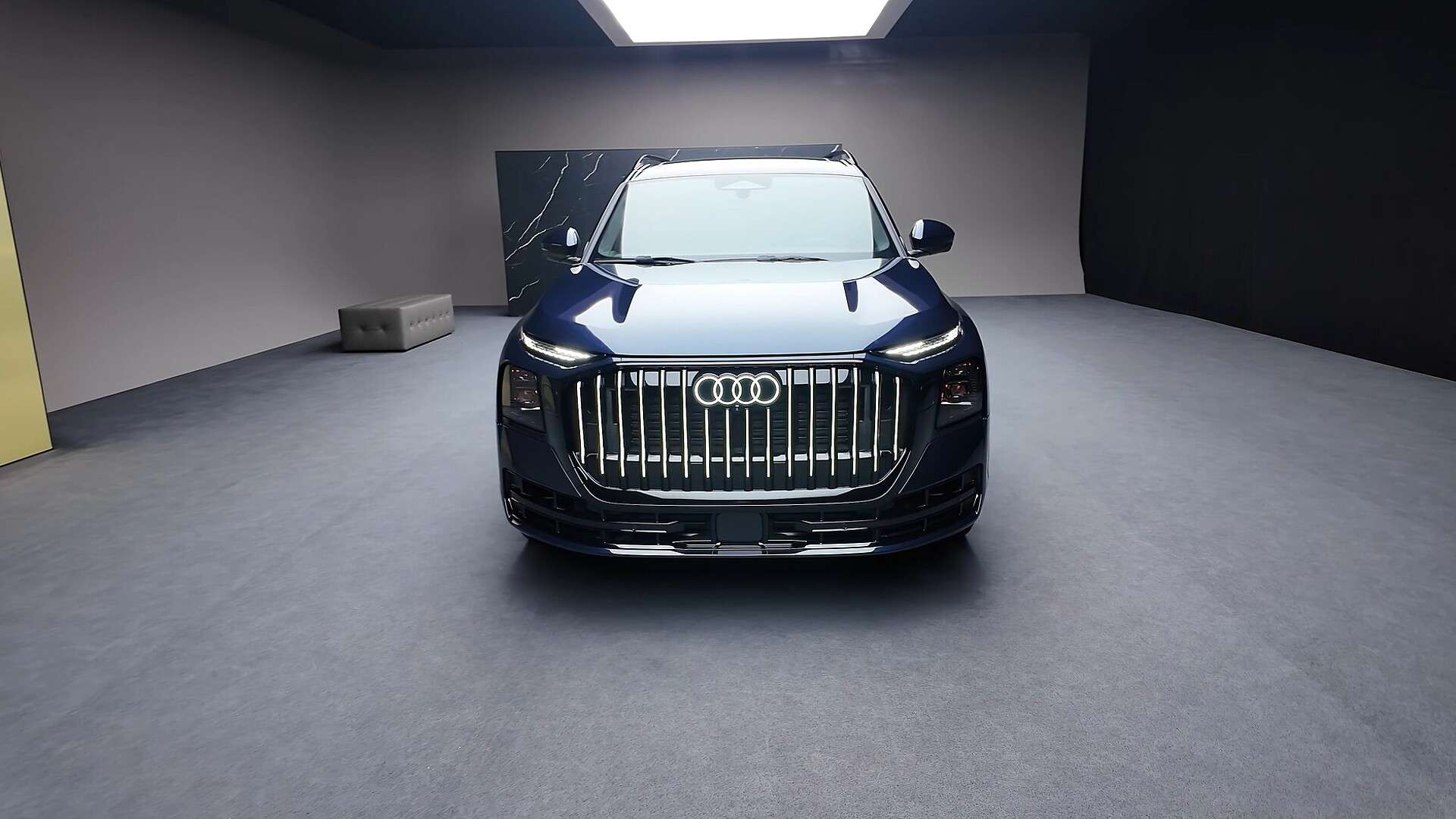
Audi said on Saturday that it intends to invest about $4 billion in a plant at the Middle Georgia Mega Site, designed to assemble up to 200,000 vehicles a year. In all of 2025, Audi of America reported selling 164,942 new vehicles. The factory is sized for a business Audi does not have yet, and the first cars from it are about five years away.
What Audi and Georgia announced
Audi’s release, dated Oct. 24, 2026, puts the job count at approximately 4,500 and says construction is scheduled to begin in 2027, with production planned for the early 2030s. The release says the plant will build premium SUVs aimed at North American buyers and will be among the brand’s largest production footprints anywhere. It does not name a model. Audi builds cars at 21 sites in twelve countries, and until this announcement none of them was in the United States.
The Georgia governor’s office gives a slightly different calendar: grading in 2027, construction in 2028, and full production in 2031 at 200,000 units a year. I read the two as the same schedule, with Audi counting site work as construction, but neither release says so. Gov. Brian Kemp said the state bought the Peach County site and made further improvements to it for exactly this kind of project. The release names no incentive package and gives no dollar figure for Georgia’s contribution, though it does commit the state’s Quick Start program to build a training curriculum and a dedicated training facility.
A plant larger than the U.S. business it serves
Two hundred thousand is 21 percent more than the 164,942 vehicles Audi sold in the United States last year. It is also about 36 percent more than the 146,784 vehicles Audi’s San José Chiapa plant in Mexico built in 2025, a plant whose profile lists the Q5 as its product. Those are the Auto Wire’s ratios, and capacity is not output: plants rarely run at their nameplate figure, and Georgia’s number is “up to.” Even allowing for nameplate optimism, somebody at Audi is betting on a bigger American Audi than the one that exists.
Audi’s chief executive, Gernot Döllner, said the company has “not yet realized our full potential” in the U.S. The current numbers point the other way. In the first quarter of 2026, Audi’s own quarterly report shows it delivered 35,464 vehicles in North America excluding Mexico, a 27 percent drop that the report attributes primarily to U.S. tariffs and the end of U.S. electric-car subsidies. Four quarters at that pace would come to about 141,900, and that region includes Canada, so the U.S. share is smaller still. First quarters are not a clean forecast, but the direction is plain.
What tariffs have already cost Audi
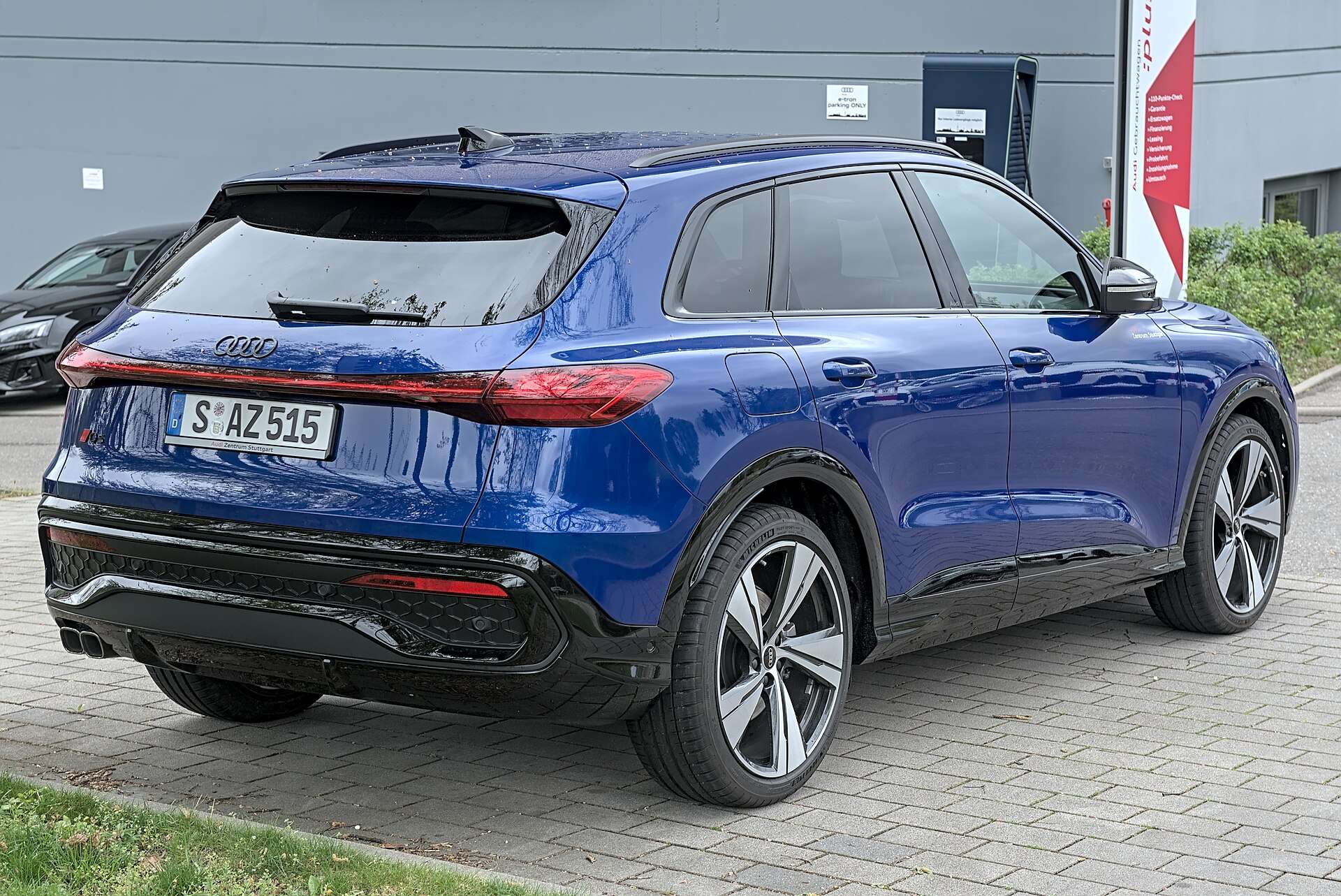
Neither Audi’s release nor Georgia’s uses the word tariff. Audi’s financial reports do. In its nine-month report for 2025, the company put its operating margin at 3.2 percent against 4.5 percent a year earlier and listed U.S. tariffs among the causes, alongside restructuring and CO₂ compliance provisions. It also said its North American deliveries, just under 156,000 for the period and down 5 percent, fell mainly because of the U.S. tariff situation.
The duty on a German- or Slovak-built Audi arriving at a U.S. port is now set by a Federal Register notice published Sept. 25, 2025. For European Union goods entered on or after Aug. 1, 2025, it removes the Section 232 auto tariff where the ordinary duty is already 15 percent or more, and trims it elsewhere so the combined rate lands at 15 percent. That is a negotiated ceiling written into an administrative notice, and it covers EU-origin goods only. Cars from Mexico, where the Q5 is built, fall under different rules. Rates keep moving elsewhere, too: the 50 percent tariff on Canadian cars is set to start January 1, as we covered in our look at what it means for car buyers.
A plant converts that kind of variable cost into a fixed one. Audi can’t move a Georgia factory when the rate changes, but it also stops paying an import duty on the vehicle itself. Parts are a separate matter, since the same notice covers auto parts, and Audi has not said where a Georgia plant’s components would come from. Audi’s release frames the plant as growth in America for America and as a way to strengthen competitiveness, and that is the closest either release comes to the subject.
The timing problem for current Audi buyers
Nothing here touches the window sticker on a car sold this year. The first-quarter report says the Q9, Audi’s first full-size flagship SUV, launches this summer for North American customers, and that a new Q7 is among the 2026 introductions. Those are imported products that carry whatever tariff burden applies today. Georgia’s first full-production year is 2031, so Audis sold between now and then will be priced under whatever import rules apply in each of those years.
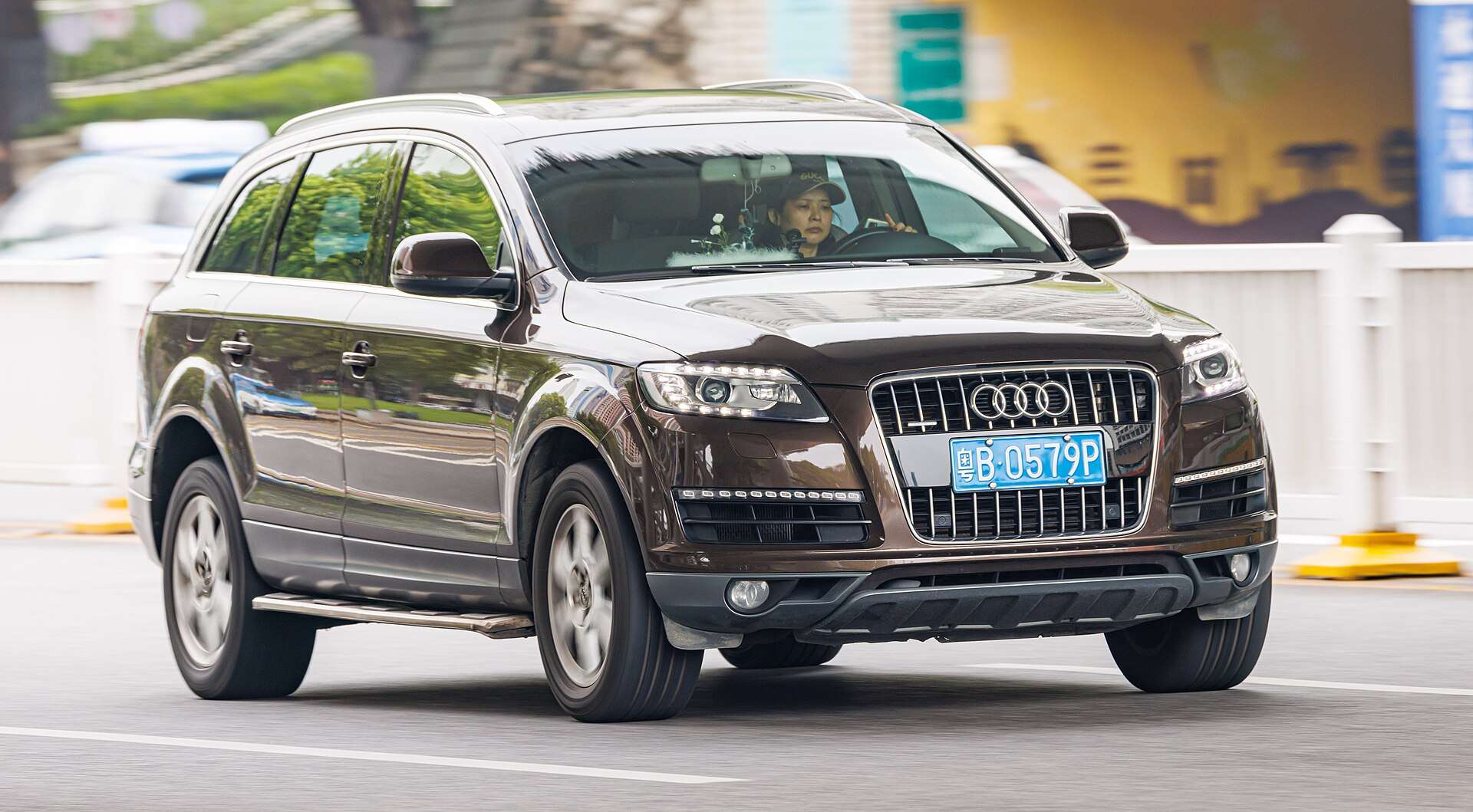
Dealers get the awkward stretch: five years of selling imports while the plant that might replace some of them is still a plan. Audi of America sells through more than 300 independent U.S. dealers, and the company says it looks forward to announcing additional U.S. investments. A second announcement, whether a model name, a supplier park near Perry, or a change to what Mexico builds, would show whether Georgia adds volume or replaces it. Audi has said it will build premium SUVs there. It has not said which ones, and it has not said what happens to the imports they replace.
What to watch next
The next useful document is the first Georgia model announcement, because a Q5-class volume model and a Q9-class flagship are different businesses, and the choice will show which one the plant is built for. Local supplier announcements around Perry will show how much of the content is actually American. Georgia is also already busy with other automakers, including a Hyundai hybrid-transmission plant in West Point that we covered earlier this month.
If the 15 percent cap on EU-built cars survives to 2031, is a $4 billion plant a growth bet or an expensive hedge?