
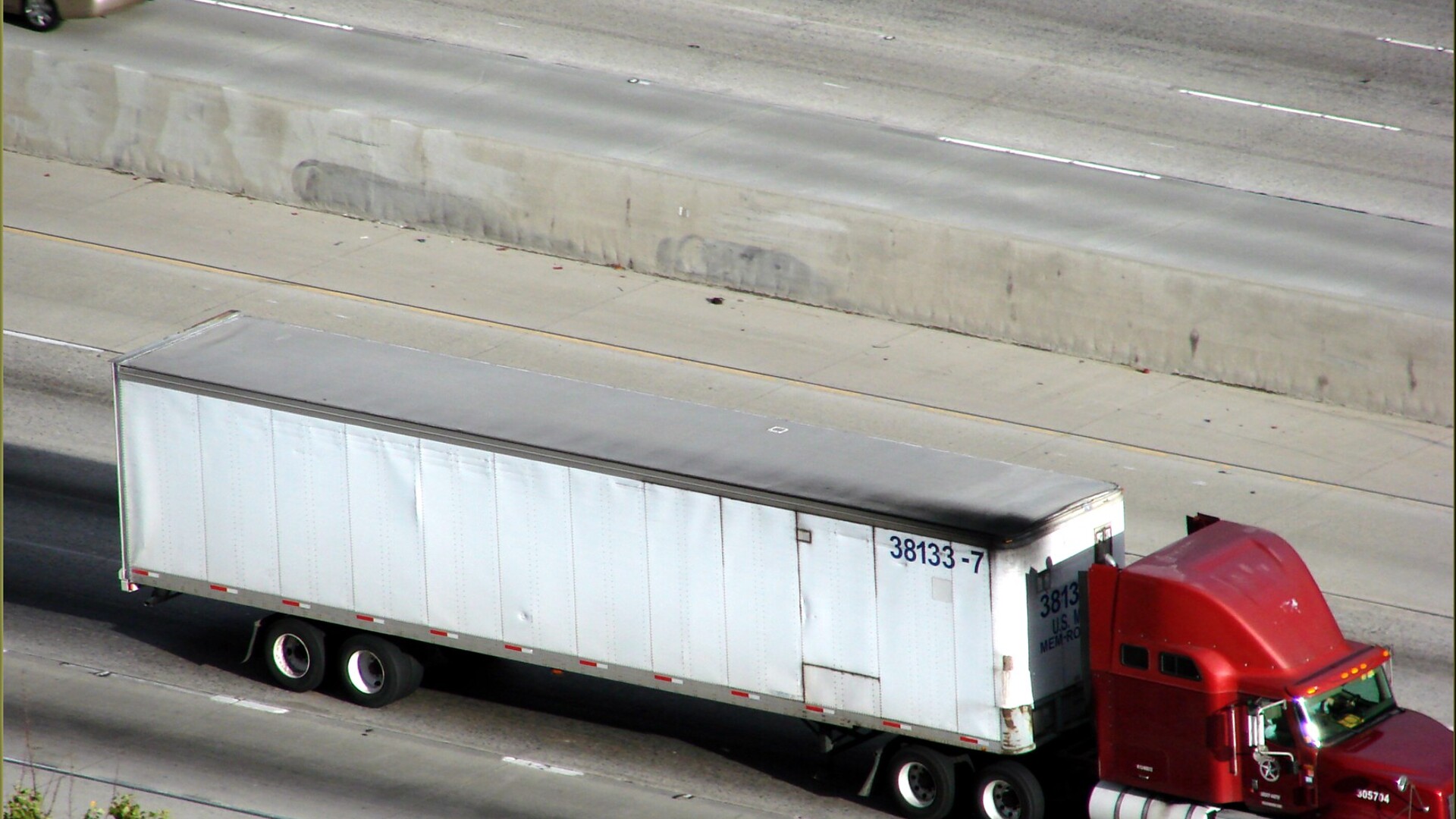
The Los Angeles Times reported on Oct. 18 that California’s truck voucher program paid about $50 million toward Nikola vehicles after the company’s founder, Trevor Milton, had been indicted for fraud, and that Nikola’s trucks drew a larger average subsidy than any other maker’s in the program. Nikola filed for Chapter 11 in February 2025. A voucher follows the truck. As far as I can tell from the documents I reviewed, nothing in the program’s published checks asks whether the company that built it will still exist next year.
What the Times found in the voucher records
The program is formally the Clean Truck and Bus Voucher Incentive Project, or HVIP. It is run by the California Air Resources Board with the nonprofit CALSTART, and combined incentives on a vehicle cannot exceed 90% of its base price. The Times analyzed voucher records current through April 30 and, in its main investigation, described a program with weak record-keeping. In a follow-up, the paper summarized several findings: one in four participating automakers has stopped production or left the zero-emission market; mileage records for roughly 2,300 vehicles showed nearly half driven less than CARB’s benchmarks; at least 5,340 vehicles, or 45%, burn fossil fuels because they are hybrids or natural gas models; and at least five participating manufacturers had been investigated for fraud, Nikola among them. The follow-up also reported a state investigation of a manufacturer that, according to a ruling in a civil case, received nearly $1 million for vehicles that did not exist.
CARB answered on Oct. 19. The agency said the story mischaracterized data, that the cases it described reflect CARB catching wrongdoing, and that most manufacturers, dealers and voucher recipients follow the rules. It also said HVIP-funded vehicles have driven 340 million miles. The vehicle counts do not line up. The Times cited state officials for nearly 12,000 vehicles, CARB’s statement says more than 16,000, and CARB’s outcomes page reported 10,800 implemented vehicles and about $900 million as of Sept. 1, 2025. CARB’s statement does not explain the difference.
Milton’s conviction, Nikola’s bankruptcy and the trucks in between
Federal prosecutors in Manhattan announced Milton’s indictment on July 29, 2021. The charges covered what he told retail investors between about November 2019 and September 2020, including that the Nikola One prototype worked and that Nikola was producing hydrogen. A jury convicted him, and he was sentenced on Dec. 18, 2023 to four years in prison. President Trump pardoned him in March 2025, as The Auto Wire reported.
Nikola’s own collapse came first. On Feb. 19, 2025, the company filed for Chapter 11 in Delaware, planned a sale of its assets and a wind-down, and said it would keep limited service and hydrogen fueling going only through the end of March 2025. Lucid later bought some of the assets at auction. HVIP’s listing for the Nikola Tre battery-electric tractor covers model years 2023 and 2024, offers $150,000 for drayage use, and says the truck was removed from the eligible-vehicle catalog on June 3, 2025. Those trucks arrived years after the conduct in the indictment, so the bankruptcy, not the case against Milton, is what put their support at risk.
What a voucher verifies
CARB describes its checks as matching a vehicle’s VIN and emissions label against photos, final invoices, delivery documents and DMV registration before any money moves. Its Tesla Semi fact sheet adds CARB certification of the vehicle, a signed purchase order, delivery, fleet eligibility and the 90% cap. Every item on those lists concerns the truck and the sale. Neither list mentions the maker’s finances, its service network or what happens to the warranty if it fails.
That matters on a service counter more than on a ledger. NHTSA’s recall report 23V-580, submitted Oct. 6, 2023, covered 209 Nikola Tre BEVs from the 2022 and 2023 model years. It said coolant could leak inside a battery pack, collect there and cause an electrical short with a risk of fire. The remedy was still being developed when Nikola filed the report, and owners were told to keep the main battery disconnect switch on and to consider parking outside. The public documents I reviewed do not say whether any of those 209 trucks were voucher-funded. They do show what a fleet is exposed to when a battery truck’s fix depends on one company’s engineers and that company later files for bankruptcy.
How many orphaned trucks CARB’s own numbers imply
CARB says 92% of funded vehicles came from companies that still operate. That leaves 8% from companies that do not. Applied to CARB’s own count of more than 16,000 vehicles, The Auto Wire’s arithmetic puts that near 1,300 trucks and buses. The Times’ finding that one in four participating automakers has quit or stopped production fits the same picture: a crowd of small makers, each with a modest number of vehicles in service. CARB says it works with fleets to line up dealers and third-party service providers for vehicles whose makers have gone out of business. For a fleet, that is a workaround for parts and diagnostics, and it replaces a manufacturer warranty with something less. Nikola was not alone in the bankruptcy court that winter; Canoo entered Chapter 7 about four weeks earlier.
The Tesla Semi uses the same rules
CARB’s April 14, 2026 fact sheet says 89 fleets submitted purchase orders for 1,095 Tesla Semis from September 2025 through March 31, 2026. The HVIP listing shows a $120,000 base voucher for the Class 8 Semi and $150,000 for drayage use. The Auto Wire’s math: 1,095 trucks at the base amount is $131.4 million, and at the drayage rate it is $164.25 million. Actual payments will come in under that ceiling, because of the 90% cap and because not every truck will be drayage, and money moves only after delivery and registration.
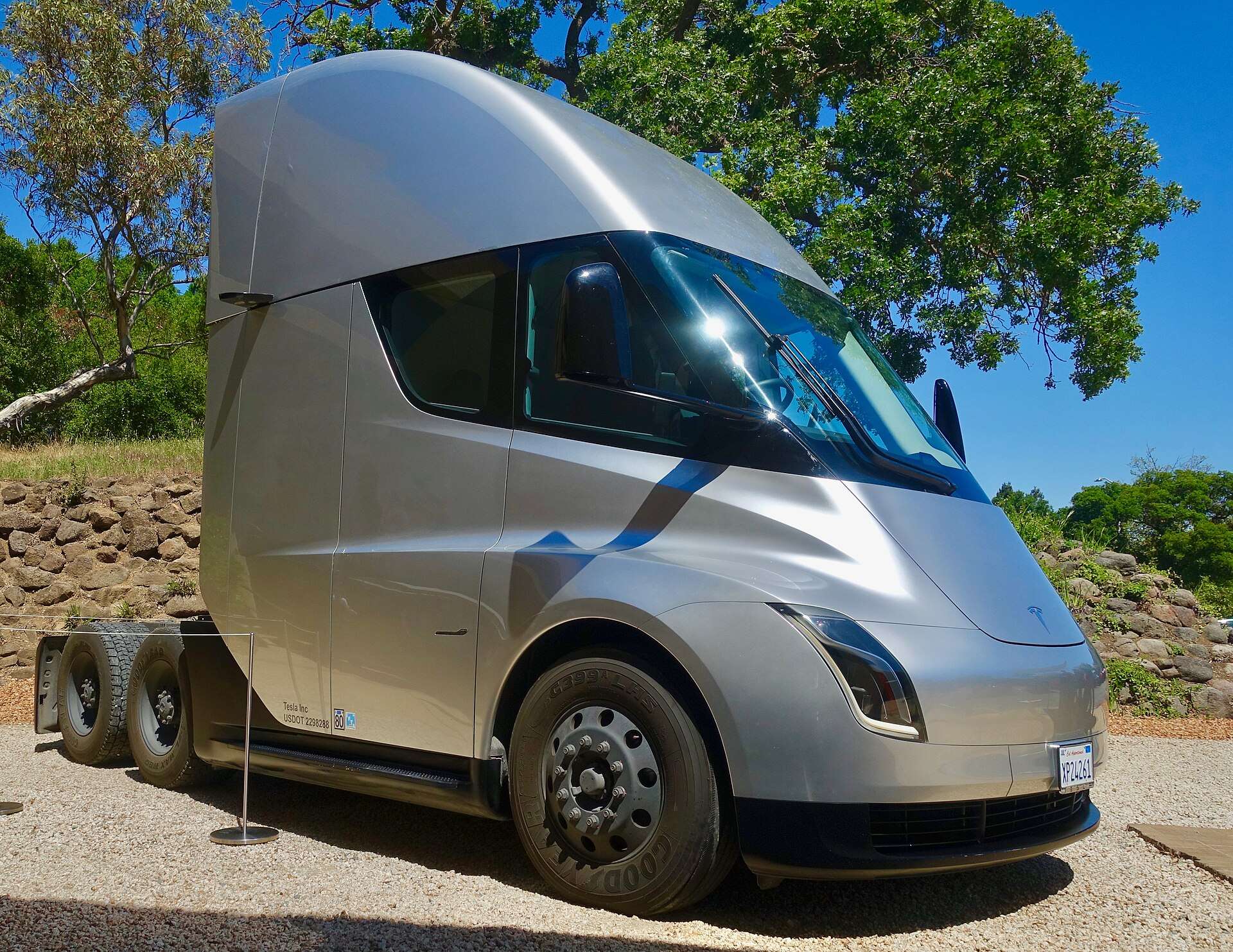
Nothing in the documents I reviewed suggests the Semi is headed where Nikola went. The rules, as CARB describes them, are the same for every maker, and a battery tractor depends on its builder for software, pack service and recall remedies for as long as it runs. The Auto Wire covered a Tesla Semi fire on I-880 today that closed the freeway with no crash involved, a reminder of how much that support matters in practice.
What lawmakers and fleet buyers should watch
According to the Times, a legislative committee took up the program at a hearing the week of Oct. 19, CARB’s Christopher Grundler called the reporting disappointing, and Sen. Henry Stern, a nonvoting CARB board member, said he was open to improvements as long as funding keeps flowing. CARB says manufacturers will soon have their vehicles tested by the agency to qualify for vouchers. That is another vehicle-level check. The specific thing to watch is whether any reform reaches the maker: a requirement for a funded warranty, parts escrow or software access if the company fails.
Before a fleet signs a purchase order for a voucher-backed truck, it should get two answers in writing: who services the truck if the maker goes under, and who holds the diagnostic software. The voucher paperwork doesn’t ask who stands behind the warranty either.
If you ran a fleet, what would you want a young truck maker to put in writing before you ordered?