
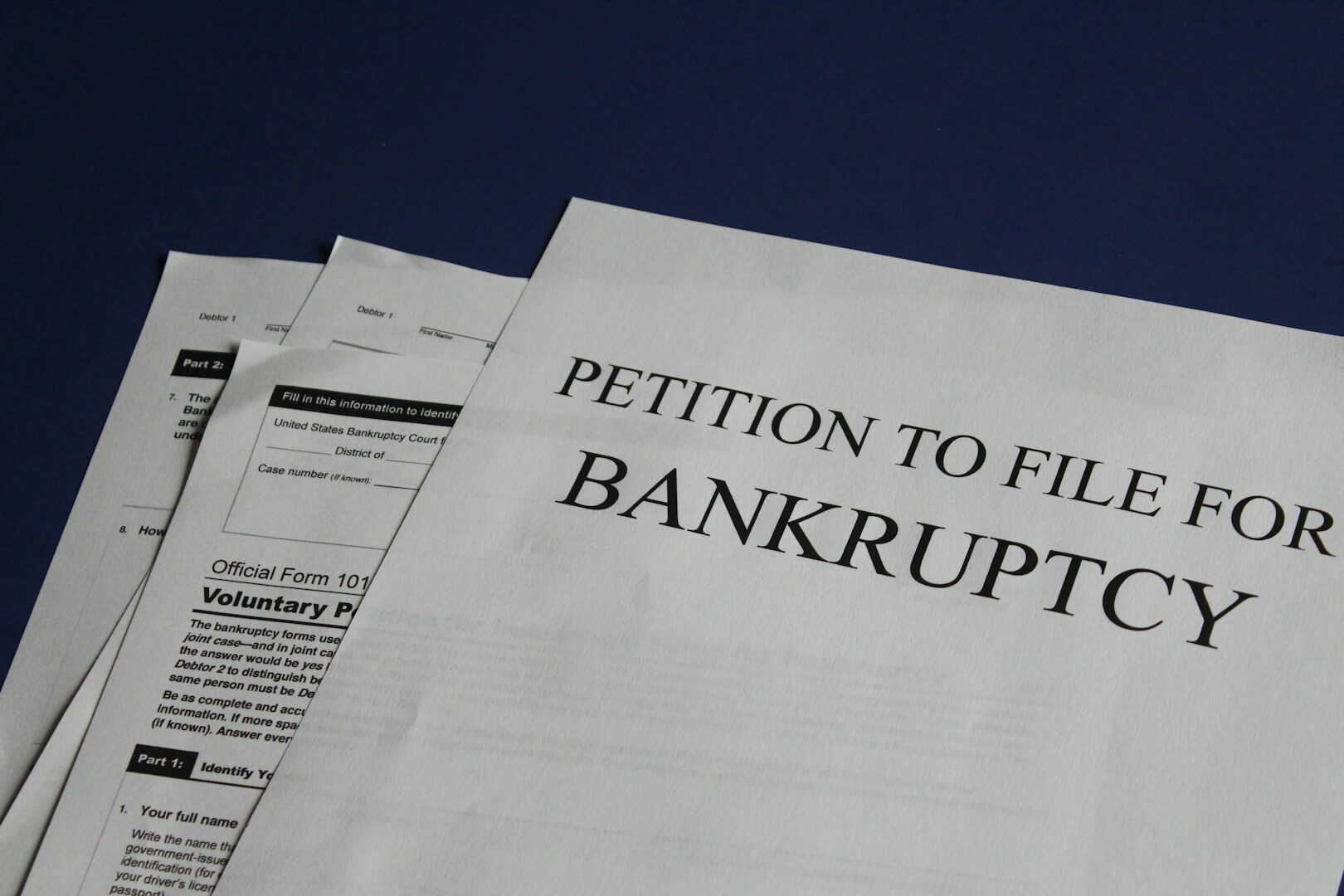
Grupo Antolin told a New York bankruptcy judge in July that its Chapter 15 case wasn’t really a bankruptcy at all, just a polite request to let a Spanish restructuring run its course without American creditors getting in the way. That argument worked well enough to get the company provisional protection at its first-day hearing. Then, on July 29, the company’s own bondholders filed papers arguing that the “restructuring” itself was rigged before a single vote was counted.
That’s the part of this story that matters, and it has almost nothing to do with dashboards.
We covered the basic mechanics of this case when it first landed in the Southern District of New York: a 75-year-old Spanish trim and lighting supplier, 36 affiliated entities, and a legal tool called Chapter 15 that doesn’t reorganize anything under American law. It just asks a U.S. judge to step aside while a foreign court handles the real fight. What’s happened since then is the part nobody was expecting to be interesting: a straightforward legal shield has turned into a genuine courtroom brawl, and the people throwing punches are the noteholders Antolin is trying to bind into a deal.
Here’s what the objecting noteholders actually filed, according to court reporting on the docket: the Chapter 15 cases “violate U.S. bankruptcy principles” and should be thrown out entirely. Failing that, they want the cases transferred out of Manhattan to the Western District of Michigan. That is not a random ask. Two of the 36 debtors in the case, Grupo Antolin North America and Antolin Michigan, sit in the actual heart of Antolin’s U.S. manufacturing footprint, closer to Grand Rapids than to Wall Street. The noteholders are essentially arguing that Antolin picked the most debtor-friendly courthouse in the country instead of the one where its real American business lives.
Venue fights like this show up constantly in big corporate bankruptcies, and there’s a reason. The Southern District of New York has the most experienced restructuring judges in the country, the deepest bench of precedent, and, not coincidentally, the law firms that represent large debtors, including Antolin’s counsel at Kirkland & Ellis, argue cases there constantly. Debtors gravitate toward it because outcomes are more predictable. Creditors who think the predictability is running against them push just as hard to get out. Wanting to move a case to Michigan sounds almost quaint next to that, but it’s a real signal that the noteholders think their odds improve the moment Antolin loses its favorite courtroom.
Venue is the headline. The classification fight underneath it is the actual story, and it’s a lot stranger than it sounds.
Antolin’s Spanish restructuring plan treats its noteholders and its bank lenders the same way on paper: as unsecured creditors, since their claims are backed only by a pledge of company shares rather than a lien on hard assets like plants or equipment. Here’s the part that got the noteholders’ lawyers moving. Despite treating both groups as unsecured, the plan doesn’t put them in the same voting class. It carves the bank lenders out into their own separate class, apart from the noteholders, even though both groups are, in the plan’s own terms, identically situated. That split isn’t a technicality. It’s the whole game.
Neither Spain’s court-sanctioned restructuring process nor the American bankruptcy code most people vaguely recognize from movies requires every creditor’s blessing to approve a plan. Both systems allow something called a cross-class cramdown: if enough classes vote yes, usually including at least one class that’s actually getting paid something meaningful, a court can force the plan onto classes that voted no. The entire fight, then, isn’t about whether Antolin’s plan is generous or stingy. It’s about how the company drew the lines on the ballot before anyone got to vote. Slice the bank lenders into their own class and let them approve the deal on favorable terms, and suddenly you have the “yes” vote you need to drag every other unsecured creditor along, whether they agreed or not.
Chapter 15 was never built to referee arguments like this. It was built to avoid them. A foreign company gets its restructuring blessed at home, brings the paperwork to a U.S. judge, and the judge recognizes it as a matter of international courtesy, without re-litigating the plan’s fairness line by line. Grupo Antolin’s provisional protection on July 22 looked exactly like that kind of formality. The noteholders’ objection turned the August 19 recognition hearing into something else entirely: a fight over whether a Spanish court’s vote-counting rules can bind the holders of dollar-denominated notes who say they never had a fair vote to begin with.
None of this changes what’s happening on Antolin’s factory floors. Plants in Alabama, Kentucky, Michigan and Missouri are still building the headliners, lighting consoles and interior trim that Ford, GM, Stellantis and Volkswagen need on their assembly lines, and nothing in the noteholders’ objection asks for that to stop. What it does is stretch out the one date automakers actually care about: the point at which Antolin’s American assets stop being provisionally protected and start being exposed again to lawsuits from creditors who feel cheated. A contested recognition hearing that drags into appeal is a very different timeline than a quiet formality, and every extra month of uncertainty is a month a purchasing manager at a Tier 1 automaker has to spend building a backup plan they’d rather not need.
Zoom out and this case looks less like an isolated dispute and more like a preview. Plenty of Tier 1 suppliers loaded up on cheap debt during the last decade, and a growing number of them are European companies with the option to restructure at home under a scheme of arrangement or a Spanish-style homologation, then use Chapter 15 to keep their American factories out of reach of angry lenders while that happens. It’s a clever move, and until recently it worked quietly. Antolin’s noteholders just demonstrated that American bondholders are done treating that combination as a formality. Expect the next indebted supplier that tries this playbook to face the same kind of fight, not because Chapter 15 stopped working, but because creditors finally noticed how it works.
Whatever a judge decides on August 19, remember what this fight was actually about. It was never really a question of whether Ford gets its dashboards on time, and it was never really a question of whether Grupo Antolin survives. The factories were never the fight. The ballot was.