
Here’s a regulatory knot worth untangling, because the same statutory argument that erased every federal greenhouse gas rule on your car is now working against the government in a different courtroom.
Start with what’s already done. On February 18, EPA published a final rule at 91 FR 7686 rescinding the 2009 endangerment finding and repealing every GHG emission standard for light-, medium- and heavy-duty vehicles and engines going back to model year 2012. Not suspending. Removing. The agency’s stated conclusion is that Clean Air Act section 202(a)(1) never authorized it to write emission standards aimed at global climate concerns in the first place, and it leaned on the major questions doctrine to get there.
The practical wreckage is more interesting than the headline. EPA stripped out the averaging, banking and trading provisions, the fleet-average requirements, the test procedures and the reporting obligations tied to GHGs. In the agency’s own words, manufacturers no longer have “future or current obligations for the measurement, control, or reporting of GHG emissions for any vehicle or engine” — including for model years already built and sold. An entire compliance currency evaporated. The credit balances automakers spent a decade accumulating, and in some cases buying from competitors, now reference a program that doesn’t exist. Federal Register
Related Articles
- A Mavis Manager Allegedly Helped Steal 438 Tires From His Own Store — and Somebody Else’s Security Cameras Ratted Him Out
- Hyundai’s First Full Strike in 10 Years Isn’t About Pay. It’s About a Law That Made Walking Out Basically Free.
What survived matters just as much. EPA didn’t touch criteria pollutant standards, so your catalytic converter, your particulate filter and your evap system are all still doing exactly what they did in January. It didn’t touch CAFE testing or fuel economy labeling, which live with NHTSA under a separate statute — so the Monroney sticker on the window is unchanged. And in a late revision from the proposal, EPA kept the heavy-duty test procedures that NHTSA’s regulations cross-reference, so the truck fuel-efficiency program didn’t collapse by accident.
EPA also went out of its way to say that section 209(a) preemption still blocks states from writing their own new-vehicle emission standards, GHG or otherwise. Combine that with Congress nullifying California’s Advanced Clean Cars II waiver by joint resolution in Public Law 119-16, signed June 12, 2025, and the position is straightforward: no federal GHG rules for cars, and no state ones either.
The sequel is stuck
The power sector version of this argument has been sitting in a holding pattern. EPA proposed repealing all GHG standards for fossil-fuel-fired power plants in June 2025, using a parallel theory — that those plants don’t contribute significantly to dangerous air pollution under section 111. EPA’s own Unified Agenda entry for the rule listed a final action in July 2026. It’s late August. Nothing has published.
That’s an odd stall for an agency that finalized the far more consequential vehicle rescission in roughly seven months from proposal to publication.
October 5
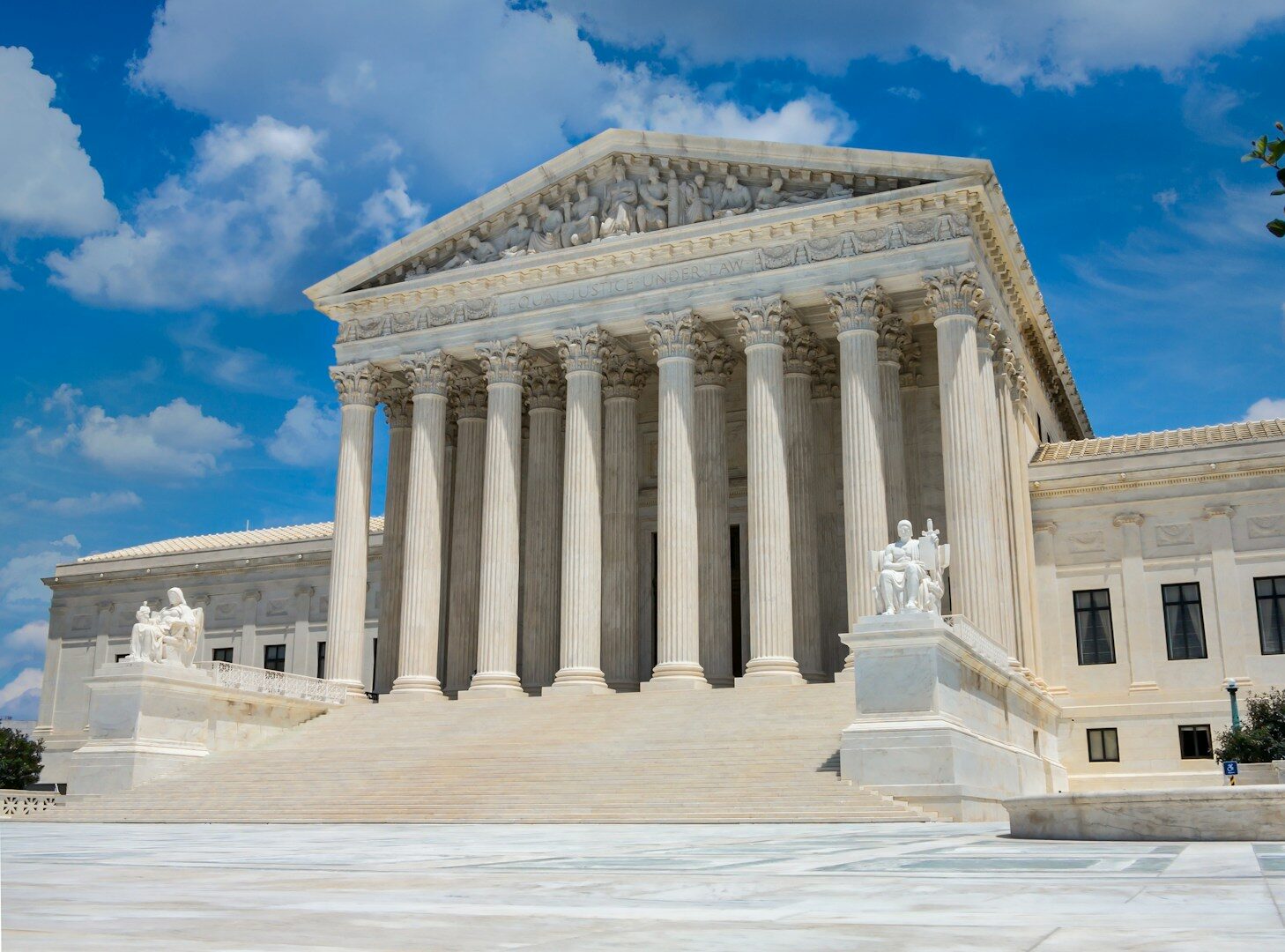
Here’s the collision. The Supreme Court opens its term with Suncor Energy (U.S.A.) Inc. v. County Commissioners of Boulder County, No. 25-170. The question presented is whether federal law precludes state-law claims seeking relief for injuries allegedly caused by interstate and international greenhouse gas emissions. When the Court granted certiorari on February 23, 2026, it added a second question on its own: whether it even has jurisdiction to hear the case.
Boulder sued Exxon and Suncor in Colorado state court in 2018 on nuisance, trespass, unjust enrichment and civil conspiracy theories. The Colorado Supreme Court let the claims proceed. The United States, siding with the energy companies, filed an amicus brief arguing that the Clean Air Act reserves to EPA and source states the authority to decide how much pollution is acceptable — and that a Colorado jury deciding what counts as “unreasonable” emissions would blow through that scheme. The brief also notes the Second Circuit’s characterization of EPA as the primary regulator of domestic greenhouse gas emissions. Worth noting for anyone reading the filing: the Solicitor General is recused, so Deputy SG Sarah Harris signed as counsel of record.
Now hold both documents up at once. In one, the government tells the Supreme Court that Congress built a comprehensive federal scheme for greenhouse gases and EPA sits at the center of it, which is why Boulder can’t legislate through tort law. In the other, EPA tells the country it has no authority over greenhouse gases at all and is about to say the same thing about power plants.
Preemption doctrine generally doesn’t require an agency to actually be regulating — a statutory scheme can occupy the field whether or not anyone’s filling it. EPA anticipated this and wrote directly into the vehicle rescission that section 209(a) and EPCA preemption keep operating regardless of whether the agency prescribes GHG standards. That’s a defensible legal position. It’s also a harder one to argue at a podium three weeks after publishing a rule announcing you’ve abandoned the field entirely.
Dropping the power plant repeal before October 5 would hand opposing counsel a fresh Federal Register citation. Sitting on it until after argument costs the administration nothing.
What this actually means if you own or buy cars
Your fuel economy number is now a NHTSA product, full stop. The dual-track system where EPA GHG standards and CAFE ran in parallel is gone on the EPA side. If you follow this stuff, watch CAFE rulemaking, not EPA.
Compliance-driven engineering just lost its forcing function. A lot of what showed up on ordinary cars over the past fifteen years — cylinder deactivation on V8s, eight- nine- and ten-speed automatics, aggressive stop-start, active grille shutters, electric power steering — was chasing fleet-average targets. Nothing here bans those technologies, and CAFE still applies, but one of the two pressures pushing them is off. Expect product planners to re-litigate anything that added cost for a compliance benefit that no longer exists.
Older vehicles are unaffected either way. The rescission removes manufacturer obligations, not your registration or inspection status. State smog programs test criteria pollutants, and those standards are untouched.
Related Articles
- Used Cars Just Hit a Record $32,461 — and Your ‘Buy a Toyota, It Holds Value’ Advice Just Backfired
- Tricolor Raised $1.9 Billion on Subprime Car Loans. The SEC Says Its Execs Pledged the Same Ones Twice
Don’t confuse this with tailpipe emissions law generally. Anyone reading “EPA repealed emissions standards” as permission to gut a catalytic converter is going to have an expensive conversation. Criteria pollutant and air toxics rules are still fully enforceable, and tampering penalties never went anywhere.
The insurance and resale angle is quieter but real. Regulatory whiplash tends to compress the used market for vehicles built specifically to satisfy rules that no longer exist. Low-volume compliance models with thin dealer networks and specialized parts are the ones to watch, not mainstream hybrids.
One last number, straight from EPA’s own analysis: the agency estimates that eliminating every gram of greenhouse gas from every new and existing vehicle in the United States would change projected global mean surface temperature by roughly 0.013 degrees Celsius by 2050 and 0.037 degrees by 2100. EPA used that figure as evidence the standards were futile. Boulder’s lawyers will likely use the same reasoning to argue that if federal vehicle regulation was that inconsequential, it’s hard to see how state tort claims disrupt it.
A decision is expected by mid-2027. The power plant rule will publish whenever it publishes.