
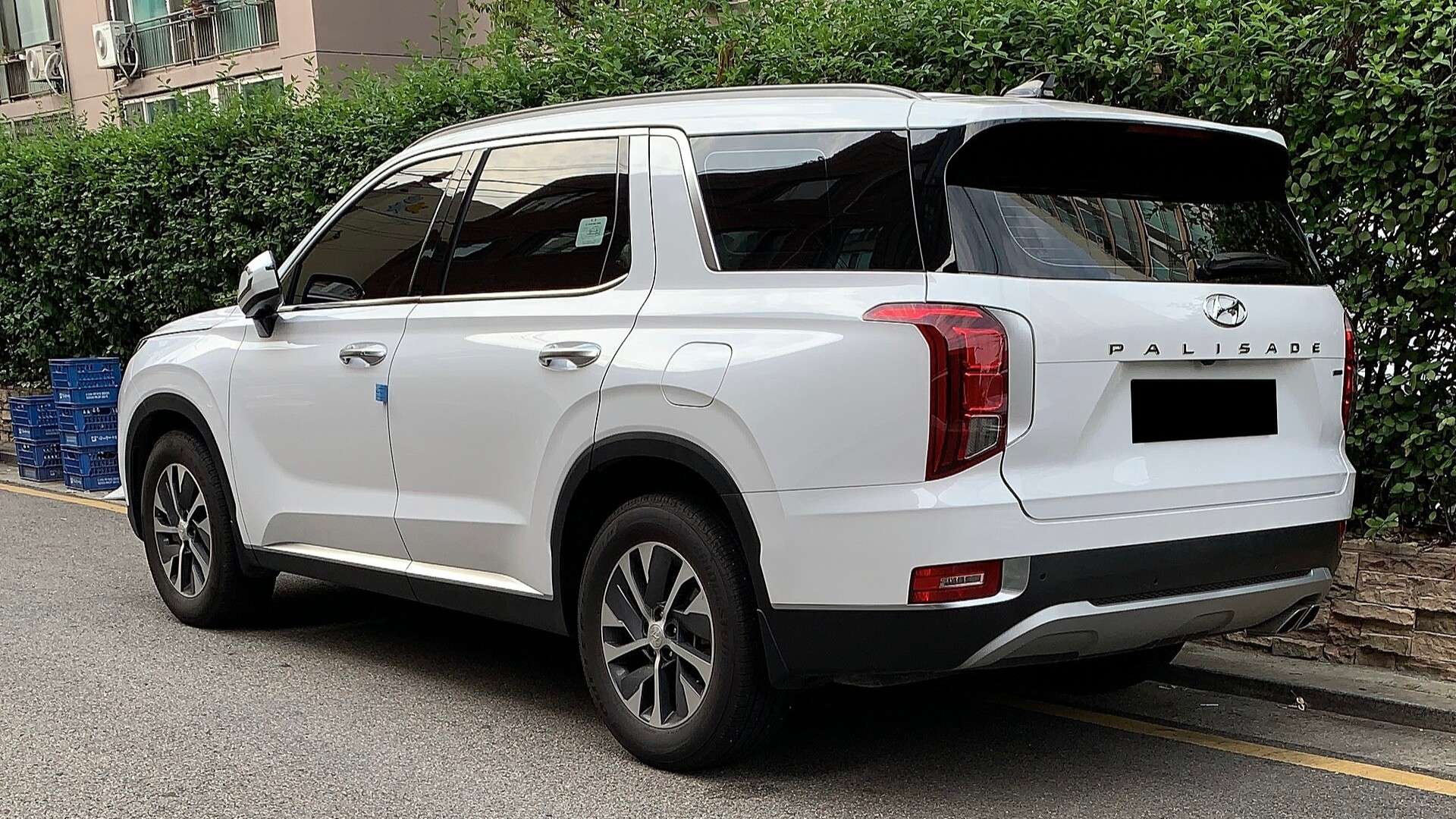
In August, Hyundai dealers across the U.S. sold about 25,000 hybrids. Ford Motor Co., with every Ford and Lincoln store in the country, sold 15,040. That monthly gap of roughly 10,000 hybrids goes a long way toward explaining why Hyundai Motor Group is now forecast to outsell Ford in the third quarter and take Ford’s No. 3 spot in U.S. sales, behind General Motors and Toyota.
Cox Automotive’s Sept. 24 forecast puts Hyundai Motor Group, which covers Hyundai, Kia and Genesis, at 511,421 sales for July through September, up 6.5% from a year earlier. Ford, which includes Lincoln, is projected at 504,172, down 7.1%. That leaves Hyundai ahead by 7,249 vehicles. In the same quarter last year, Cox’s own table had Ford ahead by 62,809.
My read of the filings: Ford gave up part of that lead on purpose by cutting models and rental volume. It lost the rest in the hybrid aisle, and that part will be much harder to win back, because Hyundai has hybrids across the segments where most Americans shop and Ford mostly has them in pickups.
A 7,249-vehicle forecast, and how much it could move
Cox’s number is a forecast, not a result. The real counts arrive in early October. Hyundai, Kia and Genesis report monthly, and Ford posts monthly and quarterly totals on its investor site.
The margin is thin enough that counting methods could matter. Cox’s table puts Ford’s third quarter of 2025 at 542,983 vehicles, while Ford’s own release for that quarter reported 545,522. That’s a 2,539-vehicle difference between two credible counts of the same sales. Even so, Ford would need an unusually strong September to close a 7,249-unit gap. According to Ford’s August sales release, the company’s sales through eight months were 1,347,147, down 9.8% from 1,492,905 a year earlier. Its August total fell 10.3%.
Ford still leads for the full year so far. Cox gives Ford 12.5% of U.S. sales year to date and Hyundai Motor Group 11.9%. What changes this quarter is the direction, and the direction has been one-sided long enough to push Detroit’s combined market share toward a record low.
Hyundai built its hybrid system into the transmission
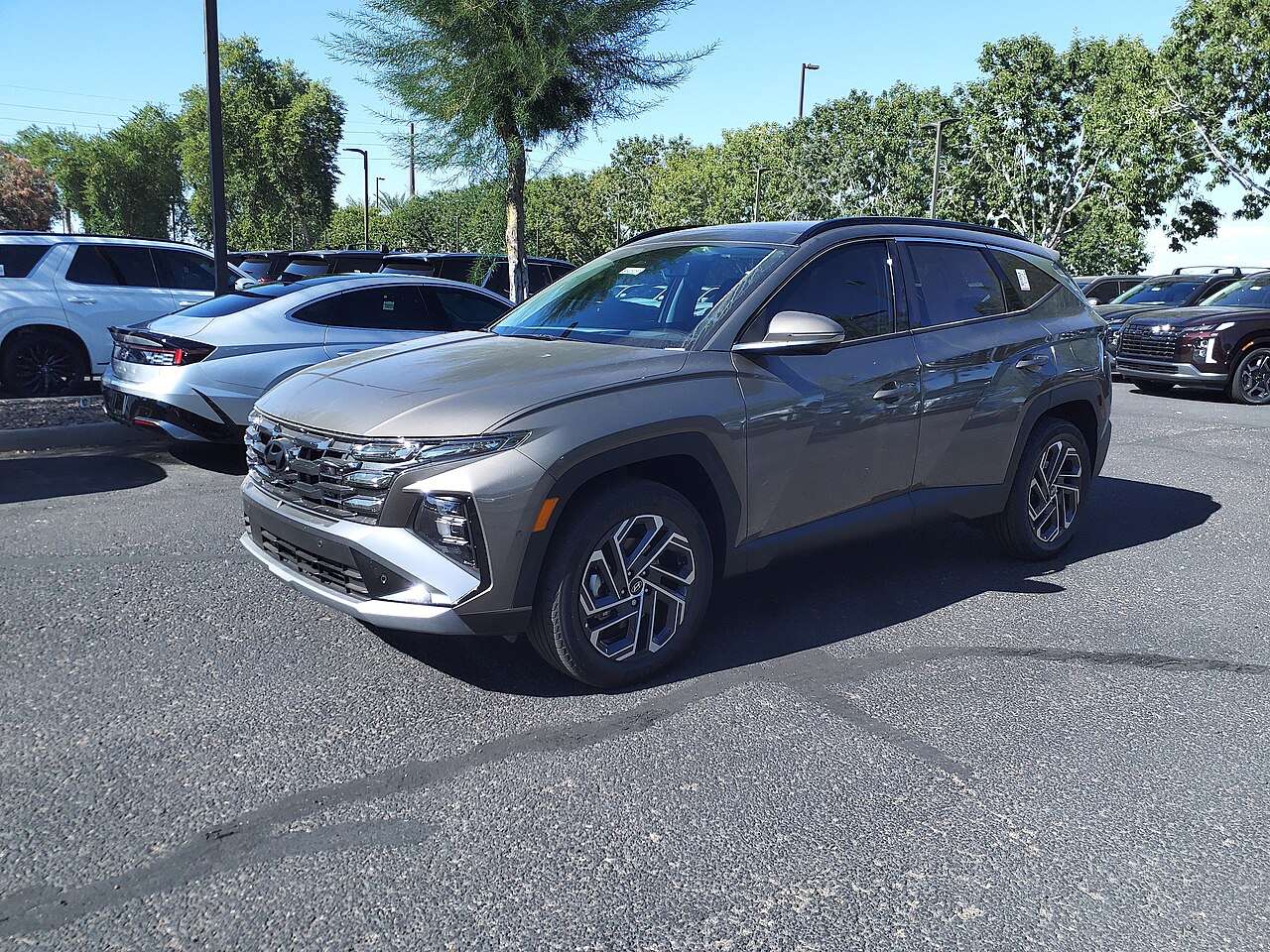
Hyundai’s August sales release shows 86,977 total sales, down 2%, but hybrid sales rose 33% to an August record and made up 29% of the brand’s volume. That works out to about 25,000 hybrids; the estimate is mine, since Hyundai gave a percentage rather than a unit count. “Hybrid demand remained strong, helping electrified vehicles reach 34% of total sales and hybrids achieve a record share,” said Randy Parker, president and CEO of Hyundai Motor North America.
The engineering behind that number explains how Hyundai got hybrids into so many models so quickly. Hyundai Motor Group’s current system, which it calls TMED-II, places two electric motors inside the transmission. One, called P1, starts the engine, generates electricity and helps with acceleration. The other, P2, drives the car and recovers energy when it brakes. Hyundai says the setup works with engines ranging from the low-100 PS range to the mid-300 PS region. Since the hybrid hardware sits in the gearbox and doesn’t need its own dedicated platform, the same basic design can go in a compact sedan or a three-row SUV. For a company trying to add hybrids across a whole lineup, that’s the expensive engineering problem already solved.
The Palisade 2.5-liter turbo hybrid was the first model with TMED-II. Hyundai rates it at 334 PS, about 329 horsepower, and says it gets 45% better fuel efficiency than a comparable gas powertrain, by Hyundai’s own figures. Kia, Hyundai’s sister brand, is growing on the same kind of vehicles. Its August release reported an all-time monthly record of 83,793 sales, with the Sportage Hybrid up 40% and the Sorento Hybrid up 22%.
Cox’s presentation shows the same pattern across the whole market. Hybrids reached a record 16.3% of U.S. sales in the second quarter. Compared with the second quarter of 2025, Kia added about 36,000 hybrid sales and Hyundai about 30,000. Toyota, which has built its reputation on hybrids, added about 32,000. Together, the two Korean brands added more than twice as many hybrids as Toyota did. Honda, another hybrid-heavy brand, is forecast to rise from 358,848 to 402,580 sales this quarter, and its Ohio hybrid plant is already short of room.
Ford’s hybrids are mostly pickups, and the Escape is ending
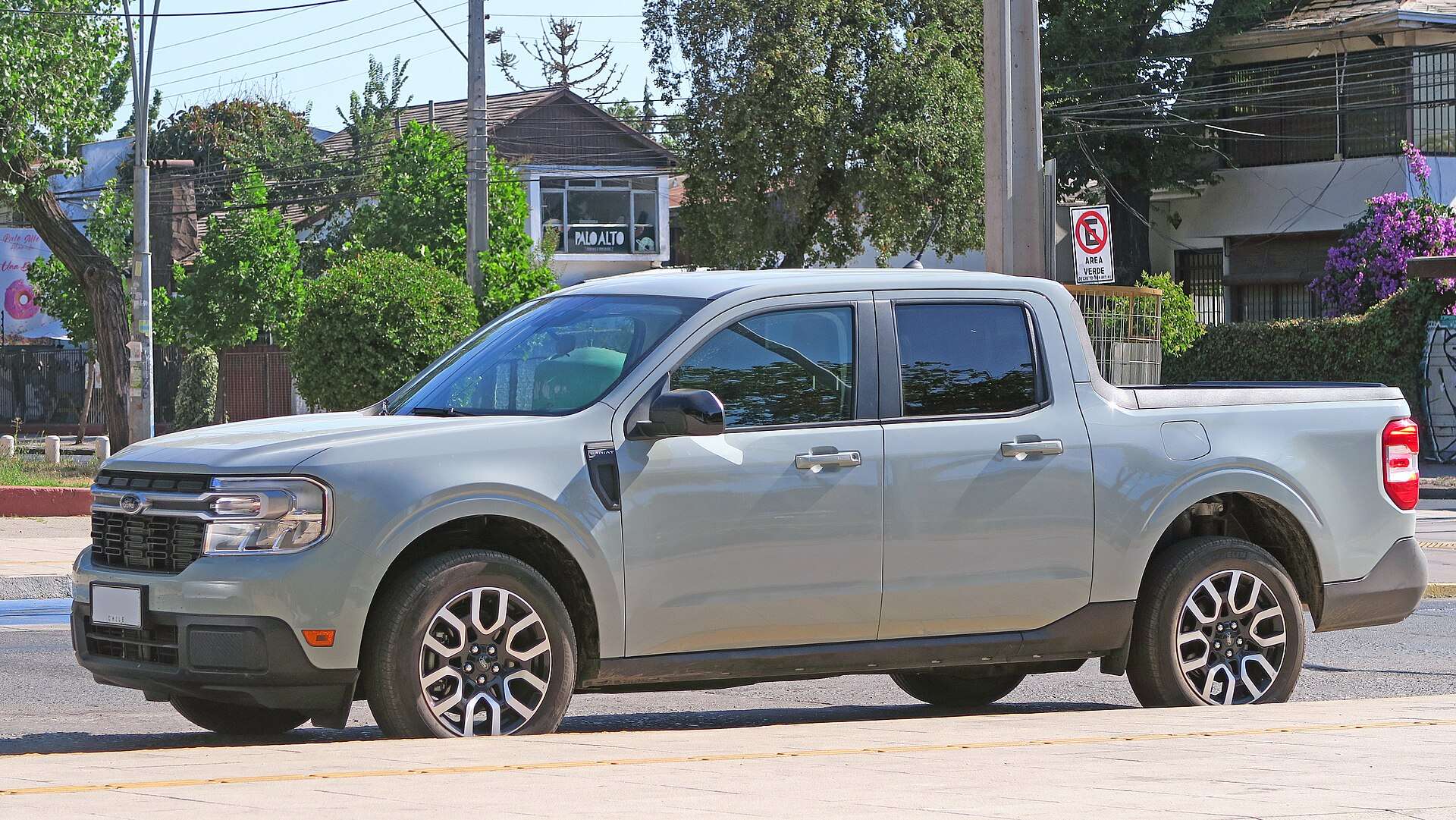
Ford is no newcomer to hybrids. It sold a record 228,072 of them in 2025, up 21.7%, according to its full-year release. The Maverick Hybrid set a second-quarter record this year with 29,457 sales. The trouble is where Ford’s hybrids sit. Its recent sales releases highlight hybrid results for the Maverick, the F-150 and the Lincoln Nautilus: two pickups and a luxury SUV.
The compact crossover that used to carry Ford’s hybrid volume is on its way out. Ford is phasing out the Escape and the Lincoln Corsair to free up its Louisville Assembly Plant, which is being retooled for a midsize electric pickup due next year. In August, Ford sold 1,446 Escapes, compared with 12,290 a year earlier, and 266 Corsairs, compared with 2,526. Over the same period, Ford’s hybrid sales fell 19.9%, and its electrified sales for the year are down 32.2%. Cox expects compact SUVs and crossovers to be tied for the largest segment in September, at 230,000 sales. Once the leftover Escapes are sold, a shopper who walks into a Ford store looking for a small hybrid crossover will have nothing to buy.
Based on rounded figures from both companies, Hyundai’s August 2025 hybrid sales work out to roughly 19,000, close to Ford’s 18,773 that month. In the year since, Hyundai’s hybrid sales went up by about a third while Ford’s went down by a fifth.
Ford is choosing profit over fleet volume
Some of the decline is intentional. Ford’s second-quarter sales release said total sales dropped 10% to 549,200, reflecting the model phase-outs and a 69% drop in daily rental sales. Ford estimated that without those two factors, its sales would have risen about 0.5%. “Gaining retail market share even as we are phasing out some high-volume models shows the strength of the Ford lineup,” said Andrew Frick, president of Ford Blue and Model e.
Rental sales are typically among the lowest-margin sales an automaker makes. They also come back to hurt owners: rental companies sell their cars after a year or two, and a wave of nearly new units at auction can drag down trade-in values for everyone who bought the same model at retail. Pulling back from rental fleets helps Ford’s profit and can help its owners’ resale values. Ford’s second-quarter financials reflect that strategy. Ford Blue earned $1.1 billion in EBIT, up 72%, and the company raised its full-year adjusted EBIT outlook to $10 billion to $11 billion. Ford still reported a GAAP net loss of $1.3 billion, which included a $3.6 billion special charge tied to the BlueOval SK disposition.
Sales rankings count vehicles, not profit, so Ford can drop to fourth and still have a good year. The hybrid gap is a different matter, because Ford didn’t choose it. In its Dec. 15, 2025 strategy reset, Ford said nearly every vehicle it sells will offer a hybrid or multi-energy option by the end of the decade, and that hybrids, extended-range EVs and full EVs will make up about 50% of its global volume by 2030, compared with 17% in 2025. That is a target for 2030. Hyundai’s hybrid sales are happening now.
Tariffs and a Georgia plant will decide whether Hyundai stays ahead
Hyundai’s weak spot is the border, since it still builds a large share of its U.S. vehicles abroad. At its 2025 CEO Investor Day, Hyundai Motor Company cut its operating margin target to 6% to 7%, citing the impact of newly imposed U.S. tariffs. It also set a goal of building more than 80% of the vehicles it sells in the U.S. domestically by 2030. Its Metaplant America site in Georgia is scheduled to reach 500,000 units of capacity by 2028 and build a mix of 10 hybrid and EV models.
For buyers, that plan decides whether Hyundai’s hybrids stay competitively priced. A hybrid assembled in Georgia avoids the tariff on imported vehicles that a Korean-built one pays. If Hyundai keeps selling hybrids at this pace before Georgia output ramps up, it will be absorbing that tariff cost, and that pressure usually shows up on the window sticker or in smaller incentives.
What the early-October sales reports need to show
Three numbers will settle this. First, Ford’s September hybrid total: if it falls again year over year, the hybrid gap is growing. Second, whether Hyundai Motor Group’s actual quarter beats Ford’s by more than 2,539 vehicles, the difference between Cox’s count and Ford’s own for the same quarter last year. Third, pickup supply, since Ford said in July that it expects F-Series supply to recover more fully in the second half after last year’s aluminum shortages. A strong fourth quarter for full-size trucks is Ford’s best chance to win back the No. 3 spot by year end. If it does, it will be on pickups, while Hyundai’s gains are coming from sedans, compact SUVs and three-row family haulers, the segments where most family buyers shop.
So which side are you on: is Hyundai’s hybrid-everywhere approach the smarter bet, or is Ford right to stick with trucks and profit while it waits until 2030 for its own hybrid rollout?
Top photo: File photo. Photo: Benespit / Wikimedia Commons (CC BY-SA 4.0).