

Cox Automotive’s third-quarter sales forecast, released Sept. 24, carries a number Detroit would rather nobody circle. Cox expects General Motors, Ford and Stellantis to finish the quarter with just over 36% of U.S. new-vehicle sales. That would be the lowest Detroit 3 market share on record.
On the other side of the ledger, Asian brands should take more than half of the market for a second straight quarter. The release treats it as a market share story. The table underneath also says a lot about volume, product lineups and what shoppers should expect this fall.
Detroit 3 market share, unpacked
Cox’s forecast table puts the Detroit 3 at 1,493,208 sales in the third quarter out of 4,116,206 total. That works out to 36.3%. A year ago, the same three companies sold 1,572,867 vehicles out of 4,144,320, or about 38.0%.
A 1.7-point drop in Detroit 3 market share sounds small, but in unit terms it’s roughly 79,700 fewer vehicles in a single quarter. Every point of share in a market Cox now expects to reach 16.1 million sales this year is worth about 161,000 vehicles annually.
The overall market barely moved. Cox expects total third-quarter sales to slip only about 28,000 units from last year. Yet the Asian brands in Cox’s table should add about 104,000 sales. That group includes Toyota, Hyundai Motor Group, Honda, Nissan-Mitsubishi, Subaru and Mazda. By our math, their combined share climbs from 47.8% to 50.7%. The market isn’t shrinking. Customers are changing lanes.
Two things the release buries
Hyundai’s group is forecast to outsell Ford. Cox projects 511,421 third-quarter sales for Hyundai Motor Group against 504,172 for Ford. Hyundai is up 6.5% year over year; Ford is down 7.1%. Ford still leads for the year to date. Still, a quarter with the Korean group ahead of the Blue Oval would have been hard to picture a decade ago.
Honda is the quarter’s standout. Honda’s forecast of 402,580 sales is up 12.2% from a year ago, the biggest percentage gain among the major automakers in the table. Cox has GM down 5.2% and Stellantis down 1.3%.
Why it’s happening: the showroom mix
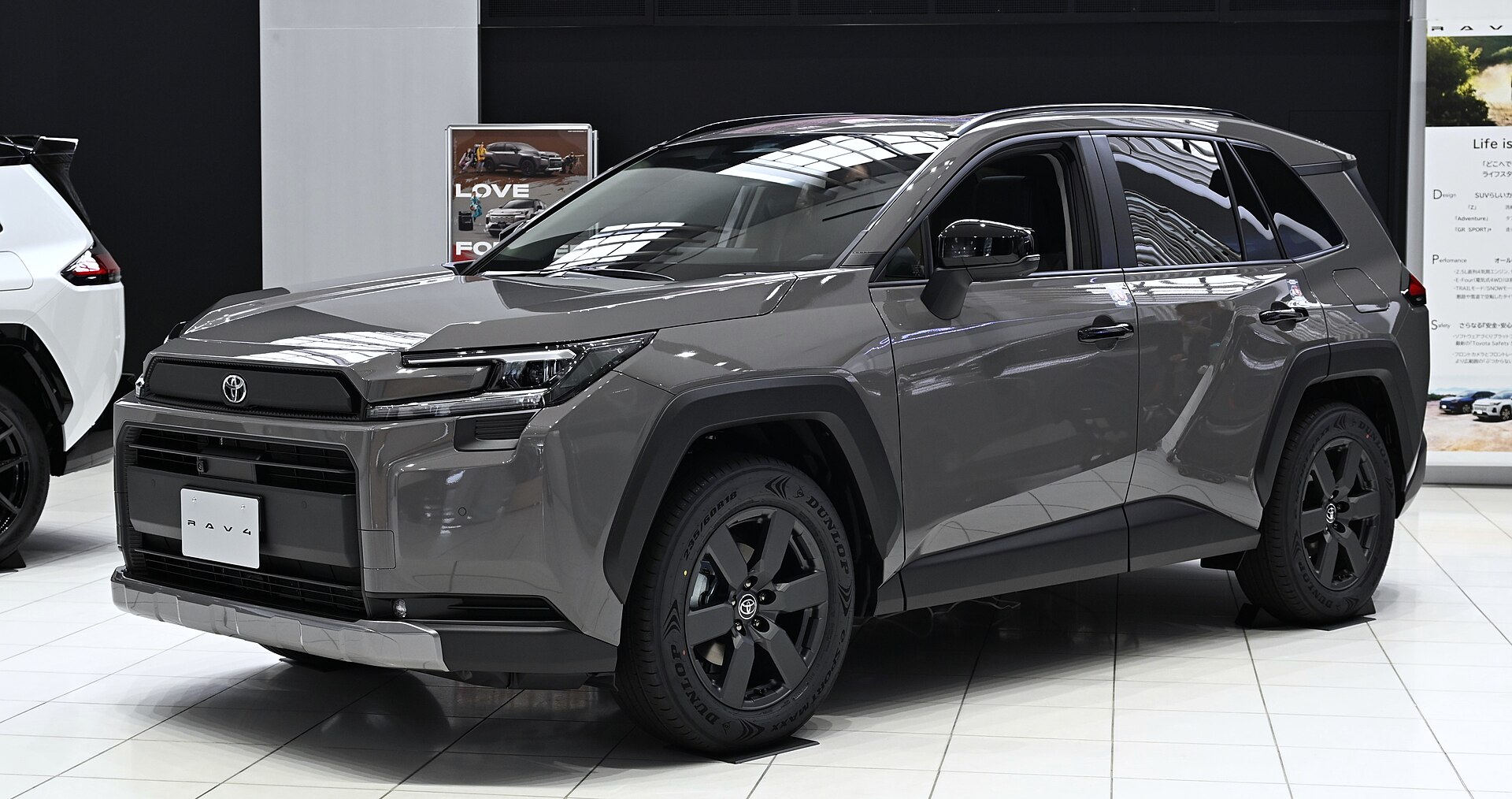
Cox’s explanation: shoppers are “migrating toward hybrid vehicles and passenger cars,” two segments where Asian automakers hold big advantages. The September segment numbers back that up. Cox expects compact car sales up 18.7%, midsize cars up 18.8%, and subcompact SUVs up 33.6% compared with last September.
That’s a problem for Detroit because it spent the last decade leaving those segments. Ford’s only car in the U.S. is the Mustang, and Chevrolet ended Malibu production in late 2024. When a buyer walks in wanting a $28,000 sedan or a fuel-sipping hybrid crossover, the Detroit 3 often don’t have much to offer.
Prices and the lost EV credit push buyers the same way
Price is doing some of the steering, too. Kelley Blue Book’s August report put the average new-vehicle transaction price at $50,089, up 1.9% from a year ago. The average compact car sold for $27,997; the average full-size pickup, the Detroit 3’s core business, went for $67,446. “Many American households are under significant financial pressure, which is steering more shoppers toward lower price points,” Cox Automotive executive analyst Erin Keating said in that report. For a family watching its monthly payment, that $39,000 gap beats brand loyalty. For more on the borrowing side, see our look at why budget buyers and long loans feel $50K prices the most.
The EV side pulls in the same direction. Cox says leasing is still under pressure after the federal EV tax credit went away, and Cox expects Tesla’s quarterly sales to fall 31% year over year. With the EV incentive gone, a hybrid is the obvious landing spot for shoppers who wanted better mileage without paying the EV premium.
What “Asian brand” doesn’t mean
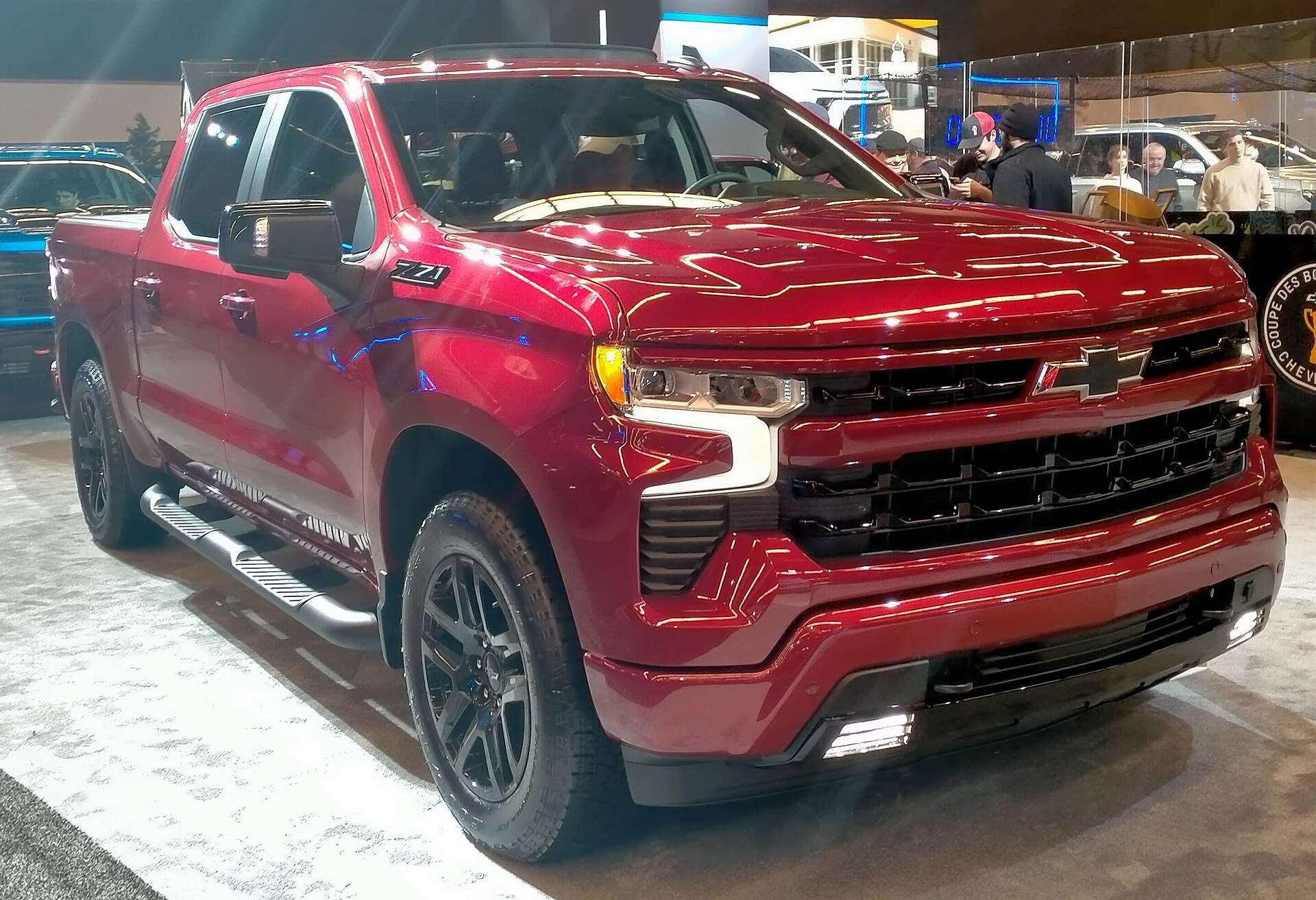
One caution before this becomes a trade-war talking point. “Asian brands” describes where a company is headquartered, not where the vehicle was built. Toyota, Honda, Hyundai, Subaru and others build many of the vehicles they sell here in U.S. plants. Meanwhile, Stellantis, one of Cox’s Detroit 3, is headquartered in the Netherlands. The share shift says more about product lineups than about imports.
And these are forecasts. Automakers report actual third-quarter results in early October. The final figure could land a few tenths higher or lower. Cox’s point about direction, though, has held up quarter after quarter.
What the Detroit 3 market share slide means for buyers
If you’re shopping a Detroit 3 truck or SUV: Share losses tend to put pressure on sales targets, and pressure tends to show up as incentives. Industry-wide, Kelley Blue Book pegged incentives at 6.5% of the average transaction price in August. Model-year changeover is underway and fourth-quarter goals are looming. This could be a good season to ask what’s on the hood of a pickup or large SUV. That’s our read, not a promise, so compare offers in writing.
If you want a hybrid or an affordable car: Expect less room to haggle. Demand runs hottest in the segments gaining share. Discounts on popular hybrids will likely stay thin. Getting quotes from several dealers, and being flexible on color or trim, will usually do more than waiting.
If you’re thinking about used: New-car demand shifting toward cheaper models also keeps pressure on the used market. Our coverage of September’s dip in used-car values shows where the pricing is heading, and why Americans are keeping their cars longer helps explain the rest.
What falling Detroit 3 market share means for the industry
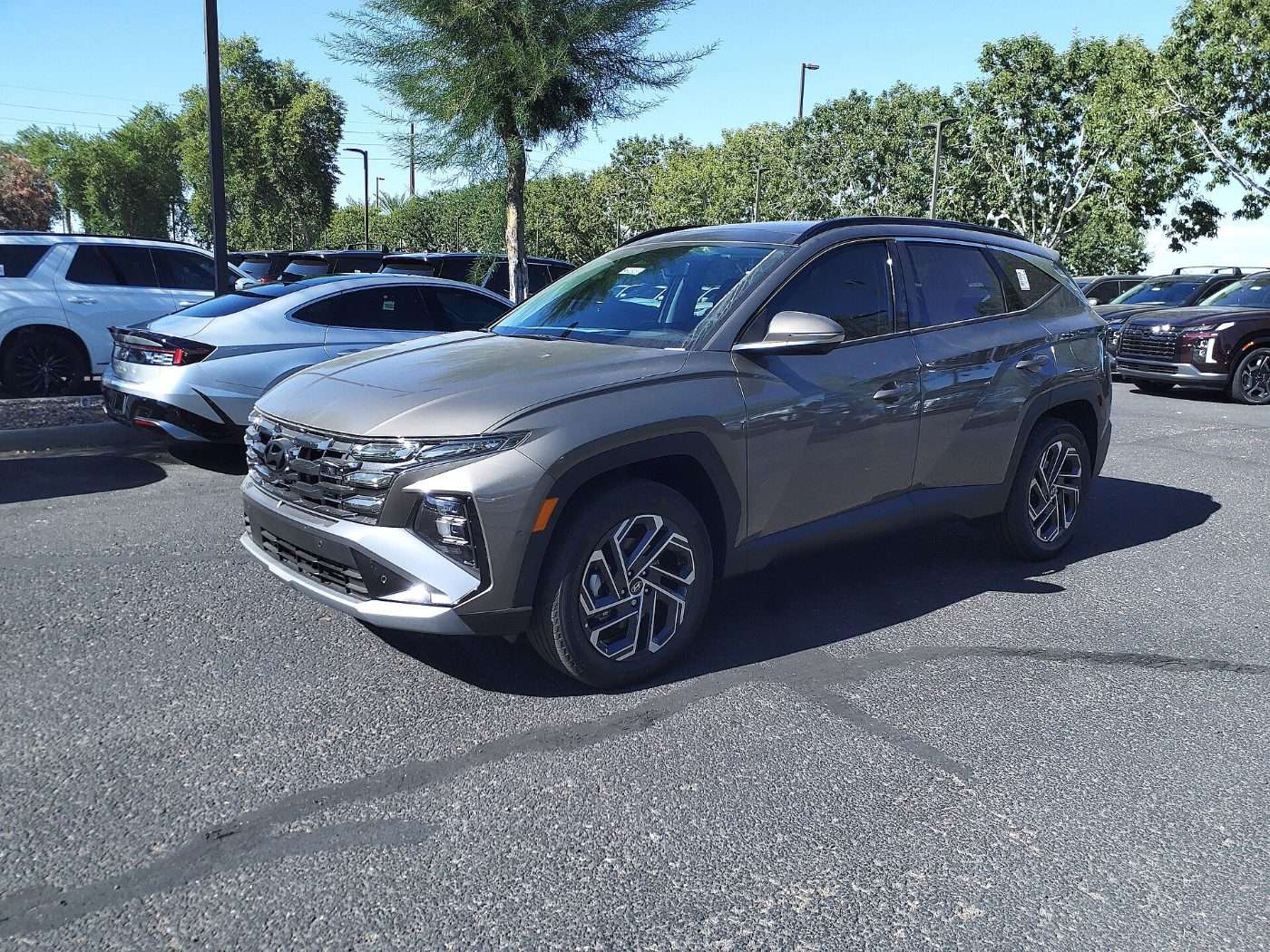
For GM, Ford and Stellantis, the math is uncomfortable. Their profits still lean heavily on large trucks and SUVs, which keep selling. Cox expects full-size pickups up 7.3% in September. But the fastest growth sits in segments they largely exited. It’s hard to win back a customer you gave away a decade ago. The questions for Detroit now are whether to bring back affordable cars, how fast to add hybrids, and how to do it without eating into truck margins.
For dealers, the effect is local and immediate. A Chevrolet or Ford store in a market that’s shifting toward small, efficient vehicles will feel this before any headquarters does. The Asian brands also face a test: winning share is one thing, but keeping supply of the hybrids everyone wants is another.
None of this is happening in a weak market. Cox raised its full-year forecast to 16.1 million sales, up from 15.8 million, citing better credit access and demand that has “consistently outperformed expectations.” The Detroit 3 aren’t losing ground because people stopped buying cars. They’re losing ground because people are buying cars Detroit doesn’t make much of. For more on the policy fights shaping Detroit’s next move, see our roundup on the push to ban Chinese-assembled vehicles, and for the long view on one of the brands gaining ground, our history of Honda’s founding in 1948.
A signal, not a collapse
A 36% Detroit 3 market share isn’t a sign Detroit is collapsing. GM is still America’s best-selling automaker, and Ford and Stellantis still own large chunks of the truck market. But it’s the clearest evidence yet that buyers are voting with $25,000-to-$40,000 hybrids and small cars. That’s where Detroit has the least to sell.
Sources: Cox Automotive Q3 2026 new-vehicle sales forecast (Sept. 24, 2026); Kelley Blue Book August 2026 transaction price report (Sept. 10, 2026). Share calculations by The Auto Wire from Cox’s forecast table.
What would it take to get you back into a Detroit-brand car, or have you already made the switch? Share your take in the comments.