
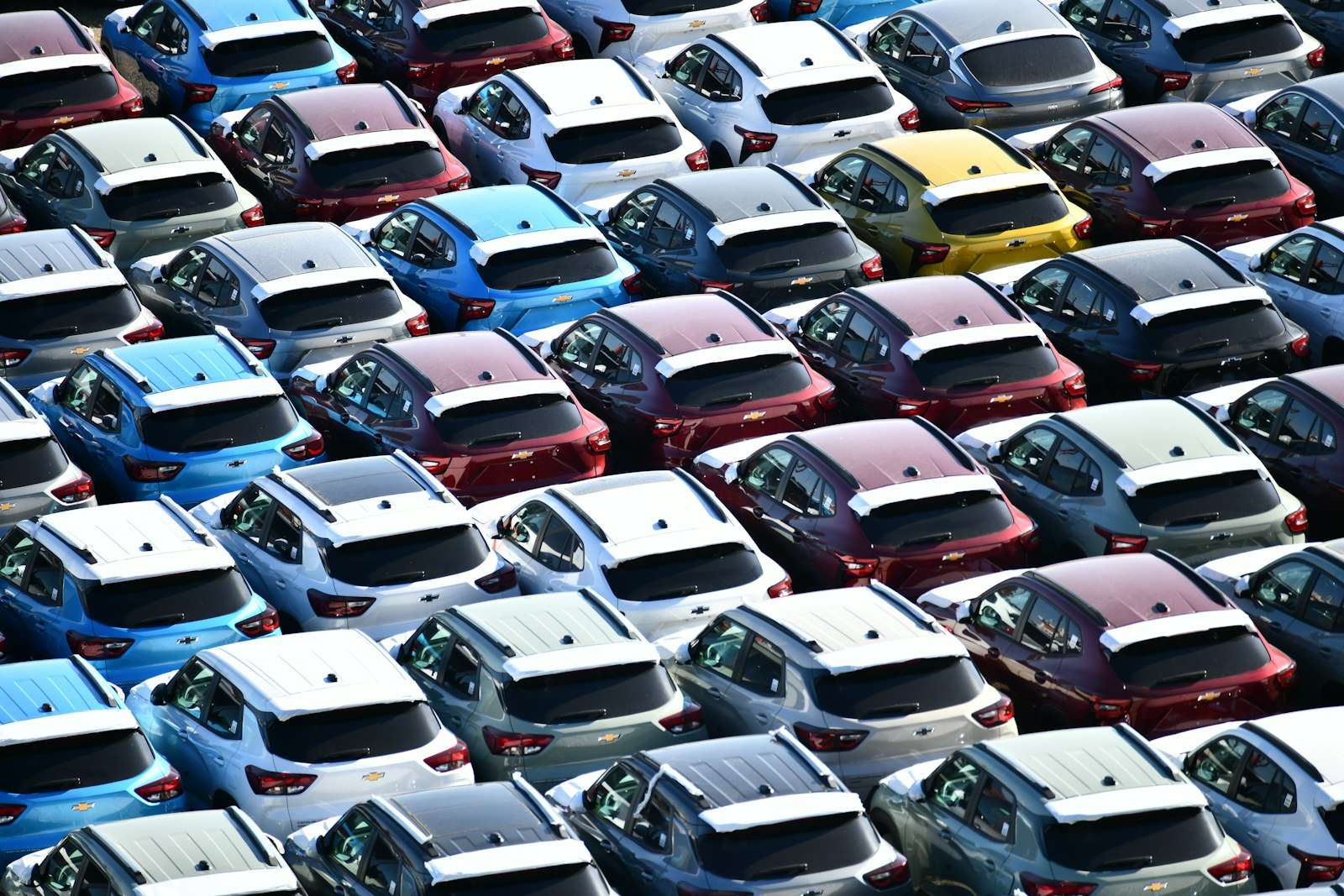
The National Highway Traffic Safety Administration wants to hear how to get more drivers to fix their recalled cars. The notice it published in the Federal Register on Monday, September 28, asks the public to weigh in. Near the end, though, is this line: “The event will not be live streamed or recorded.”
That sentence decides who gets to shape the next round of recall policy, and it isn’t the only problem in the notice.
What NHTSA actually filed
The document is a notice of public meeting titled “Recalls Next: Technological Innovations and Safety Recalls,” filed under FR Doc. 2026-19712 and signed by NHTSA Administrator Jonathan Morrison. The meeting runs November 5, 2026, from 8 a.m. to 3:30 p.m. Eastern in the West Building Atrium of U.S. Department of Transportation headquarters in Washington, D.C. Its public docket, NHTSA-2026-2014, stays open for comments until December 5.
NHTSA’s own numbers show why it wants the meeting. NHTSA says it administered nearly 900 vehicle safety recalls in 2025, and they covered more than 29.2 million vehicles in the U.S. The notice names three problems it wants help with:
- reaching owners of used vehicles who didn’t buy them new
- owner contact information that is incomplete or out of date
- gaps in recall completion between different groups of vehicles
The agenda includes keynotes from NHTSA leadership, panels of industry executives, and what the notice calls “facilitated workshop tables” where attendees can give input. The topics are how automakers reach owners, how they explain risk, and how they get people to book the repair. The notice also names the tools it expects to discuss: digital communications, connected-vehicle technology, mobile repair, and over-the-air software updates. It says automated vehicles are raising new recall questions too.
You can comment on a presentation you can’t see
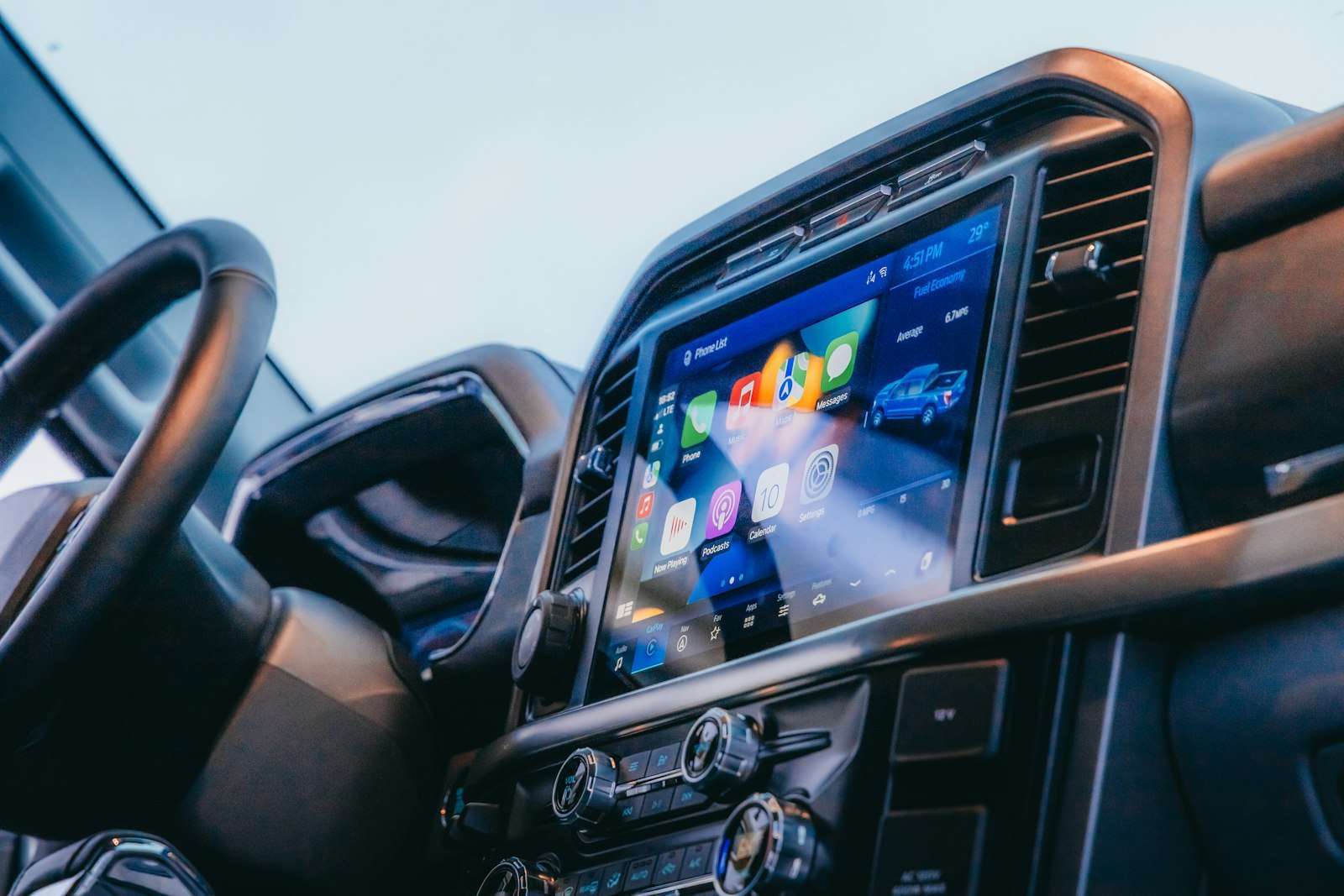
NHTSA asks for public comments “on the information presented” at the meeting, along with input on its recall priorities and any gaps it should address. But the meeting is in person only. Nobody will stream it, and nobody will record it.
So the 30-day comment window after November 5 is open to everyone, but the material people are supposed to respond to is only fully available to the people in the room. The notice doesn’t say whether slides or a summary will be posted to the docket. That leaves out the people the notice says NHTSA struggles to reach: used-car owners, drivers whose addresses have changed, and people in communities with lower completion rates. The groups most likely to buy a plane ticket and spend a Thursday in the DOT atrium are automakers, dealer groups, suppliers, and trade associations.
The procedure section has a second imbalance. Companies can file comments as confidential business information under 49 CFR part 512. They send a redacted public copy and an unredacted copy to NHTSA’s Office of Chief Counsel. Individual commenters get a different warning: everything they submit is posted “without change” to regulations.gov, and that includes any personal information in it.
Two deadlines that don’t match
If you want to attend, check the dates carefully. The Federal Register notice sets the registration and accommodation-request deadline as October 29, 2026. NHTSA’s own event page says October 28. The event page also says registered in-person attendees will get a follow-up email on November 2. If you plan to go, register by October 28 so the mismatch doesn’t cost you a seat.
Who this affects
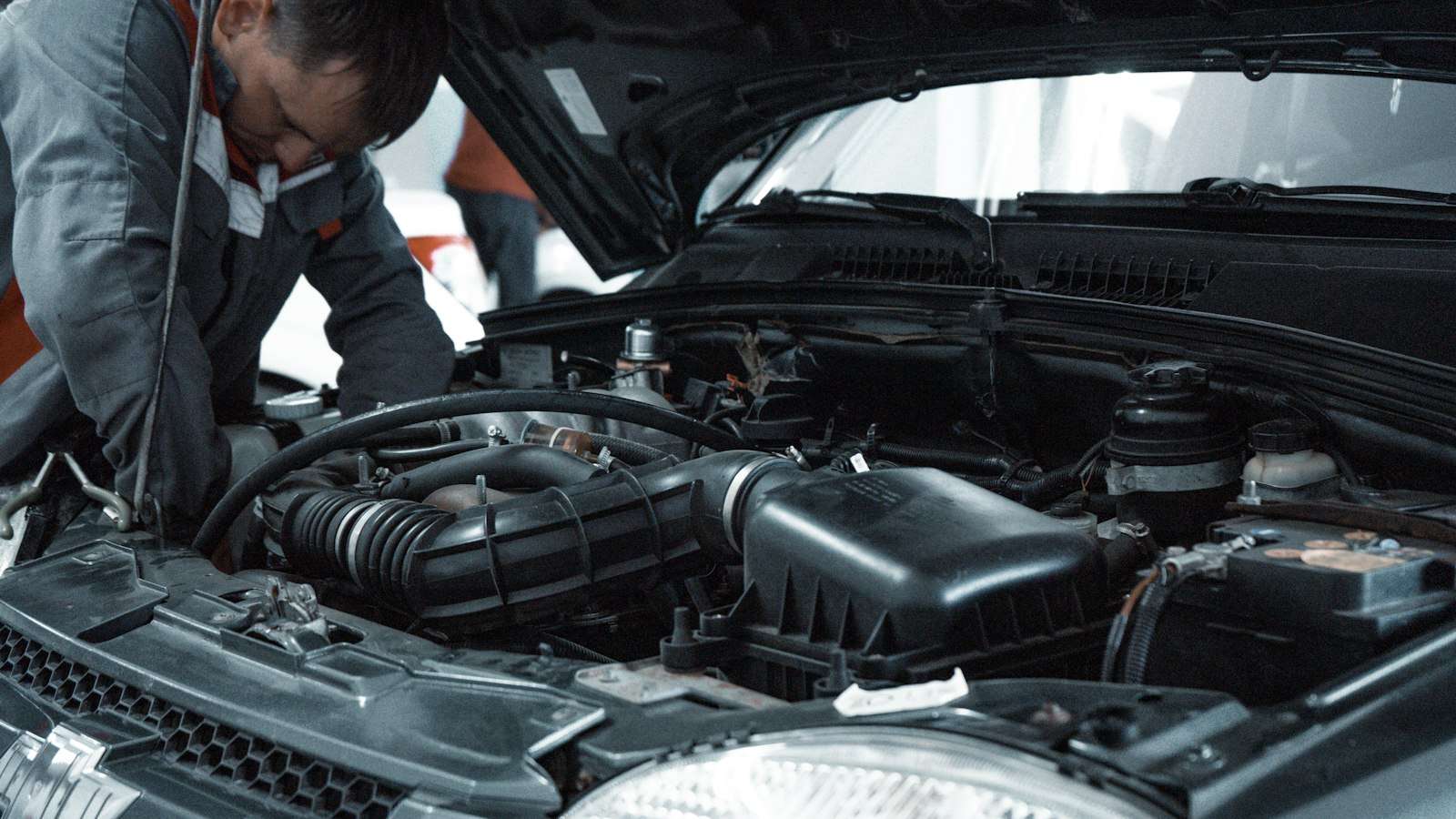
Used-car owners. The notice lists them first among its problems. If you bought your car secondhand, the automaker may still be mailing recall letters to the previous owner. Whatever comes out of this meeting could change how you get notified: by text, in an app, through the car’s screen, or not at all.
Owners of connected cars. NHTSA calls over-the-air updates and mobile repair ways to “reduce the time and burden” of getting a recall fixed. That’s good news when a software fix takes care of the defect. It’s less reassuring when the defect is mechanical, like the steering bolt behind Volkswagen’s 208,724-vehicle recall or the hardware story underneath Land Rover’s latest DC-DC converter recall. Neither of those can be fixed from a server.
Dealers and independent shops. The notice says nothing about stop-sale orders, parts supply, or dealer reimbursement, and those are the issues that decide whether a recall actually gets fixed. If more remedies move to software and mobile vans, service departments lose some of their role as the place recalls get done. Those tradeoffs will be argued out in person.
How quiet meetings become policy
Recall policy tends to change through quiet steps like this one. A convening becomes a set of “best practices,” those shape guidance, and the guidance shapes what automakers do. This is the same agency that just proposed dropping two NCAP safety tests while its promised program upgrades slipped to 2029. When priorities are being reset that fast, the people in the room have a lot of say.
The campaigns keep coming. Just last week we covered Rivian recalling nearly 99,000 EVs. Each campaign depends on the same weak link: getting a letter, a text, or a notification to the person who has the car now.
What you can do now
- Enter your 17-digit VIN at NHTSA’s recall lookup. It’s free and shows open recalls whether or not you ever got a letter.
- If you bought the car used, register it with the manufacturer so notices come to you.
- You don’t have to attend to comment. Search docket NHTSA-2026-2014 on regulations.gov before December 5, and leave personal details out of what you submit.
Your turn: Should a federal meeting on how to reach car owners be streamed so those owners can watch it? And how do you want to hear about a recall on your car: a letter, a text, an app alert, or a message on the dashboard?