
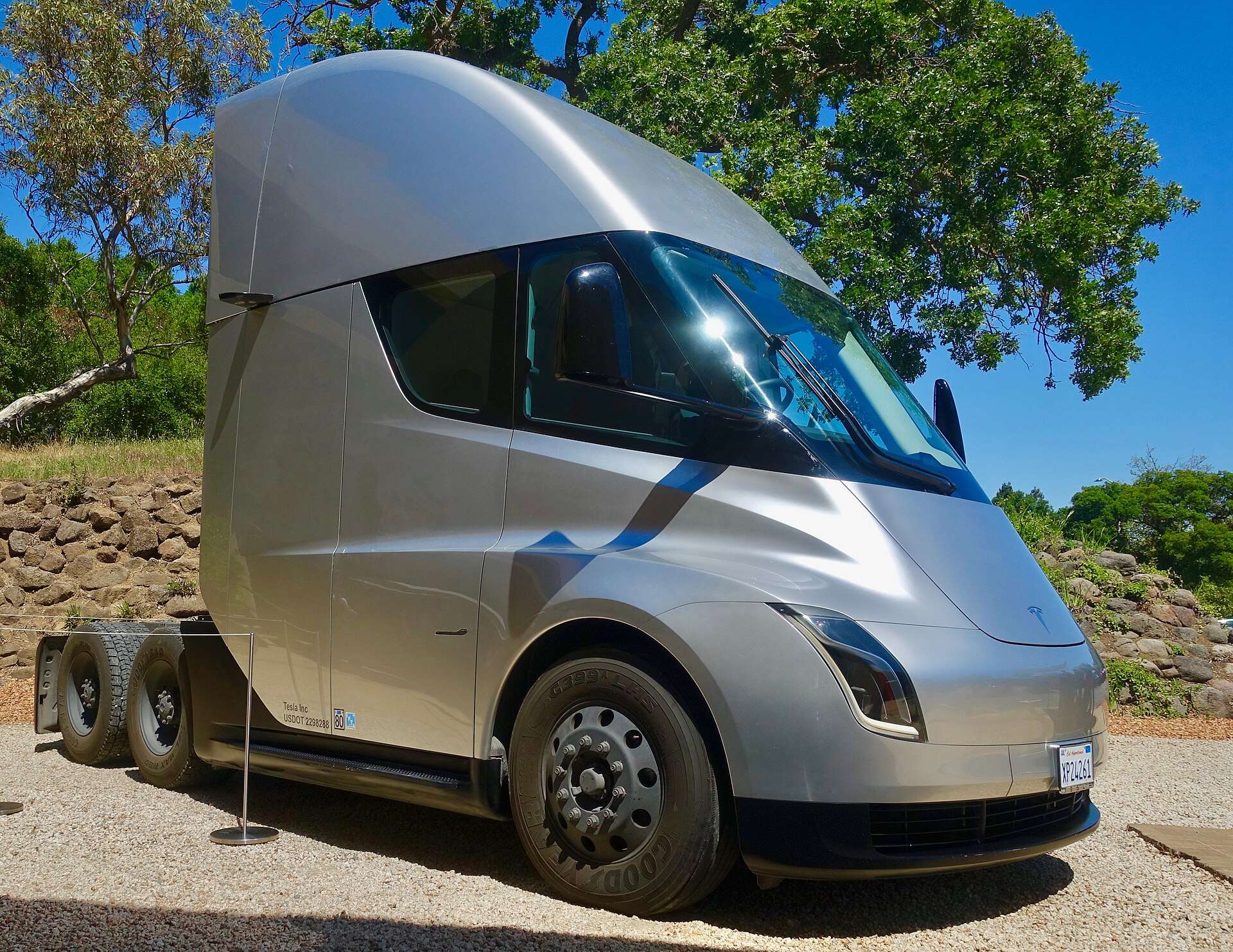
Today’s auto industry news roundup starts in Nevada. Tesla throws open the doors on its Semi factory, Rivian just pushed a recall to more than half the vehicles it has ever sold, and Washington spent the day arguing about whether a Chinese automaker is about to get a U.S. factory as a diplomatic door prize. Meanwhile, China’s EV makers kept doing what they do best: charging faster and selling higher.
This brief covers the last 24 hours — the industry items we did not give a standalone story, with the part that actually matters pulled out of each. Everything we have reported in full is linked throughout.
Sparks, Nevada: Tesla’s Semi Factory Gets Its Coming-Out Party
Tesla is holding an invite-only “Semi Rollout” event today at its Semi plant in Sparks, Nevada, with factory tours and truck rides on the schedule. The 1.7-million-square-foot building is designed to build up to 50,000 Semis a year, and the first truck came off its high-volume line in late April.
The number fleets will care about is the sticker. The 500-mile Long Range Semi is priced at $290,000, with the 325-mile Standard Range at roughly $260,000. When Tesla first showed the truck in 2017, it talked about $180,000. That gap is the whole story for a trucking company doing total-cost-of-ownership math: the Semi now has to earn back an extra $80,000 to $110,000 in fuel and maintenance savings before it beats the pitch Tesla made nine years ago.
The truck event lands between the Cybercab unveiling earlier this month and the next-generation Roadster reveal set for October 1. For a company whose overseas expansion keeps running into charging-network politics, a Class 8 truck that lives on depot chargers is a much simpler sell.
Recalls: Rivian’s Backup Camera Fix Covers Nearly 99,000 EVs
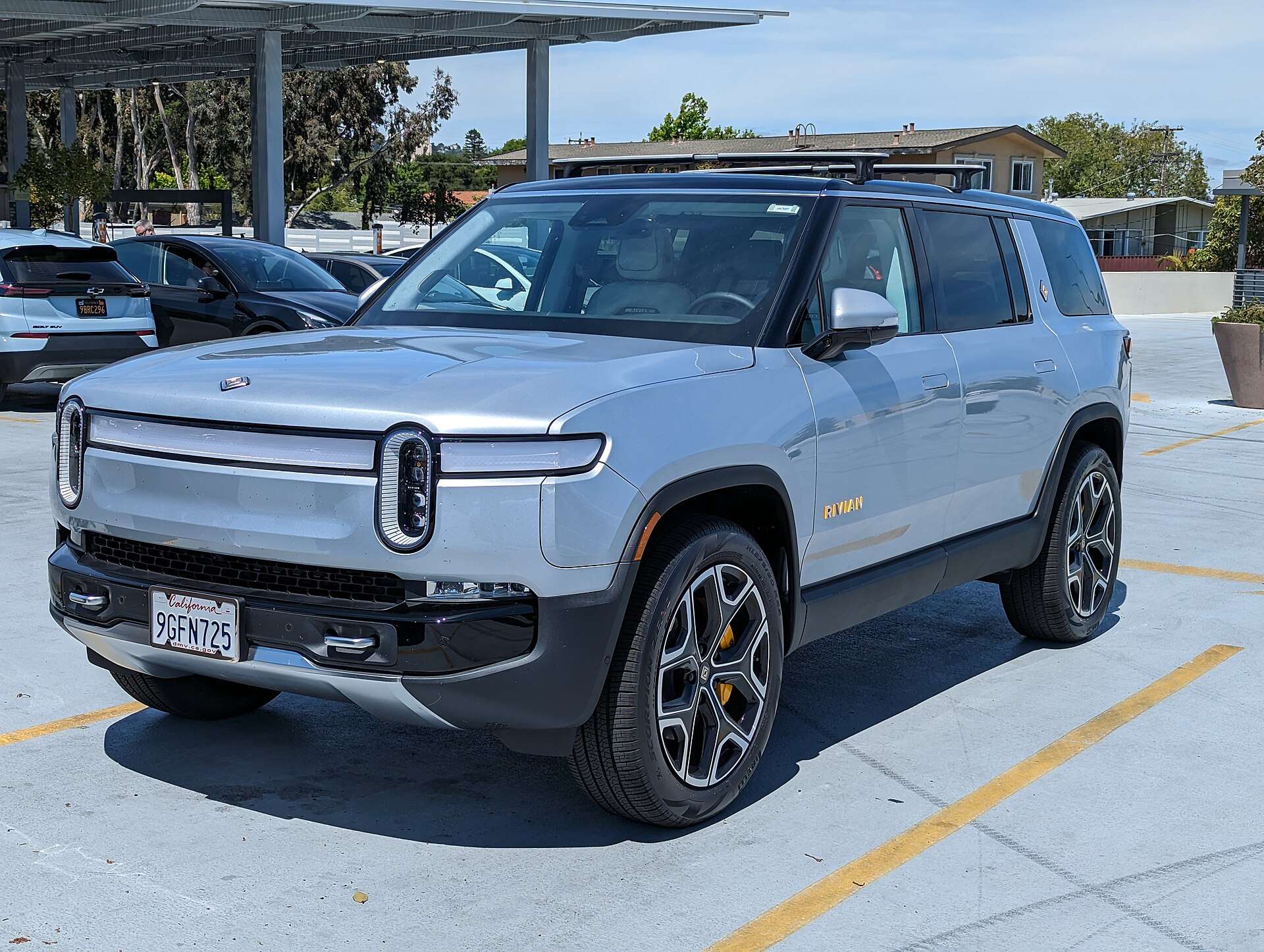
Rivian is recalling 98,828 vehicles — 2022-2027 R1S SUVs, 2022-2026 R1T pickups and 2027 R2s — because a notification can pop up over the rearview camera image while the vehicle is in reverse. Blocking the backup camera violates the federal rear-visibility standard, which is why a software glitch becomes a formal recall.
The remedy is a free over-the-air software update, so no one has to book a service appointment. Software fixes inside formal recall files are becoming routine; Hyundai’s Ioniq 9 seat recall took the same route this week. It also shows the other side of Rivian’s decision to give the R1 and R2 the same software brain: shared code means a shared bug can reach nearly every model at once, but a single update can fix all of them.
If you own an affected Rivian, make sure the update has installed. You can check your VIN on NHTSA’s recall lookup.
Hangzhou: Geely Says Charging Is Hitting a Physical Wall
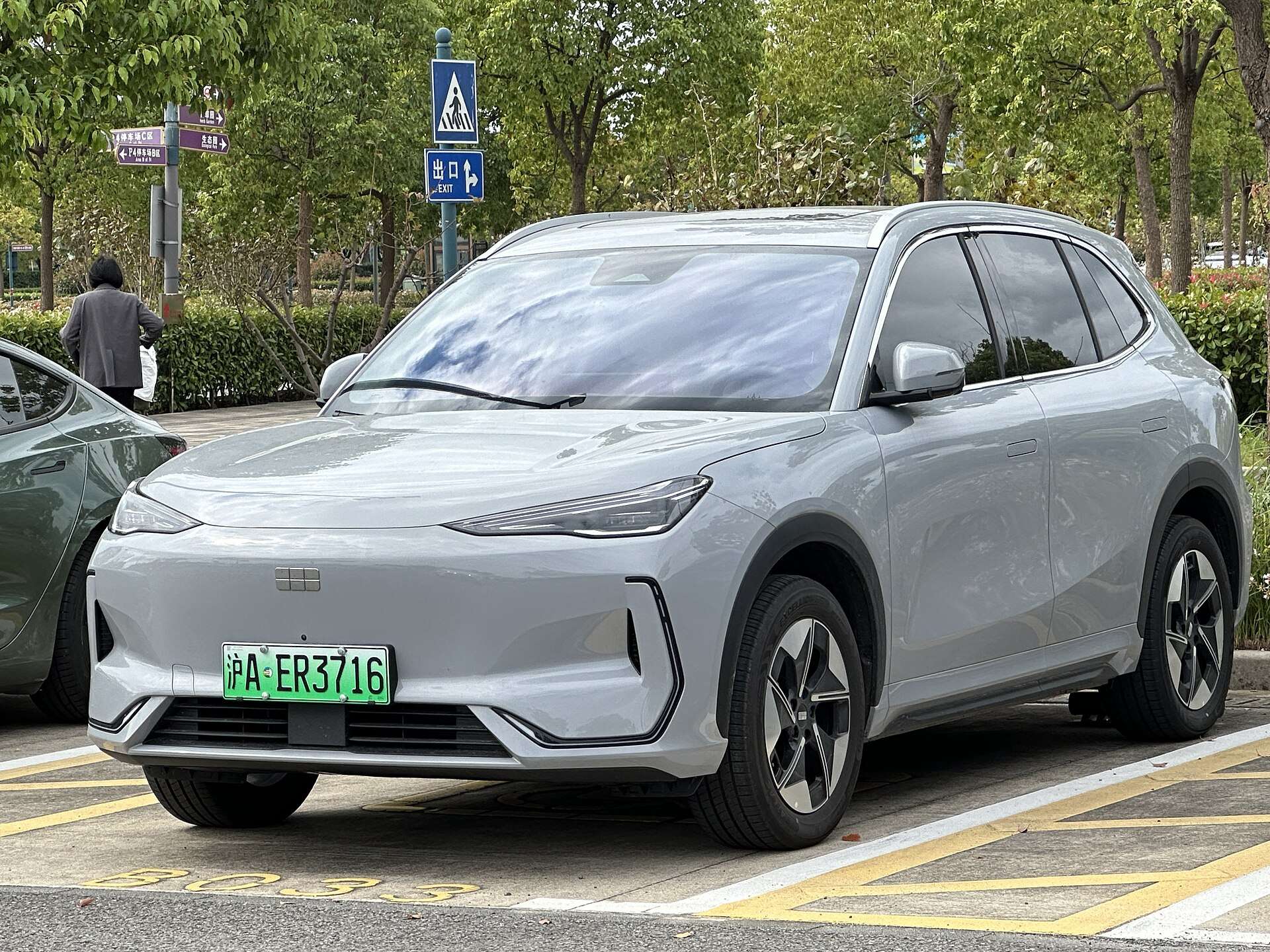
Geely showed off a charging system that takes a compatible EV from 10% to 70% in about four and a half minutes and from 10% to 97% in 8 minutes and 40 seconds, backed by 2.2-megawatt chargers and a new high-rate battery. It launched alongside an updated Galaxy E5 electric SUV. The numbers edge past BYD’s flash-charging system from earlier this year, which does 10% to 97% in nine minutes.
The most revealing line came from Geely executive Zhang Dewang, who told Reuters that “current charging speeds are already approaching the physical limit.” In other words, the charging-speed arms race is nearly over, and the next fight moves to battery health, thermal management and cost. That is where Geely says its AI monitoring comes in. It all plays out in a Chinese EV market where sales fell for 11 straight months through August, which explains why Geely keeps looking abroad, from Ford’s old Spanish plant to a Renault factory in Brazil.
Washington: The BYD Question Follows Xi Into the State Dinner
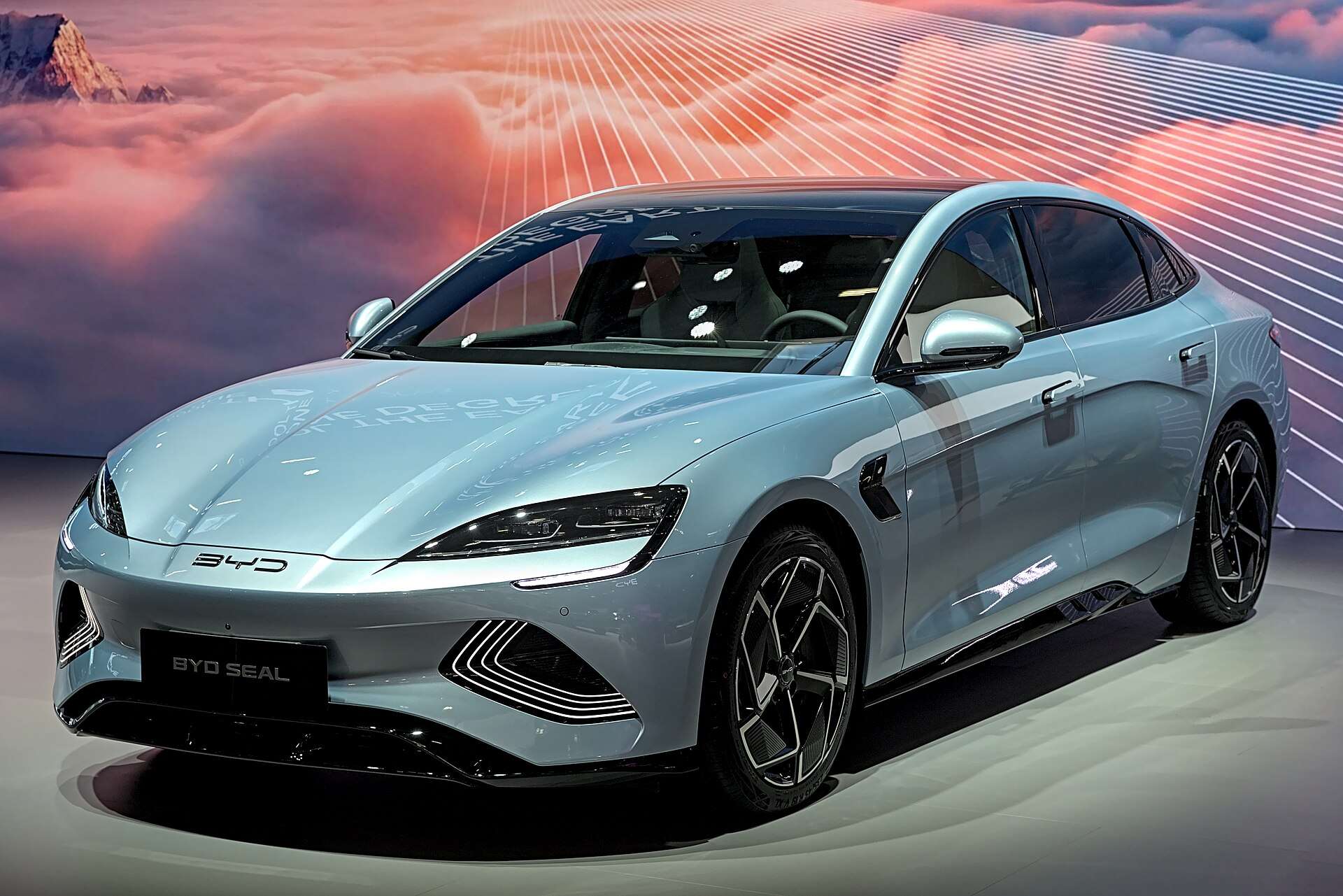
Michigan Sen. Elissa Slotkin posted a video warning that a BYD assembly plant in the U.S. would be a way for Chinese automakers to “get their foot in the door.” She was reacting to rumors that BYD founder Wang Chuanfu could join Chinese President Xi Jinping in Washington this week. As of Tuesday, his attendance had not been confirmed, and industry groups joined the warnings.
Meanwhile, Reuters reported that GM CEO Mary Barra is expected at Thursday’s state dinner for Xi. Stellantis CEO Antonio Filosa will not attend because he is out of the country, and Ford declined to say whether Jim Farley will be there. The backdrop: Detroit has been pushing for an outright ban on Chinese assembly rather than a tariff, while the White House has signaled Chinese automakers could build here. Whatever comes out of this week will tell buyers whether a Chinese-brand car at a U.S. dealership is years away or much closer.
Exports: Zeekr Ships Its Most Expensive SUV Overseas
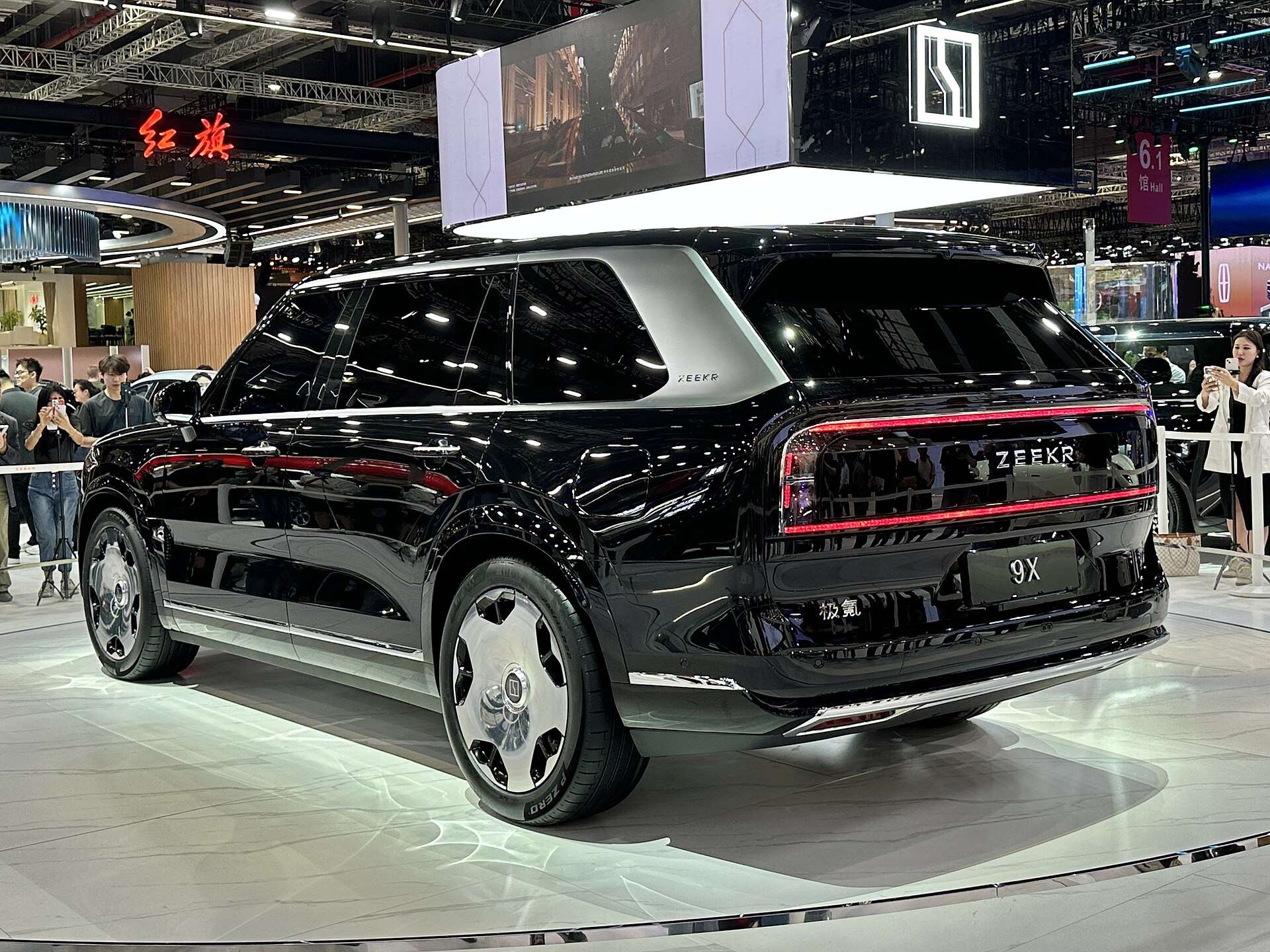
Geely’s premium brand Zeekr says its flagship 9X SUV has started its first large-scale overseas shipment, leaving Fuzhou Port for the United Arab Emirates, with the Middle East, Central Asia, Europe and Latin America to follow. Zeekr puts the UAE price above 800,000 yuan and the European price close to 1 million yuan. A Mansory-customized version tops 2.7 million yuan, which the company claims makes it the most expensive Chinese vehicle sold abroad.
The takeaway is less about one SUV than about positioning. Chinese brands built their export business on undercutting on price. Zeekr is now testing whether wealthy buyers in the Gulf will pay luxury money for a Chinese badge, the same buyers European luxury makers depend on.
Europe: Nissan Brings Back the Pixo as a Twingo Twin
Nissan revived the Pixo name for a small EV built on the new Renault Twingo. It will be made at Renault’s Novo Mesto plant in Slovenia, with a 27.5-kWh LFP battery, an 81-hp motor and 161 miles of WLTP range. DC charging from 15% to 80% takes about 28 minutes at 50 kW. The expected price is under €20,000, with pricing and pre-orders due from December for Europe and the UK.
It is not coming to America. Nissan’s U.S. lineup is still leaning on hybrids like the Rogue Hybrid that starts at $37,065. That comparison is the story: Europe is getting a sub-$25,000 EV from Nissan’s alliance partner, while U.S. buyers are watching used EV prices rise because affordable new ones are so scarce.
The Bottom Line
That is the wire for the last 24 hours. The common thread is price. Tesla’s Semi costs far more than promised, Chinese automakers are either racing to the bottom or reaching for the top, and the cheapest new EV in today’s news is one Americans cannot buy.
Which story here matters most to what you drive or buy next: the Semi’s price tag, the BYD factory question or the EVs Europe gets and we don’t? Tell us what you think.