
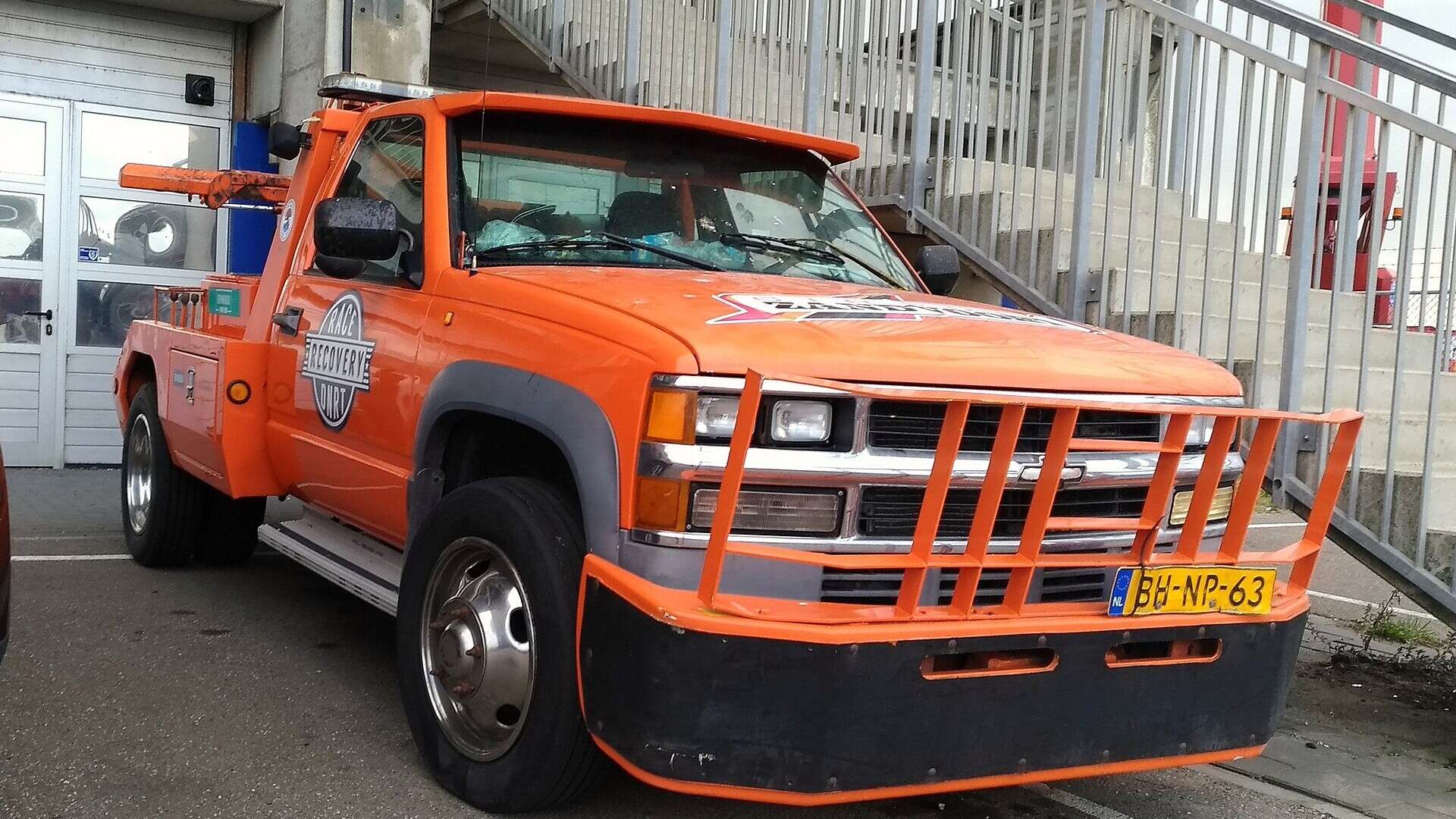
The Denver tow truck indictment announced Oct. 8 charges 12 people, all between 23 and 30 years old, with 187 counts. Prosecutors say the group worked crash scenes in the Denver area and then pushed stolen vehicles through the state’s DMV on forged paperwork, according to CBS Colorado’s account of the indictment. Oscar Salinas and Zaki Merhazi, described as the leaders and the owners of the towing companies, are in Denver custody. An indictment is an accusation, and none of the 12 has been convicted.
Only six of the 187 counts involve tows. In March and April 2026, the indictment says, Salinas, sometimes with his girlfriend, arrived at crash scenes with a tow truck and persuaded drivers to let him haul their damaged vehicles away. One driver told CBS Colorado that Salinas approached her after a March 20 crash on Sheridan Boulevard and said an “SOS” message from her phone had alerted him. CBS noted that those messages typically go to emergency contacts and dispatch centers, not tow operators.
She let him hook up and pull her truck out of traffic, which she said the responding officers wanted, but getting it off his hook was harder. By her account, what followed was a weekend of inflated charges and early-morning texts, a demand that she hand over a signed title, a demand for cash with no receipt, and a warning that she should be careful because they had contacts in the police. She called the police herself and got the truck back for less than $1,200. According to the indictment, other crash victims were asked to pay as much as $8,000 to get their vehicles released.
Six counts about tows, the rest about paperwork
Nearly all the remaining charges involve forged vehicle registrations, titles, invoices, repossession statements and power of attorney forms, which CBS Colorado reported fooled DMV and emissions staff at locations around the Denver metro area. That list is the paperwork a real tow or recovery business handles every week, so a forger in that line of work rarely has to explain why a stranger’s car is on his lot or why a signature is on a form. In Missouri, a tow boss got 153 months for forging owners’ signatures to title stolen cars in a similar paperwork scheme.
Using those documents, the indictment says, the group took ownership of Dodge Chargers, full-size pickups, a Chevrolet Corvette, a Cadillac Escalade, a Peterbilt semi tractor, a Polaris Slingshot and a long list of sedans and SUVs, plus two tow trucks stolen from a Miami dealership and three from a dealership in New Jersey. The alleged operation ran from June 25, 2023, to Sept. 30, 2026.
Two Lamborghini Urus SUVs and a $220,000 insurance claim
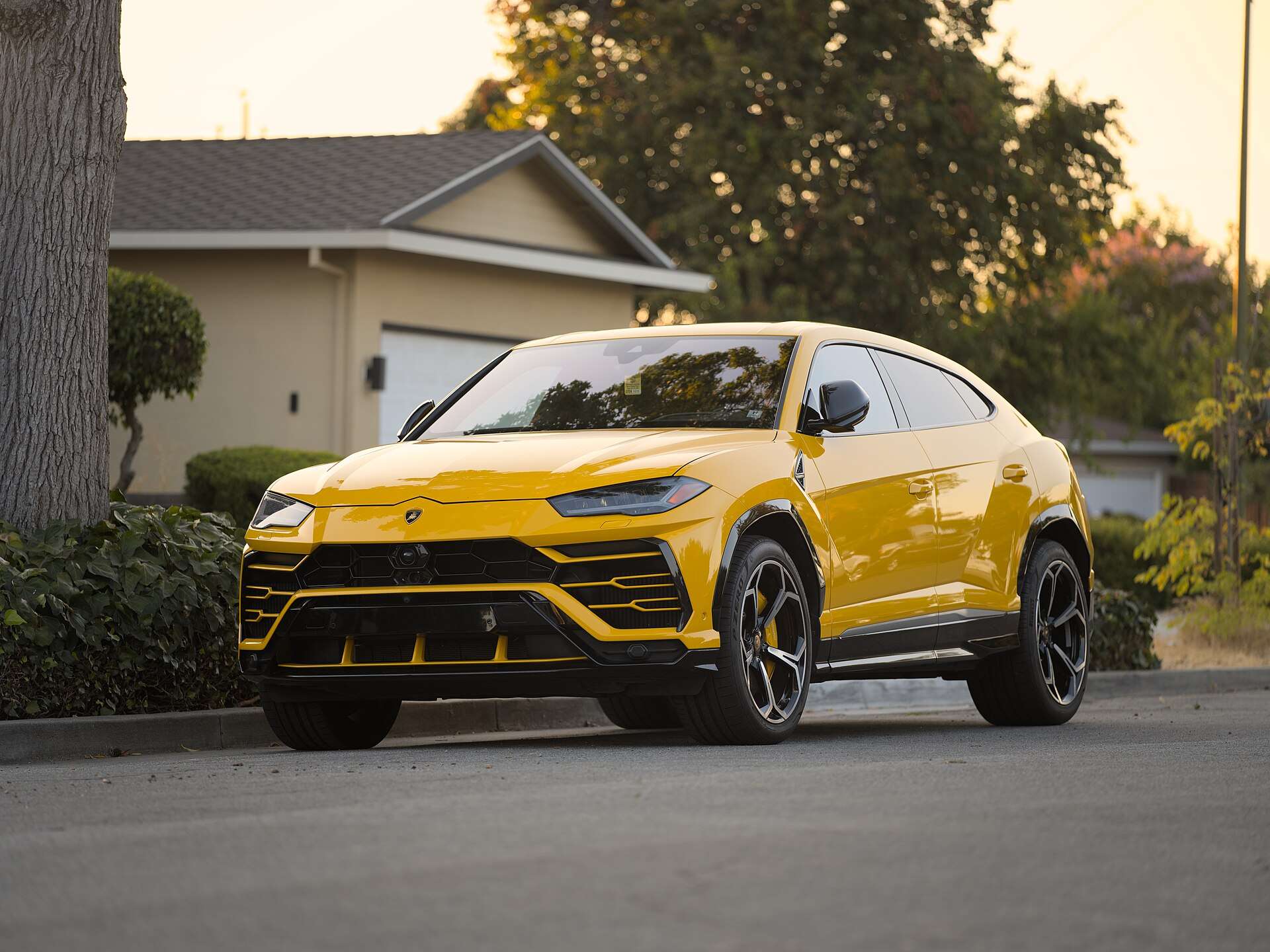

The most expensive allegations involve exotics. According to the indictment as CBS Colorado described it, Salinas and a colleague staged the carjacking of a Lamborghini Urus at a Dallas gas station in July 2025. The SUV had been rented from a luxury vehicle business. It was brought to Colorado, its white paint covered with black vinyl and its wheels changed so police would have a harder time spotting it, and Salinas gave it to Merhazi, who kept it for two months. The $184,000 vehicle has not been found.
Around the same time, the indictment says, Salinas altered the VIN on his own black 2015 Lamborghini Huracan, staged a theft from his home in Lakewood, and filed a claim on the $220,000 car with his insurer. Investigators found the Huracan a month later at a Denver residence tied to his girlfriend. A second Urus, taken from a Cadillac dealership in Fort Lauderdale, Florida, was wrapped in tan and black vinyl, given new wheels and a changed VIN, and was recovered in front of Salinas’s Lakewood home as a co-defendant tried to move it with a stolen tow truck.
What Colorado’s tow rules cover, and what they may not
The Colorado Public Utilities Commission is the agency with which tow companies must register, and it assisted in the investigation along with the Division of Motor Vehicles and the National Insurance Crime Bureau. Robert Force, director of the Colorado Auto Theft Prevention Authority, which led the case, said it targets people who “hide behind the guise of a business or even a PUC number.”
The PUC’s rate sheet effective April 30, 2024 sets the maximum for a private-property impound of a vehicle up to 10,000 pounds at $239.88 for the hookup, $3.80 a mile and $46.08 per 24 hours of storage. A 12-mile tow with three days in the yard comes to $423.72 at those caps, by The Auto Wire’s arithmetic, so an $8,000 demand is nearly 19 times that figure.
That is a yardstick, not a legal comparison. Those maximums, and the protections in House Bill 22-1314, signed June 7, 2022, and in effect since Aug. 10, 2022, are written for nonconsensual tows from private property. Under that law a carrier must photograph the vehicle and the reason for the tow before hooking up, must accept cash and major credit cards, cannot charge storage for days the car was not stored, and loses the right to collect fees if it violates the act. A driver who says yes to a tow operator at a crash scene has consented, and the rate sheet and PUC towing page I reviewed do not say whether those maximums reach that tow. The PUC’s own page says most of its cases involve nonconsensual tows. Rules vary by state.
Complaints about a Colorado tow company go to the PUC’s consumer affairs office, which can be reached at (303) 894-2070.
A second big Colorado tow case in a year
The Auto Wire reported last October that a Colorado tow truck driver was sentenced to 16 years for stealing nearly 50 cars from vulnerable owners. Nationally, NICB midyear data show vehicle thefts down in all 50 states. The Denver case describes a theft method that starts with a registered tow business, which a falling national total does not measure.
Court dates
Salinas is scheduled to appear in court Oct. 29. Merhazi and two co-defendants had hearings set for Friday in Denver District Court, CBS Colorado reported. CBS’s report did not include a statement from any defendant or defense attorney.
Should Colorado require a tow operator to give a driver a written price before hooking up to a crashed car, even if it slows the scene, or is a driver’s yes at the roadside enough?