
Ford has settled harassment claims at its Chicago plants with the federal government twice. Once in 1999. Again in 2017. Between those two deals, the company agreed to pay nearly $18 million and promised a whole lot of training, monitoring, and reporting to make sure it wouldn’t happen again.
It’s 2026, and the lawsuits are back.
Since March, at least three current or former workers from Ford’s Chicago operations have taken the company to federal court in Chicago. One says a supervisor harassed her for three years. One says the HR system she was told to trust worked against her. One says she was pushed out months before hitting 30 years on the paint line. On top of that, other former workers are talking publicly, and one of them described the place in a way Ford won’t like.
None of the new claims have been proven. But when you line them up next to what Ford already agreed to fix, twice, it’s hard not to ask whether any of those fixes were built to last.
The plant that builds your Explorer
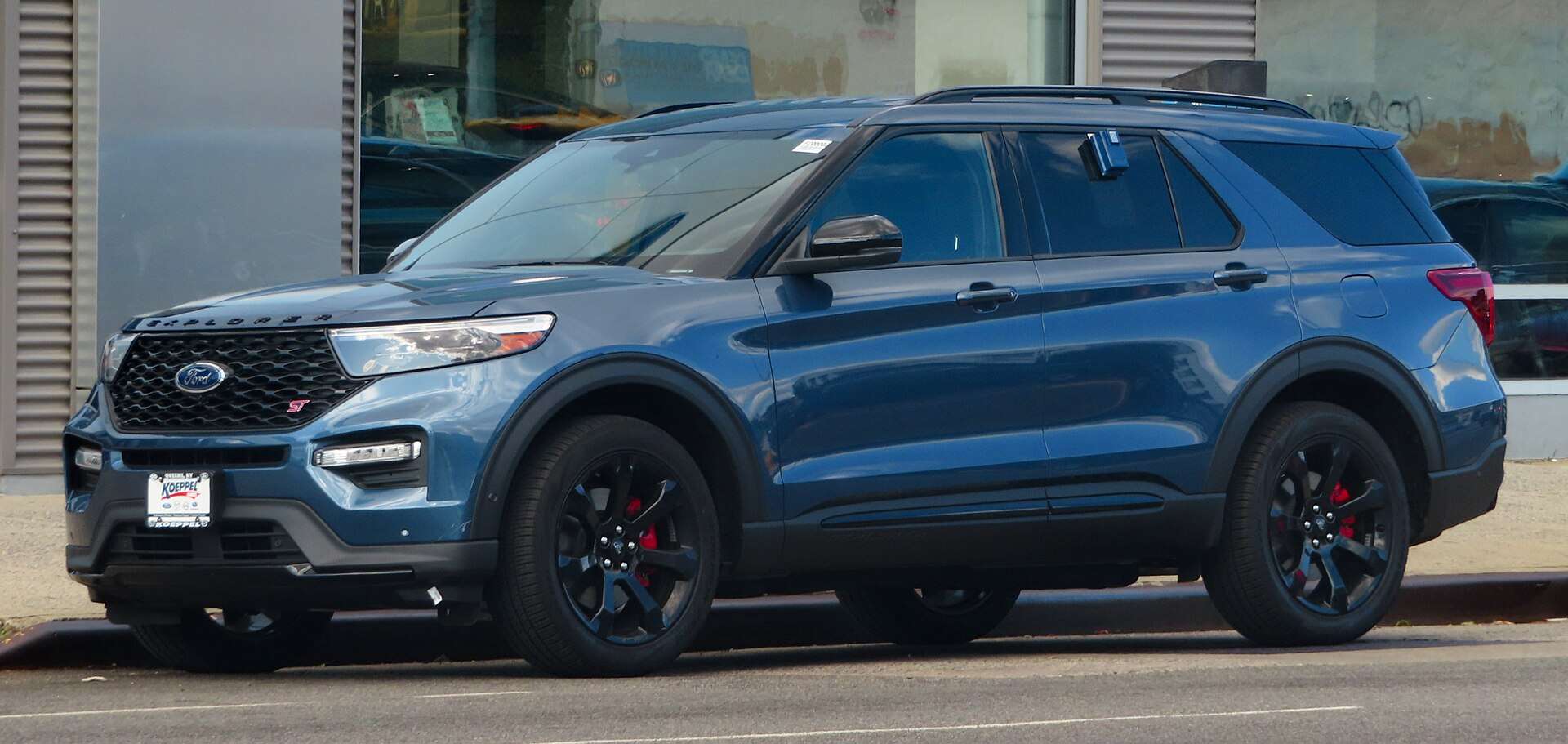
Chicago Assembly, on the city’s far South Side, is the oldest Ford assembly plant still running. It opened in 1924. Today it builds the Ford Explorer, the Lincoln Aviator, and the Police Interceptor Utility, which is the SUV a lot of police departments now use for patrol. The Chicago Stamping Plant, a few miles away in Chicago Heights, makes body panels.

These aren’t side projects. The Explorer is one of Ford’s most important nameplates, and the police version helps keep the company in business with governments around the country. Those two plants are also the ones at the center of both federal settlements.
Round one: 1999
In September 1999, Ford and the U.S. Equal Employment Opportunity Commission signed a $7.75 million settlement over sexual and racial harassment and retaliation at the Chicago Assembly and Stamping plants. Ford also projected spending $10 million on discrimination prevention training.
The deal had some teeth for its time. A three-member independent panel was set up to monitor Ford. Ford had to get its harassment policies approved by that panel. There was even a goal of putting women in 30% of entry-level supervisor jobs over three years.
Three years. That’s how long the agreement ran.
Round two: 2017
Eighteen years later, the EEOC was back at the same two plants. In August 2017, the agency announced Ford would pay up to $10.125 million after it found reasonable cause to believe female and Black employees had been sexually and racially harassed, and that workers who complained faced retaliation.
This time, Ford agreed to five years of anti-harassment training at the Chicago plants, regular reports to the EEOC on harassment complaints, and monitoring of the workforce. Julianne Bowman, then the EEOC’s Chicago district director, said at the time that Ford had worked with the agency on policies that would “effectively prevent future harassment.”
Do the math on that five-year window, and the training commitment ran out around 2022.
Round three? What’s been filed in 2026
Here’s what’s on the federal court docket in Chicago this year.
March 13: Davis v. Ford Motor Company. Tashona Davis, an assembler, says a supervisor made sexually explicit remarks and engaged in unwelcome conduct for about three years starting in 2021. She says that after she complained, Ford dragged its feet on the investigation, piled up write-ups, and hit her with a two-week unpaid suspension when she came back from medical leave, according to Human Resources Director.
March 20: Lynn v. Ford Motor Company. Ayanna Lynn, a quality engineer at Chicago Assembly with two engineering degrees and an MBA, filed an 11-count complaint. She says a manager made unwanted sexual advances, and that after she reported it, her reviews got worse, her transfer requests were blocked, and she was fired on Sept. 8, 2025. The detail that jumps out is about Ford’s own reporting system. Lynn claims a labor relations manager told her Ford’s QR-code complaint portal was “not for retaliation,” even though retaliation is one of the categories listed on it, Human Resources Director reported. Ford has pointed to her performance and behavior as the reasons she was let go, the Chicago Crusader reported.
Aug. 21: Potter v. Ford Motor Company. Tracy Potter started at Ford on June 7, 1995, and ended up leading a paint repair team. She was fired on Oct. 10, 2024, at 59 years old, a few months short of 30 years. Her suit alleges age and disability discrimination and retaliation, and says the firing was based on a false claim that she sent a racist text. According to the Chicago Crusader, a lawyer turned the case down, and she filed it with help from a consultant who isn’t an attorney. Ford didn’t respond to the paper’s questions.
Then there are the workers who haven’t sued, or haven’t yet. Chamair Jenkins, a body shop worker let go in August 2025 after 15 years, told the Crusader that people inside were known by eight-digit numbers instead of names. Her description of the plant: “It was like prison and a plantation.”
Settlements expire. Culture doesn’t.
Here’s my problem with how these deals work. Every time, the fix comes with an end date. Three years of monitoring in 1999. Five years of training and reporting in 2017. The checks go out, the training videos get made, the reports get filed, and then the clock runs out and everybody moves on.
Ford is a huge company and Chicago Assembly employs thousands of people. A handful of lawsuits doesn’t prove the whole plant is broken, and Ford will get its chance to answer each one in court. But the pattern here isn’t new. It’s the same two plants, the same kinds of claims, and a recurring gap between what gets promised to regulators and what workers say happens on the floor.
If you buy an Explorer, it doesn’t change how the SUV drives. But it’s worth knowing who builds it and what they say they’re dealing with. And it’s worth noting that Ford’s handling of its own people keeps ending up in the news. The company is still dealing with the fallout from the worker it fired over a $1.95 cookie he’d actually paid for.
The EEOC has come in twice. Nobody knows yet if there will be a third time, and that’s a big part of what these three lawsuits could decide.
So I’ll put it to you: when a company settles the same kind of complaints at the same plants twice, should the fixes come with an expiration date at all?