
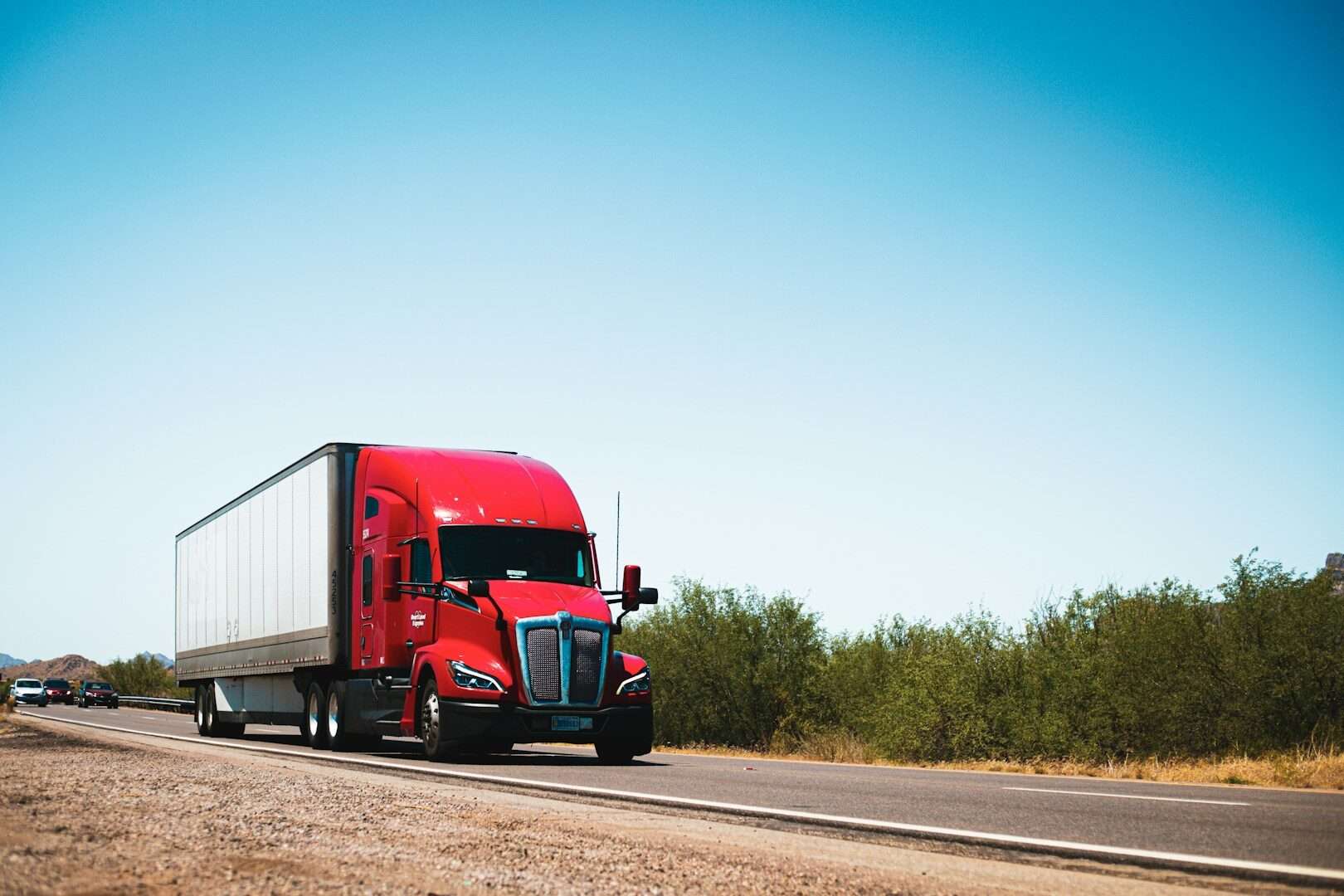
Before anyone pictures a driverless Peterbilt barreling down I-5 at 3 a.m., a correction: robot delivery trucks aren’t new to California. The state approved rules in December 2019 allowing autonomous delivery trucks under 10,001 pounds to be tested and deployed, according to a DMV workshop document. Those are box vans and small cargo haulers, the kind of thing that brings your paper towels. ca
The real news is weight. For years, California was the holdout that kept anything heavier locked out of autonomous testing. That door is now open, the first permits have been issued, and a union lawsuit is trying to slam it shut again.
What Actually Changed
On April 28, the DMV adopted new rules that remove the ban on autonomous vehicles rated at 10,001 pounds GVWR or more, opening the state to AV freight operations. The agency’s milestones page confirms the Office of Administrative Law signed off on the heavy-duty package that day. CA
Related Articles
- GM’s 8.3L Duramax “Mongoose” Targets Ford’s Power Stroke: What We Know
- A Waymo Spotted a Rifle, Pulled Itself Over, and Called SFPD on Its Own Riders
That GVWR number matters more than it looks. A 10,001-pound rating is where Class 3 begins. The rule therefore doesn’t just cover 80,000-pound Class 8 tractors. It also covers the medium-duty box trucks and regional delivery rigs in between, which is where a lot of near-term autonomy money is aimed.
There’s also a transit carve-out. The rules let public entities and universities run autonomous transit vehicles up to 14,001 pounds GVWR. Private robo-shuttle operators don’t get that allowance. CA
The historical context helps explain the long wait. The DMV kept heavy trucks out because of the unique safety, inspection and enforcement questions that come with heavy commercial vehicles. That concern is baked into the final rules. ca
The Million-Mile Ladder
Nobody gets to skip steps. Under the new framework, manufacturers start with safety-driver testing, move to driverless testing, and only then apply for commercial deployment, logging 500,000 miles per phase for heavy-duty vehicles versus 50,000 for light-duty, plus a structured safety case covering hardware, software and operations. CA
Here is what that means in practice. That is a minimum of one million heavy-truck miles before anyone can even ask to haul paying freight without a human aboard. Consider a hypothetical fleet of ten test trucks, each covering 2,000 miles a week. That fleet would need about six months to clear a single phase. And that assumes no disengagement investigations, no software rollbacks and no regulatory pauses. The 10-to-1 ratio against light-duty rules reflects basic physics: a loaded semi carries vastly more kinetic energy than a robotaxi.
The first company up the ladder is Kodiak AI. According to its company announcement, it received its permit on August 13, 2026, allowing it to operate in California with a safety driver behind the wheel. The company’s external affairs VP called the rules “more than a decade in the making”. Kodiak Robotics
Aurora is on board too. The DMV’s permit holder list shows Aurora Operations and Kodiak AI among the entities holding testing permits with a driver as of September 17, 2026. Gatik and PlusAI also appear on that list, although the page doesn’t break permits out by weight class. The driverless testing and deployment tables currently list no truck makers. CA
When a Robot Runs a Red Light
The enforcement piece is the most interesting part for anyone who shares the road. The rules set up a process for police to send a Notice of AV Noncompliance to the manufacturer when an autonomous vehicle commits a moving violation. That closes a long-standing gap: there’s no license to put points on when the “driver” is software. CA
Emergency scenes get their own rules. Companies must answer first responder calls within 30 seconds, provide manual override access, and pull their fleets out of an emergency geofence within two minutes of being told to leave. Anyone who has watched a stalled robotaxi block a fire lane will understand why those numbers were written down. CA
The DMV also gave itself a leash. The agency can now impose restrictions on fleet size, location, speed and weather conditions when public safety requires it. Reporting gets deeper as well, with new required data on system failures, vehicle immobilizations, hard braking events and miles traveled. CA
Insurance and liability takeaway: if you tangle with an autonomous test truck, you aren’t dealing with an owner-operator and his carrier. You’re dealing with a corporation that has hours of sensor data showing exactly what happened. That can work for you or against you, so document the scene thoroughly. The DMV also publishes AV collision reports that manufacturers file while testing in the state. Your adjuster should know those exist. CA
Weigh Stations and Wrench Time
Autonomy doesn’t exempt a truck from the scales. Heavy-duty AVs still have to stop at CHP weigh stations and meet every applicable state and federal commercial vehicle requirement. CA
That creates a genuinely unsolved maintenance problem. Federal rules assume a human performs pre-trip inspections: checking brake adjustment, tires, lights and coupling. Right now, the safety driver in the cab can still do that walk-around. Once the driver comes out, companies need either terminal-based inspection crews or sensor-based diagnostics that satisfy CHP inspectors.
Sensor upkeep is the other hidden cost. Lidar domes and camera arrays on a Class 8 tractor get the same road grime, bug splatter and vibration as everything else on the truck. Calibration after a windshield replacement or a minor bumper hit becomes a mandatory service line item, not an afterthought.
The Lawsuit That Could Hit Reset
Organized labor has fought this for years. In 2023, the Legislature passed AB 316, which would have required human operators in heavy autonomous trucks. Governor Newsom’s veto letter argued that “existing law provides sufficient authority to create the appropriate regulatory framework”. He noted that lawmakers gave the DMV authority over autonomous vehicle testing and deployment back in 2012. ca
Related Articles
- Ford’s 50-Year-Old Spanish Plant Just Became Geely’s Way Around an 18.8% Tariff
- Ford, Jeep, And Toyota Are All Recalling Cars, And Tesla Just Picked Up Another Federal Probe
Now the fight has moved to court. According to its press release, Teamsters California filed suit in Alameda Superior Court on August 5, arguing the DMV dodged a required study of economic impacts and ignored safety risks to motorists. The union’s core claim is procedural. It says the DMV used a streamlined process meant for minor regulations with under $50 million in first-year costs or benefits, and that the agency concluded no jobs would be lost. Co-chair Peter Finn framed the safety argument around trucks “up to 16 times heavier and moving at highway speeds” than robotaxis. TEAMSTERS CALIFORNIA SUES DMV TO PROTECT PUBLIC FROM DRIVERLESS TRUCK DANGERS
The politics cut both ways. The union also says gubernatorial candidate Xavier Becerra has pledged to reverse the heavy-duty rules if elected. That creates real risk for companies banking miles today. If a court orders a new rulemaking, the legal status of permits issued under the current rules becomes an open question. Every mile logged now is a bet that the rulebook survives. PR Newswire
The Bottom Line
For the next several months, any “self-driving” semi you see in California will have a human in the left seat. That person is legally required to be there. The million-mile requirement means driverless heavy freight in California is measured in years, not quarters, even if the lawsuit goes nowhere.
What’s worth watching is less the hardware and more the paperwork: disengagement data, collision filings and any noncompliance notices that land on a manufacturer’s desk. Those public records will show whether these trucks are ready long before any press release does.