
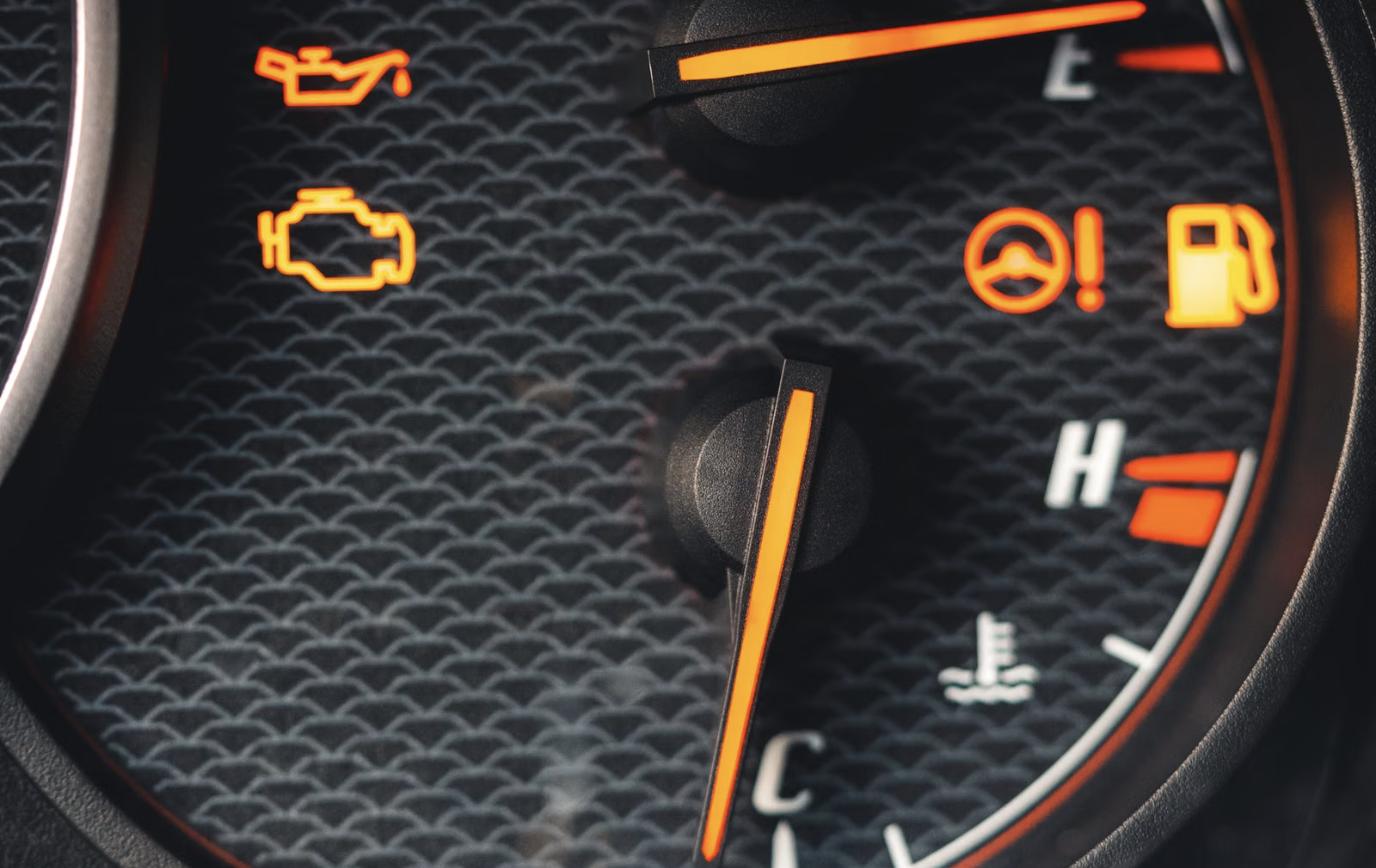
Four automakers made recall or safety news over the past two days, and one of them — Ford — accounts for more than 226,000 of the affected vehicles by itself. None of these have been covered here yet, so here’s a plain-English rundown of what’s wrong, who’s affected, and what to do about it if one of these is sitting in your driveway.
Ford Explorer: A Passenger Airbag That May Not Open As Intended
Ford has recalled a small batch of 2026 Explorer SUVs built at the Chicago Assembly Plant after discovering the active vent on the passenger-side front airbag may not open the way it’s supposed to during a crash. That vent is designed to manage how quickly the airbag inflates and deflates; if it doesn’t function correctly, the airbag may not protect the passenger as intended in a collision.
Only seven vehicles are affected (NHTSA campaign 26V581), all built around August 2, so the odds of owning one are slim — but if you do, Ford will replace the passenger airbag module free of charge. Owners can check their VIN directly through NHTSA’s recall lookup or call Ford Customer Service at 1-866-436-7332. It’s the latest entry in a recall count that’s been climbing all year — see our breakdown of Ford’s 2026 recall tally topping 10 million vehicles.
Ford Mustang Mach-E: A Software Miscalculation With a Fire Risk Attached
This one’s worth paying closer attention to even though only 86 vehicles are involved. On 2023-2025 Mustang Mach-E models that received a replacement battery energy control module, Ford found the replacement part initializes as if the battery were in perfect health — 100% state of health — instead of inheriting the battery’s actual condition. That mismatch can cause the instrument cluster to overstate the remaining charge, which can trigger unexpected power limits or a total loss of drive power. Ford also says the miscalculation can increase lithium plating inside the battery cells, creating a “potential thermal venting condition” that could lead to a battery fire.
The fix is a free software update at the dealer (NHTSA campaign 26V582). Ford plans to send interim letters between October 26-29 and remedy notifications between December 28-31, but owners don’t have to wait for mail — the NHTSA recall record and a VIN lookup will confirm whether a specific vehicle is included. This isn’t the Mach-E’s first recall of the year, either; a factory adhesive problem sent 86,543 Mach-Es back to dealers in August.
Ford Bronco: A Skipped Manufacturing Step Threatens Curtain Airbag Performance
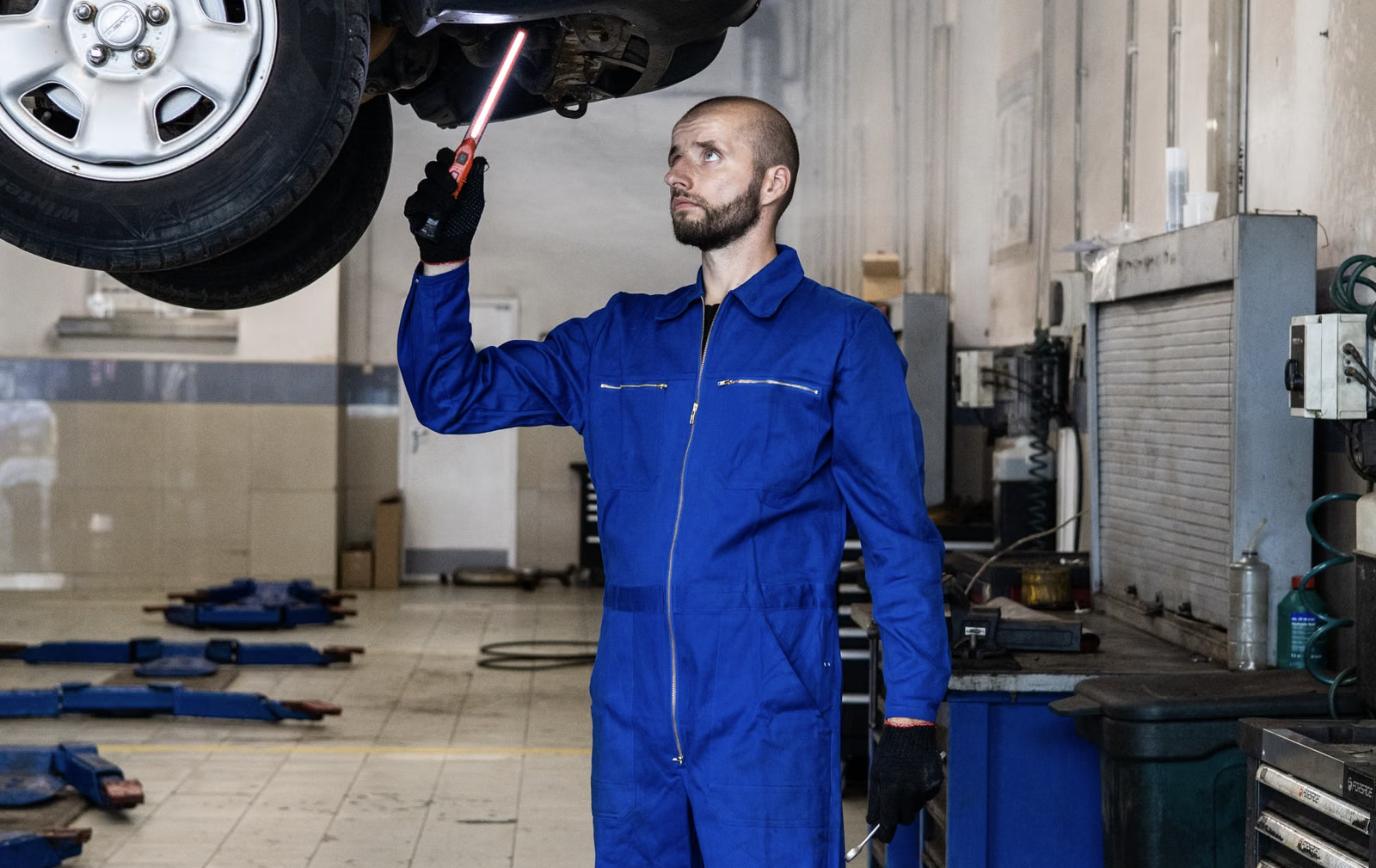
Ford is recalling 2,711 Bronco SUVs built between June 27 and July 26 at the Michigan Assembly Plant in Wayne after finding a metal burr on the right-side curtain airbag’s mounting bracket. According to Ford, a supplier skipped a deburring step after a production-layout change, and that leftover burr can tear the airbag as it deploys — which means it could lose pressure faster than intended and offer less protection in a side-impact crash. There’s no dashboard warning for the condition, so owners won’t know unless they check their VIN.
Interim customer letters went out September 15, with remedy notifications expected October 30 or later (NHTSA campaign 26V580). Ford dealers will add clearance between the bracket and the airbag at no charge. This is the Bronco’s second airbag-related recall this year — we covered the stock-swing rumor tied to an earlier Bronco recall back in August.
Ford F-150: Three Separate Recalls, One Very Large Truck Population
America’s best-selling vehicle picked up three unrelated recalls at once, together covering roughly 223,500 trucks.
A fuel tank recall covers trucks where the tank may not be properly secured, risking a fuel leak or a tank that detaches while driving. A suspension recall addresses rear stabilizer rod fasteners that may not be tightened correctly, which can throw off handling. And a rear-axle recall covers trucks with incorrectly manufactured tail bearings that can cause rear-wheel lock-up or driveshaft separation.
Ford will inspect and repair all three issues free of charge — replacing fuel tank straps, stabilizer rod fasteners, and axle tail bearings as needed. Owners can search their VIN through NHTSA using campaign numbers 26V578 (fuel tank), 26V577 (suspension), or 26V576 (rear axle), or call 1-866-436-7332.
Jeep, Wagoneer, and Grand Cherokee Owners: Your TPMS Light May Not Warn You
Roughly 202,000 Jeep Grand Cherokee, Grand Cherokee L, Grand Cherokee 4xe, Grand Wagoneer, Grand Wagoneer L, Wagoneer, and Cherokee models from the 2024-2026 lineup are affected by a software error in the Radio Frequency Hub that can stop the tire pressure monitoring system from detecting low pressure — or from lighting the dashboard warning at all. That matters because a driver could be running on a dangerously low tire with no indication anything’s wrong.
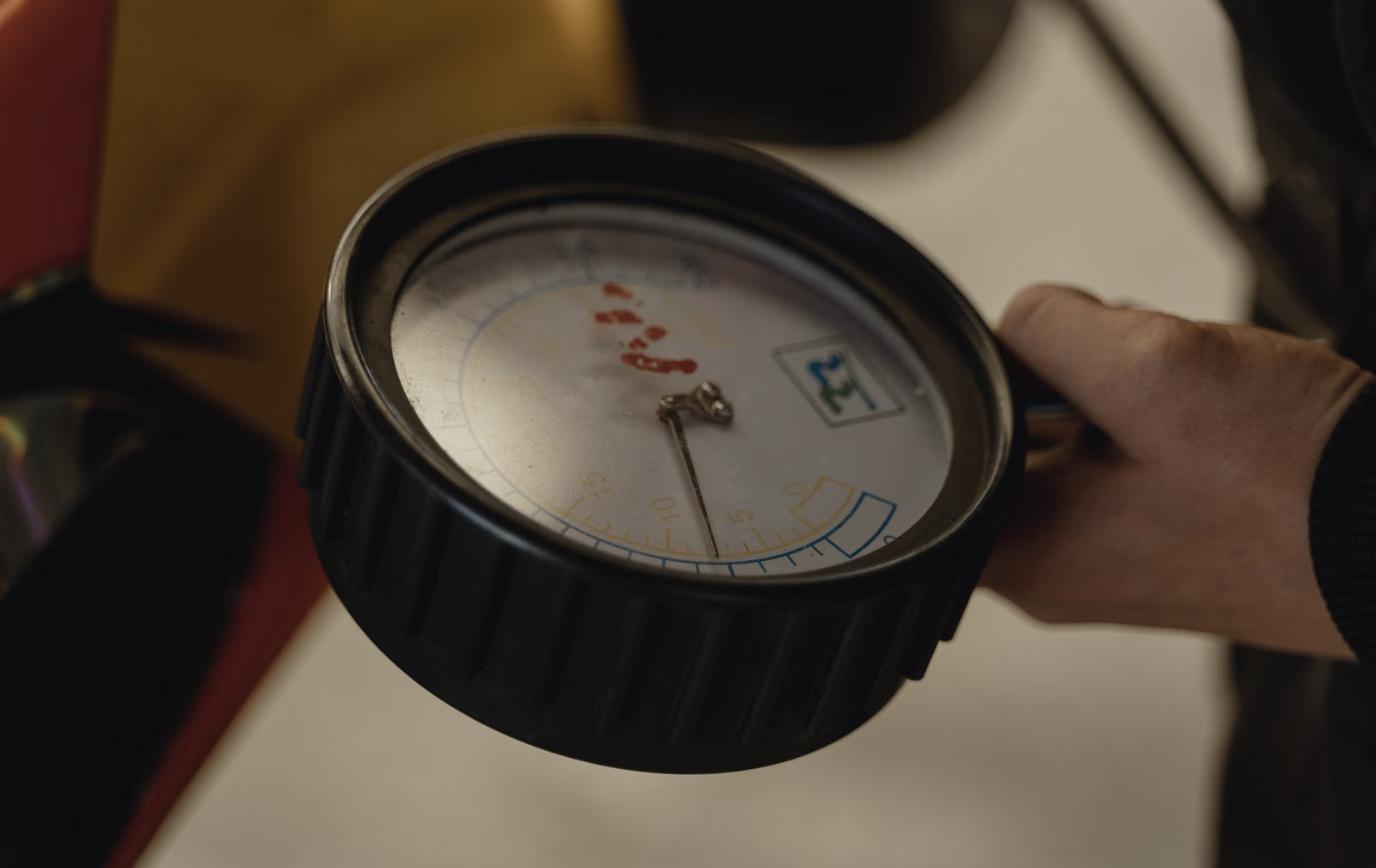
Owner notifications begin September 29 (NHTSA campaign 26V559), and dealers will reprogram the Radio Frequency Hub module for free. In the meantime, it’s worth physically checking your tire pressure with a gauge rather than relying on the dashboard light. This isn’t Jeep’s first software-related safety scare this year — NHTSA has also been investigating engine fires in Jeep models.
Toyota C-HR EV: A Software Bug That Can Cut Power Mid-Drive
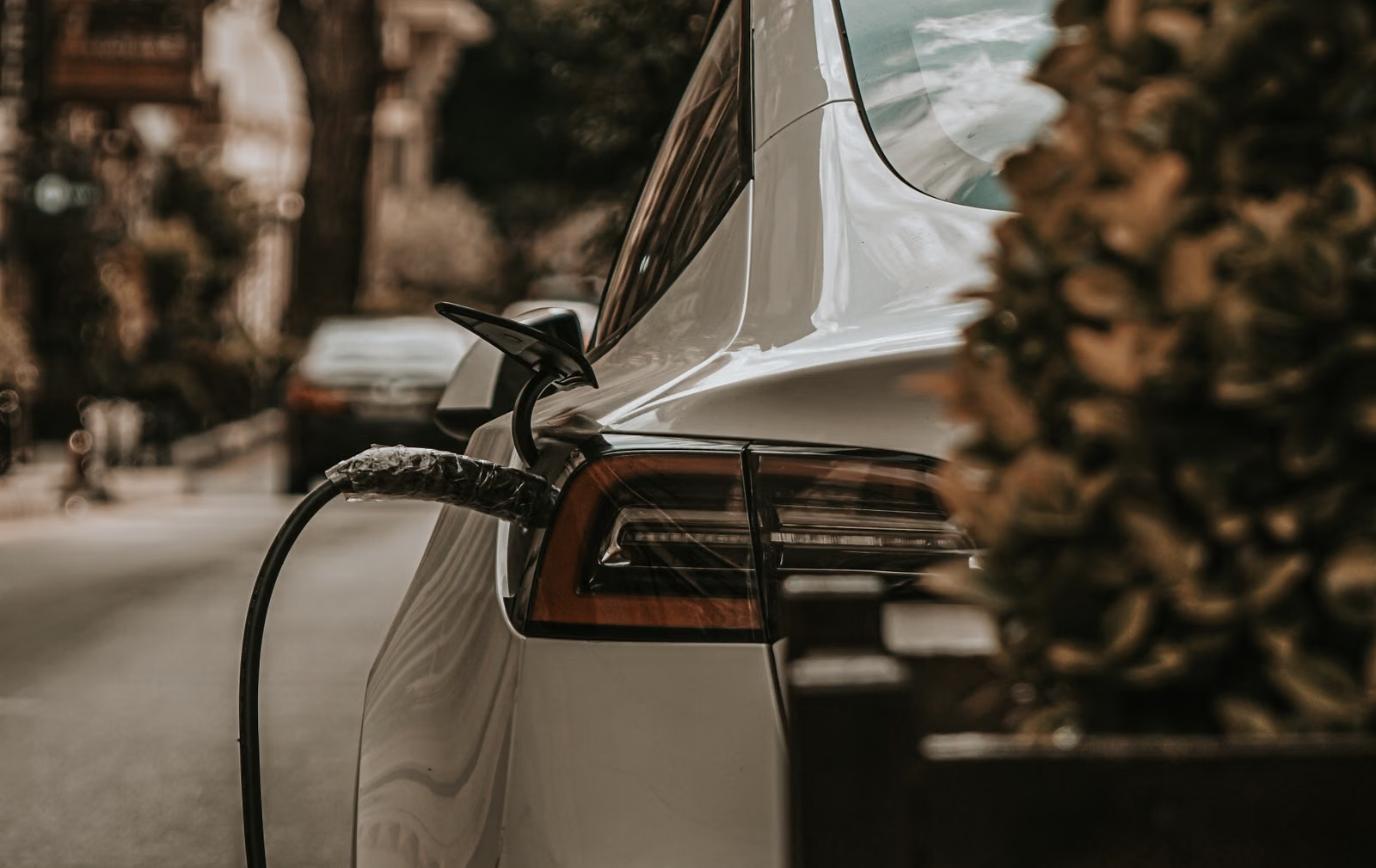
Toyota is recalling 8,521 examples of the 2026 C-HR battery-electric model over a software error that can let the drive battery overcharge under certain driving conditions. When that happens, the electric drive system can shut down entirely, leaving the driver without power. Toyota’s remedy is a free software update to the battery electric vehicle control unit, with owner notifications scheduled for October 18 (NHTSA campaign 26V570). Owners can call Toyota at 1-800-331-4331 and reference recall number 26TA17, or look up their VIN directly with NHTSA. It’s a reminder that even brand-new EV platforms aren’t immune to launch-year bugs — something we touched on in our look at Toyota’s delayed electric Highlander.
Tesla’s Driverless Cybercab Is Now Under Federal Investigation
This one isn’t a recall — it’s a certification fight. A day after Tesla began charging passengers for driverless Cybercab rides in Austin, NHTSA opened an audit query (AQ26002) into whether Tesla properly certified the vehicle under federal motor vehicle safety standards. The Cybercab has no steering wheel, brake pedal, accelerator, or mirrors, and federal rules have historically treated manual controls as a requirement unless a manufacturer secures a specific exemption. NHTSA is examining whether Tesla’s self-certification approach inappropriately assumed those standard requirements didn’t apply. Roughly 1,000 Cybercabs are covered by the inquiry, even though only a fraction were registered and running at the time the probe opened.
There’s no owner action here — this is a regulatory question about whether the vehicles should be certified for public roads at all — but it’s one to watch if you live in or near Austin. It follows a pattern of federal scrutiny on Tesla’s driver-assistance claims; we’ve also covered Tesla’s 1.2 million-vehicle suspension probe and California’s warning over a possible Autopilot sales ban.
What To Do If Your Vehicle Might Be Affected
Don’t wait for a letter in the mail. NHTSA’s VIN lookup tool will tell you within seconds whether your specific vehicle is included in any open recall, including ones announced in just the past few days that may not have made it into your dealer’s system yet. Repairs tied to a safety recall are always free, regardless of your vehicle’s age or mileage. If a dealer tries to charge you for a repair listed above, that’s worth pushing back on — and our recalls hub has more on how to know your rights when a recall notice shows up.
Any of these hit close to home — a Mach-E in the garage, a Bronco fresh off the lot, an F-150 you use for work? What would it take for you to actually act on a recall notice instead of letting it sit on the counter?