
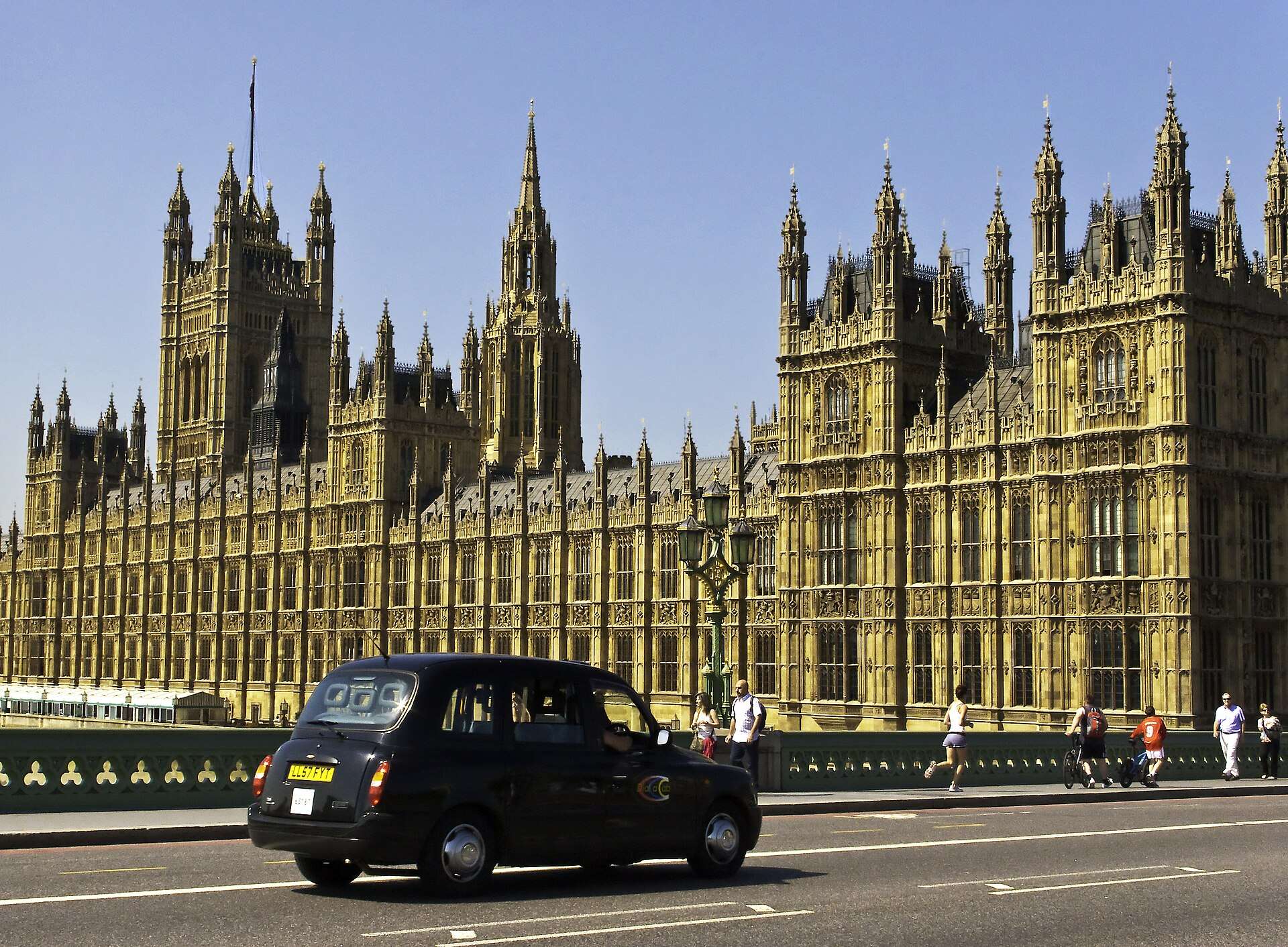
On Sept. 28, 2020, a magistrate in London handed Uber back the right to operate in its biggest European market. The Uber London license ruling looked like a local fight between a tech company and a transit regulator. It was also the first clear test of a question every robotaxi company now faces: can a regulator pull an operator off the road because of how its systems behave, and what does it take to earn that permission back?
Six years later, California used the same answer on Cruise, and Waymo, Tesla, Zoox and Uber itself operate under it now.
What Happened on Sept. 28, 2020
Deputy Chief Magistrate Tan Ikram, sitting at Westminster Magistrates’ Court, ruled that Uber was “fit and proper” to hold a London private hire operator’s license despite what he called its historical failings. ITV News reported that the judge granted Uber an 18-month license with conditions.
The case was an appeal. Transport for London (TfL) had refused to renew Uber’s license in November 2019, citing a “pattern of failures” that put passengers at risk. The most serious one: a flaw that let unauthorized drivers upload their photos to other drivers’ accounts and pick up passengers under someone else’s identity. CNBC reported at least 14,000 trips were affected.
Uber did not argue that TfL had been wrong. It acknowledged its earlier response had been inadequate. Instead, Uber argued it had fixed the problems. By then it had rolled out a new driver identity check that paired facial recognition with human review, which went live in April 2020, according to CNBC.
The judge was not ruling on whether TfL’s 2019 decision was right. He was ruling on whether Uber, as it stood in September 2020, could be trusted. Fleet News reported his finding that Uber’s security changes had “plugged the gaps” regulators identified.
Why It Mattered at the Time
London was Uber’s largest European market, with about 45,000 drivers and 3.5 million users, according to CNBC. Losing it would have put tens of thousands of drivers out of work overnight and handed the market to rivals.
It was also the second time. TfL first refused Uber’s license in 2017, citing a lack of corporate responsibility with public safety implications. Uber won a short probationary license on appeal in 2018. So by 2020, the question wasn’t whether Uber had failed. It had, twice. The question was whether a company could fail, fix the specific systems regulators flagged, and keep operating.
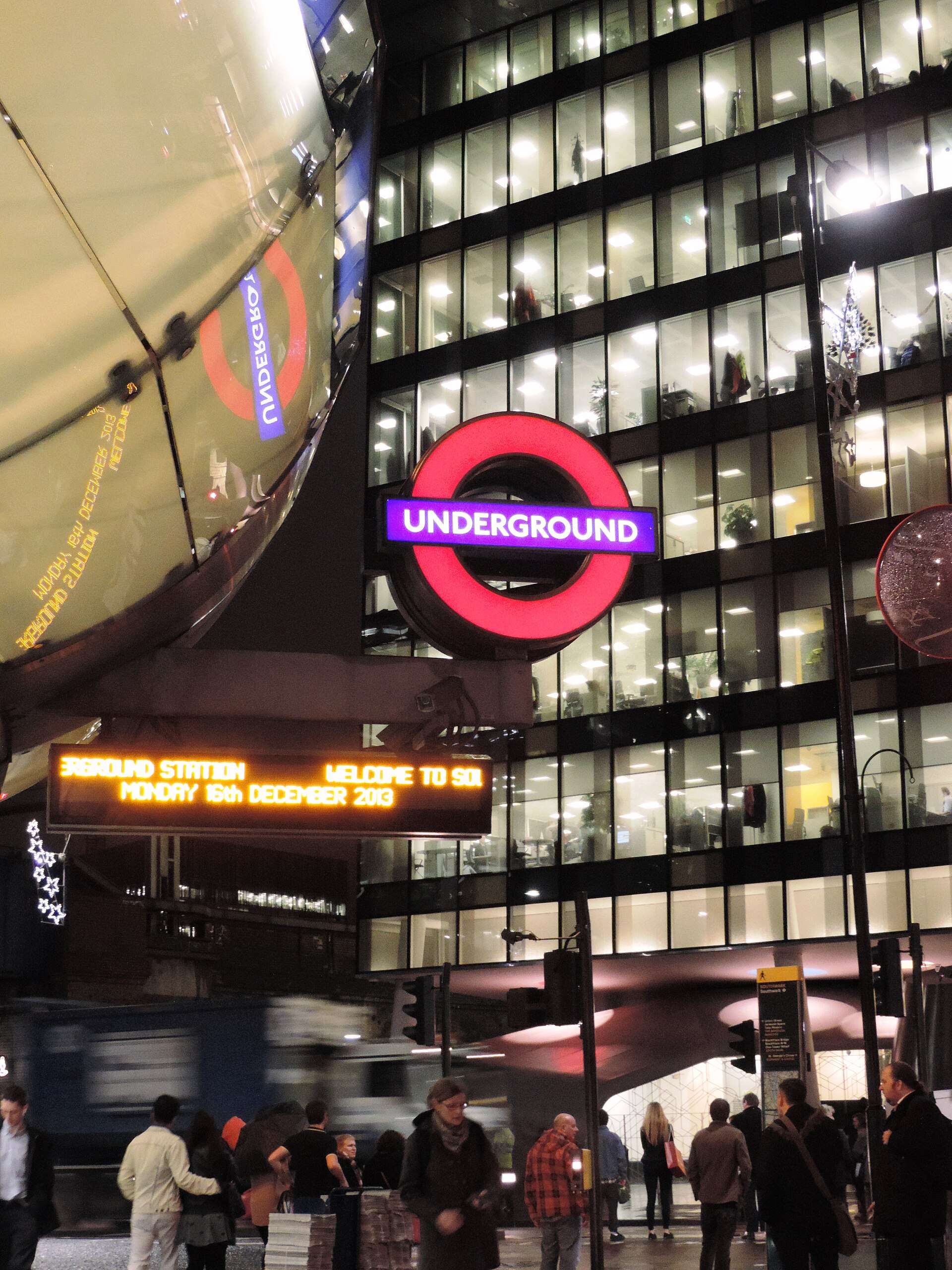
The court said yes, with conditions. The ruling did not clear Uber’s record. It treated the license as something tied to the company’s current systems and conduct, which could be pulled again if those slipped. The general secretary of the Licensed Taxi Drivers’ Association called the result “a disaster for London”, and London Mayor Sadiq Khan said TfL had been “absolutely right” to refuse the license the year before. TfL lost the appeal but won the argument: Uber only got its license back by rebuilding the systems TfL objected to.
Uber has kept operating in London since. TfL renewed its license for 30 months in March 2022. A separate legal fight over how Uber treats its drivers ended at the UK Supreme Court in February 2021, which ruled in Uber BV v Aslam that Uber drivers are workers entitled to minimum wage and holiday pay.
How the Uber London License Ruling Shapes Robotaxis Today
The Uber fight was only partly about taxis. Underneath it was a question about whether the software that decides who drives a paying passenger can be licensed the way a human driver is. Robotaxi companies are fighting over that same question now.
Three years after the London ruling, California applied the same logic to a driverless car company. On Oct. 24, 2023, the California DMV suspended Cruise’s driverless permits after one of its robotaxis dragged a pedestrian earlier that month. The DMV said the vehicles were not safe for public operation and that Cruise had misrepresented information about the safety of its technology.
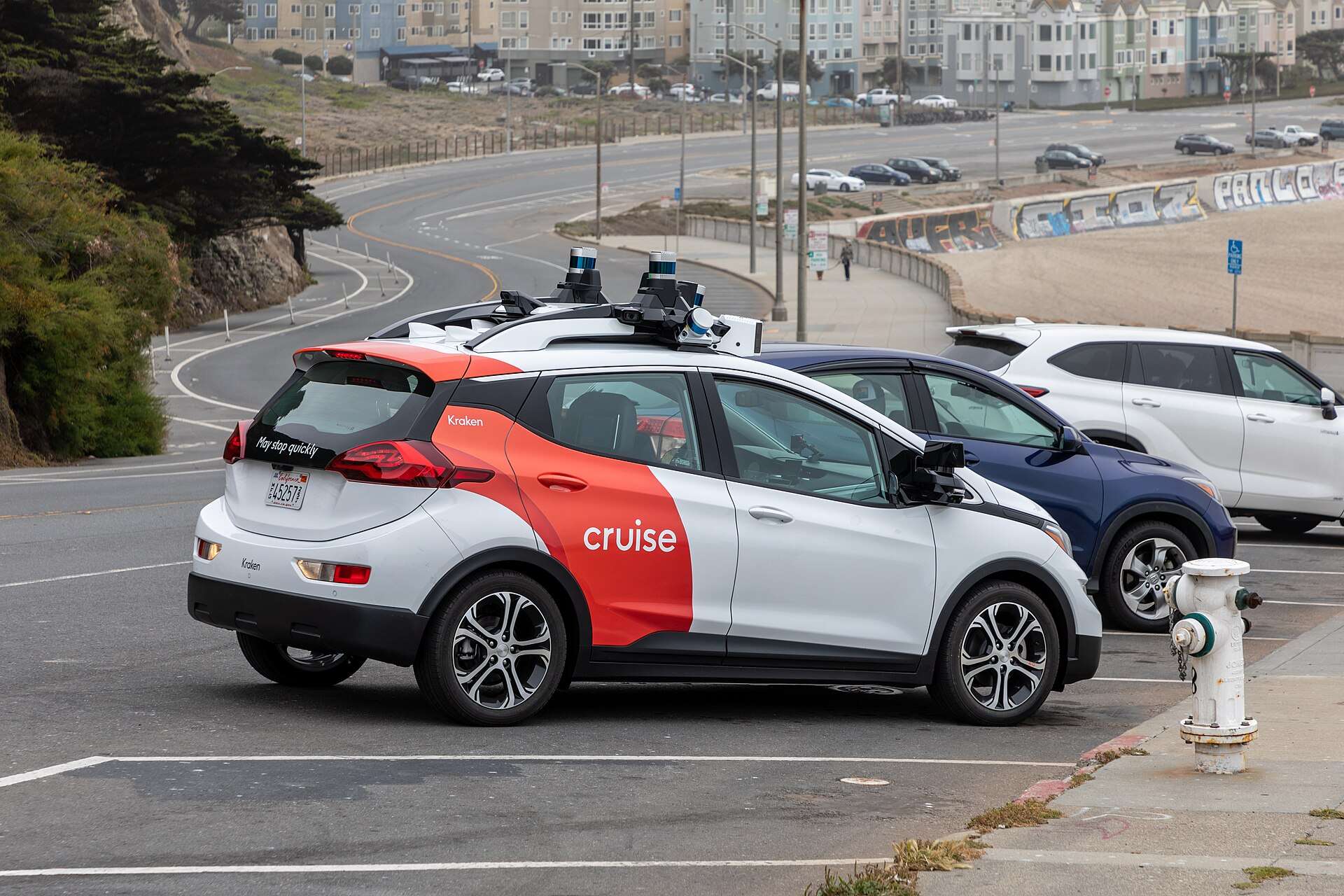
Uber’s path in London shows what Cruise needed to do: admit the failure, rebuild the system, and prove it to a regulator. Cruise never got there. GM stopped funding Cruise’s robotaxi development in December 2024 and cut about half of Cruise’s staff soon after. The difference between the two outcomes was not the severity of the failure. It was whether regulators believed the company’s account of what went wrong.
London is back in the picture, too. On Sept. 2, 2026, Uber and Wayve began offering supervised autonomous rides in London, and every one of those cars still carries a TfL-licensed private hire driver. That driver is there because Uber’s right to operate in London still runs through the same licensing system it nearly lost in 2019. Waymo began testing in London in April 2026 with safety operators aboard, and fully driverless service there still depends on the UK finishing the rules under its Automated Vehicles Act 2024.
What It Means for U.S. Drivers and Riders
In the United States, the question London settled in 2020 is being answered state by state, and not always the same way. California uses a permit system that regulators can suspend, and it recently expanded Waymo’s paid driverless service across 18 counties. Even so, Zoox has found that a federal exemption doesn’t let it charge riders in San Francisco without separate state approvals.
Other states give local officials far less say. In Georgia, state law blocks Atlanta from regulating Waymo robotaxis, so the city couldn’t do what TfL did even if it wanted to. And at the federal level, Tesla self-certified its pedal-free Cybercab, and federal regulators only later asked to see that paperwork.
For riders, it comes down to geography. Whether someone can stop a ride-hail or robotaxi company from operating after a safety failure depends on where you live. London built a system where the operator’s license is always on the line. Many U.S. cities have no equivalent power at all.
For drivers, the case shows why identity checks keep getting stricter. The London fraud involved people driving under someone else’s photo. The industry’s answer, facial recognition checks backed by human review, is now part of the job for many ride-hail drivers.
For automakers and tech companies, the lesson is the one Cruise learned too late. A robotaxi license is not a one-time approval of a vehicle. It is ongoing trust in a company, and regulators can withdraw it when a company’s systems or its account of them stop holding up.
Fail, Fix, Prove It
Sept. 28, 2020, set a standard for companies that put paying passengers in cars they don’t personally drive: you can fail and keep operating, but only if you fix the exact systems regulators flagged and prove it. Uber passed that test. Cruise didn’t. Every robotaxi company expanding today is working under some version of the same rule.
Should cities have the power to pull a ride-hail or robotaxi company’s license after a serious safety failure, or should that decision belong only to state and federal regulators?