
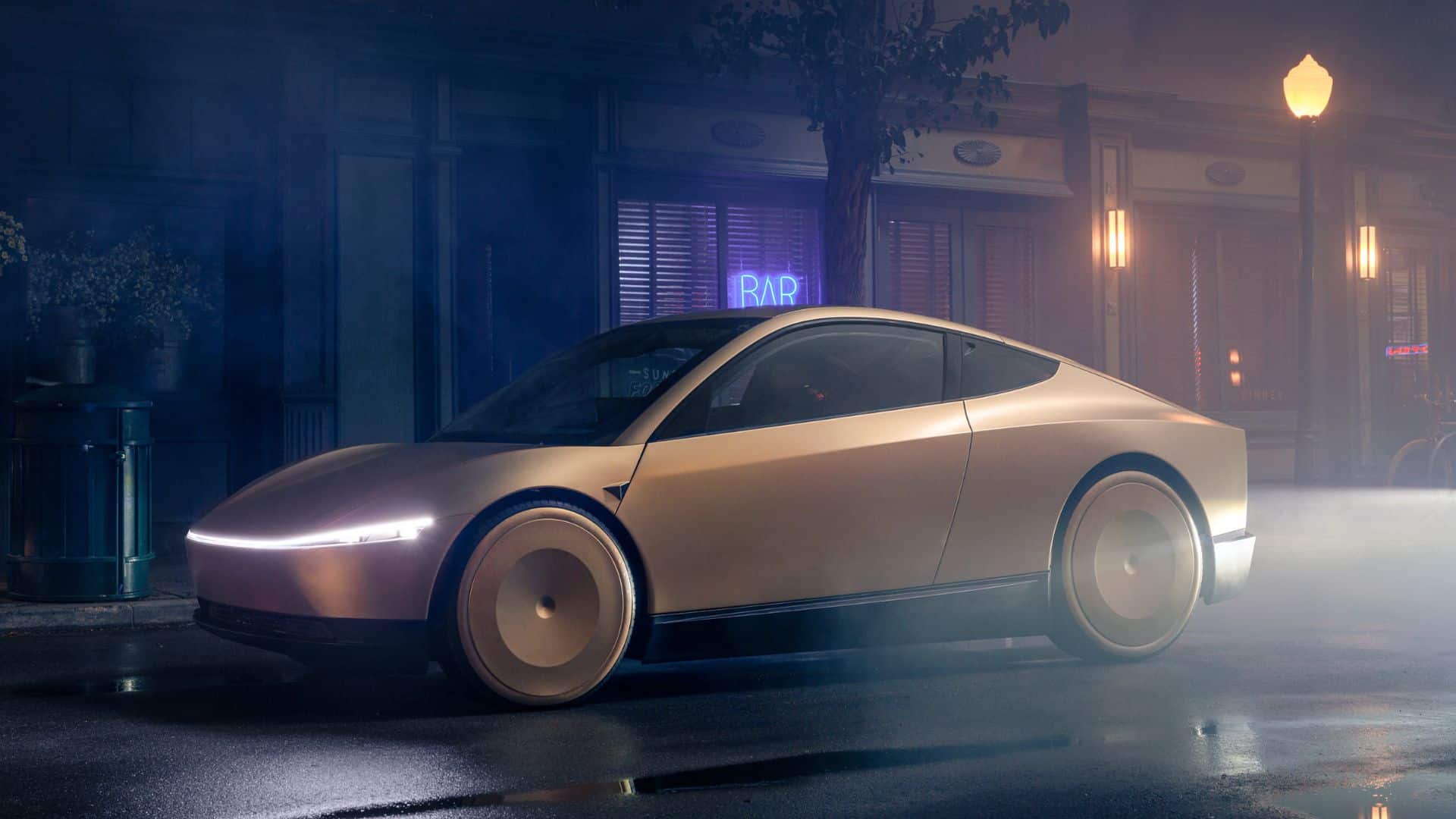
A driverless Tesla Cybercab with no steering wheel and no brake pedal has been picking up paying passengers in Austin for weeks. Nobody in Washington approved that design before it happened. In the United States, nobody has to.
On September 4, the National Highway Traffic Safety Administration opened what it calls an Audit Query into Tesla’s Cybercab, the two-seat robotaxi the company has begun running commercially in Austin, Texas. The target isn’t a crash, a fire, or a failed part. It’s paperwork. NHTSA wants to see the technical basis Tesla used to certify, on its own signature, that a vehicle built without a steering wheel or pedals still satisfies every Federal Motor Vehicle Safety Standard that applies to it.
How Self-Certification Actually Works
Self-certify is not shorthand I’m applying loosely. It’s the term Tesla itself uses in its own annual report to describe how any car reaches American roads. Unlike Europe, where regulators run a type-approval process and sign off on a vehicle before it can be sold, the United States runs on an honor system. A manufacturer builds the car, tests it against federal standards, and files paperwork attesting that it complies. Nobody at NHTSA inspects the vehicle first. The agency polices the market afterward, through crash data, complaints, and, when something looks off, exactly the kind of audit it just opened on the Cybercab.
That system has worked for six decades because it assumed something the Cybercab doesn’t have: a person behind the wheel, ready to override the machine, and, just as importantly, a physical wheel and pedals for large stretches of the rulebook to regulate in the first place. Strip both away and a lot of quiet assumptions buried inside the FMVSS stop being quiet. Tesla’s own securities filings acknowledge the gap directly, warning that while NHTSA has updated some standards for autonomous vehicle design, plenty of others still don’t account for it.
The Rulebook Is Still Catching Up
The Cybercab isn’t a side project. Tesla built a dedicated production vehicle around the idea: bench seating for two, a center touchscreen, and nothing resembling a manual control, then layered it onto a Robotaxi network the company says already reaches six U.S. metro areas. That’s real capital committed to a business that only works if the cars can carry paying passengers with nobody licensed to drive sitting inside. Waiting for Washington to finish rewriting the rulebook was never going to fit that timeline.
NHTSA has actually noticed the pedal-and-wheel problem, and it has been moving through it methodically rather than quickly. In June, the agency proposed eliminating the requirement for a manual brake pedal in vehicles built exclusively for automated driving, one of eight separate rulemakings now underway to rewrite standards originally written around windshield wipers, mirrors, transmission shifters, and tire placards for a driver who may no longer exist. That proposal was still just a proposal when Tesla started charging Austin riders. NHTSA’s own announcement of the audit says existing standards remain in force until that rulemaking work is finished. Tesla did not wait. It decided, in its own certification paperwork, that a rulebook built for pedals didn’t apply to a car with none to regulate.
What an Audit Query Actually Threatens
That distinction matters for what happens next. A defect investigation looks for something that hurts people. An audit query looks at whether the compliance logic holds up on paper. If NHTSA ultimately decides Tesla’s self-certification doesn’t survive scrutiny, the fix isn’t a bolt-on part like an airbag inflator or a software patch pushed out overnight. The alleged shortfall would be load-bearing: the absence of a wheel and pedals is the design, not a component riding along inside it. Unwinding that could mean pulling cars from paid service, engineering manual controls back into a vehicle built to never need them, or seeking exemptions the company chose not to pursue the first time around. None of that is cheap, and none of it is fast.
The Playbook Everyone Else Is Watching
Every company chasing a controls-free robotaxi is watching this outcome, whether or not the Cybercab specifically sits on its roadmap. Tesla’s bet was that revenue now was worth moving ahead of a rulemaking still in progress. If this audit closes quietly, that bet becomes the industry playbook: certify first, let the rule catch up later. If it doesn’t close quietly, every manufacturer eyeing a steering-wheel-free vehicle just learned that the self-certification honor system has a limit, and that limit gets tested the moment the human being the rulebook was written around is removed from the car.
The interesting part of this story was never the missing steering wheel. Tesla removed that on purpose, in public, with a marketing page to match. The interesting part is that self-certification was built on the assumption a driver would always be there to catch whatever the paperwork missed. Tesla just found out what happens when that assumption gets tested with the driver gone.
Should Tesla have waited for NHTSA’s rulemaking before putting a pedal-free Cybercab into paid service? Tell us what you think in the comments.