
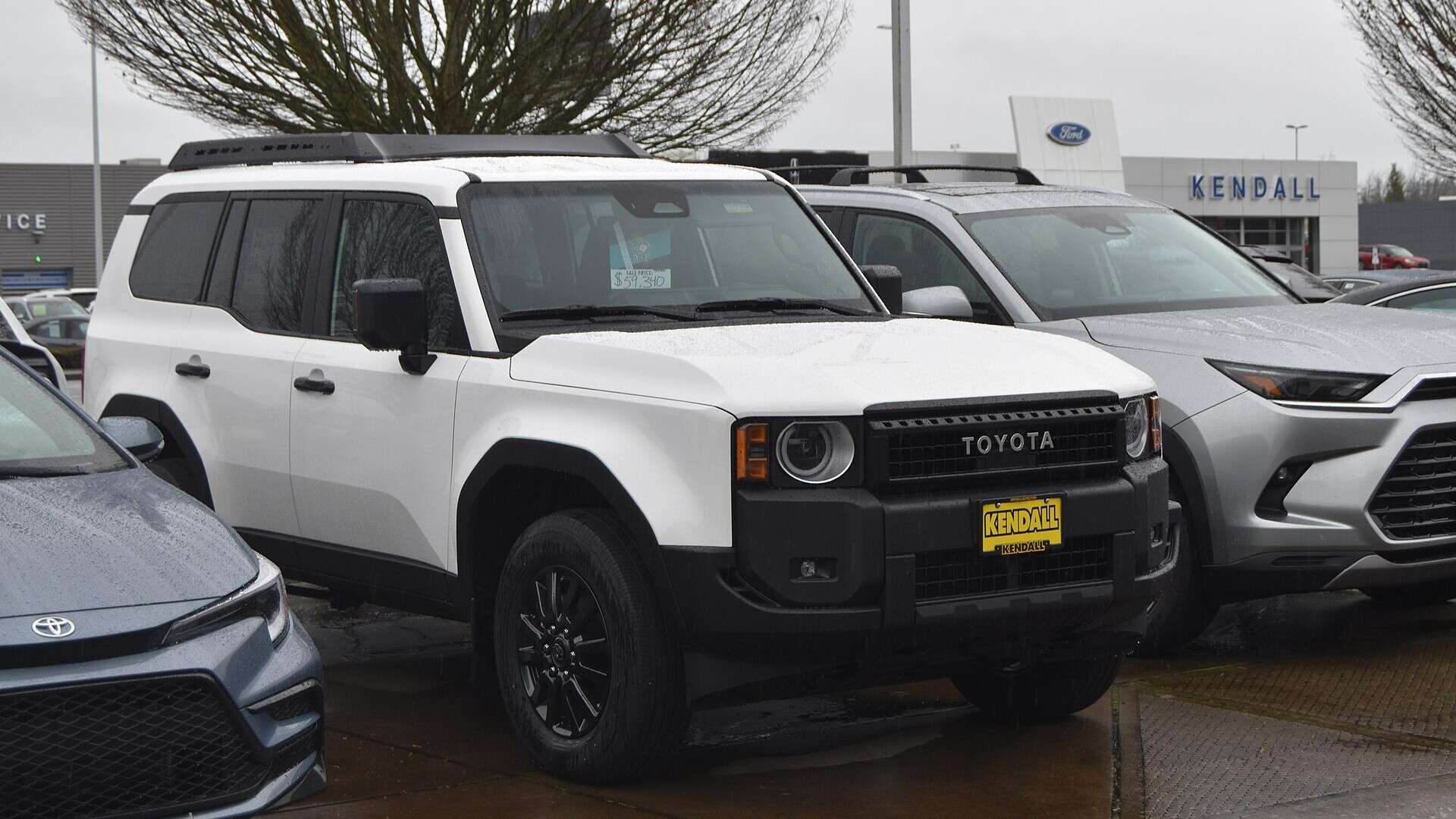
Toyota’s newest recall covers about 106,000 Land Cruisers from model years 2024 through 2027, which is every model year the nameplate has carried since it came back to the U.S. in spring 2024. All of them get the same repair: a dealer inspects one fuel tube joint near the tank and fits a clamp so it can’t pull apart. Toyota says owners will be notified by mid-December, which is close to the latest date federal rules allow.
What Toyota disclosed on Oct. 14
In its Oct. 14 recall announcement, Toyota said a fuel tube connection near the fuel tank could come apart, letting fuel leak “until the engine in the hybrid system shuts off.” Leaking fuel near an ignition source raises the risk of fire. Dealers will inspect the connection and add a supplemental clamp. If the inspection calls for it, they will also replace the resin fuel tube before installing the clamp. The repair is free.
The release is brief. It doesn’t say what caused the joints to loosen, which production dates are affected, or whether any leaks, fires or injuries have been reported. Those details normally appear in the Part 573 Safety Recall Report a manufacturer files with NHTSA. When I checked the agency’s recall database on Oct. 15, it showed no fuel-system recall for any 2024 to 2027 Land Cruiser, so Toyota’s filing hadn’t been posted yet. Until it is, the press release is the only official account.
How a snap-together fuel line comes loose
“Resin” is Toyota’s word for plastic. Automakers have used plastic fuel tubing with push-on quick connectors for years. The tubing weighs less than steel line, it doesn’t rust, and an assembly-line worker can join it without tools. The couplings are common enough that SAE International keeps a recommended practice for them, J2044, the Quick Connect Coupling Specification for Liquid Fuel and Vapor/Emissions Systems, most recently revised in May 2025.
A typical quick connector holds by a retainer that snaps over a raised ring on the tube end. If that retainer isn’t fully seated, or the parts are slightly out of spec, the joint can pass inspection and then work loose over months of heat cycles and vibration under a body-on-frame SUV. Toyota hasn’t said whether either of those is the cause here. Either way, the clamp is a mechanical backup that holds the joint together even if the original latch doesn’t. Because the remedy also includes replacing the tube “if necessary,” dealers will likely be looking for tube ends already damaged by a joint that has started to move.
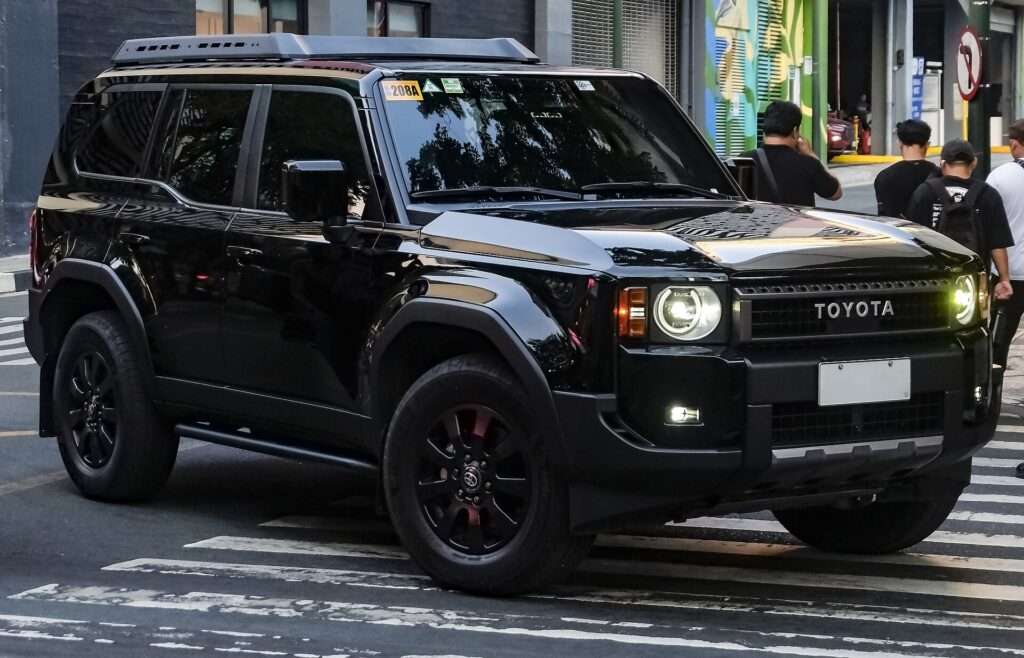

Toyota ties the leak to the engine running, which points to the supply side of the system, where a pump pushes fuel from the tank toward the engine. A separated joint there doesn’t seep like a cracked tank seam. It keeps losing fuel for as long as the gasoline engine runs. In the Land Cruiser, that engine is a turbocharged 2.4-liter four-cylinder paired with a 48-hp electric motor built into the eight-speed transmission. Toyota says the 2027 Land Cruiser still comes only with that i-FORCE MAX hybrid, so there is no non-hybrid U.S. version to exclude. That helps explain why the recall reaches from the first model year to the newest.
Mid-December is the regulatory deadline
Toyota’s timing follows a rule. Under 49 CFR 577.7, a manufacturer must send owner notices no later than 60 days after it files its defect report with NHTSA. Toyota’s release is dated Oct. 14 and calls its information current as of the filing date. Sixty days from Oct. 14 is Dec. 13. “By mid-December” uses nearly all of that time.
The 60 days give a manufacturer time to get parts and instructions to dealers, so the first call an owner makes doesn’t end with “we don’t have the clamp yet.” The rule covers the other case too. If the remedy isn’t ready when letters go out, the manufacturer has to send a second notice once it is. Toyota hasn’t said whether the clamps and replacement tubes are in stock now.
The letter carries the safety message. Under 49 CFR 577.5, it must assess the safety risk and describe any precautions owners should take before the repair. Toyota’s public release includes no precautions. A Land Cruiser owner who doesn’t follow recall announcements could drive for two more months without an official word from Toyota about a fuel leak in their vehicle.
What Land Cruiser owners can do before the letter
Check the VIN now at Toyota’s recall lookup or NHTSA’s. Toyota says its list of involved vehicles is current as of the filing date and may change, so a clean result this week isn’t final. Check again after NHTSA posts the filing.
Take a gasoline smell seriously. This is my advice, not Toyota’s, since the release offers no interim guidance. If you smell raw fuel around a vehicle with a known fuel-leak defect, park it outdoors, away from the garage and the house, and call the dealer instead of driving it there. Toyota’s Brand Engagement Center is at 1-800-331-4331.
Keep the receipt if you pay for a repair to this joint before your letter comes. Under 49 CFR 573.13, manufacturers need a plan to reimburse owners who paid for a fix before notification. For a defect recall with no NHTSA engineering analysis, the reimbursement period starts one year before the manufacturer notified NHTSA and ends no earlier than 10 calendar days after the last owner letter is mailed.
Toyota’s other recent Land Cruiser and hybrid recalls
This is not the redesigned Land Cruiser’s first recall. In May, Toyota recalled about 82,000 vehicles, including 2024 and 2025 Land Cruisers along with Mirai, Lexus UX and GX models, because part of the combination meter display could go blank at startup and hide warnings. That one was a software update. This one is hands-on work under the vehicle, and every Land Cruiser in the recall gets at least an inspection.
Toyota has also kept dealers busy with other hybrids this month, including the 2026 RAV4 Plug-in Hybrid power-loss recall announced Oct. 7. And the Land Cruiser isn’t a niche product: Toyota’s 2025 year-end sales report listed the Land Cruiser Hybrid among its models with a best-ever year. Toyota dealers now have to inspect each of the roughly 106,000 SUVs in this campaign.
The next document to watch for is Toyota’s Part 573 report on NHTSA’s site. It should show the production range, the number of field reports Toyota knew about, the supplier of the tube or connector, and the date Toyota decided to recall. If that supplier makes the same part for other Toyota or Lexus vehicles, this recall may not be the last one tied to it. Owners who want other open campaigns in one place can find them in our recent recall roundup.
Should a manufacturer have to warn owners of a fuel-leak fire risk within days, even before the parts are ready, or is waiting until dealers can do the repair the better approach?