
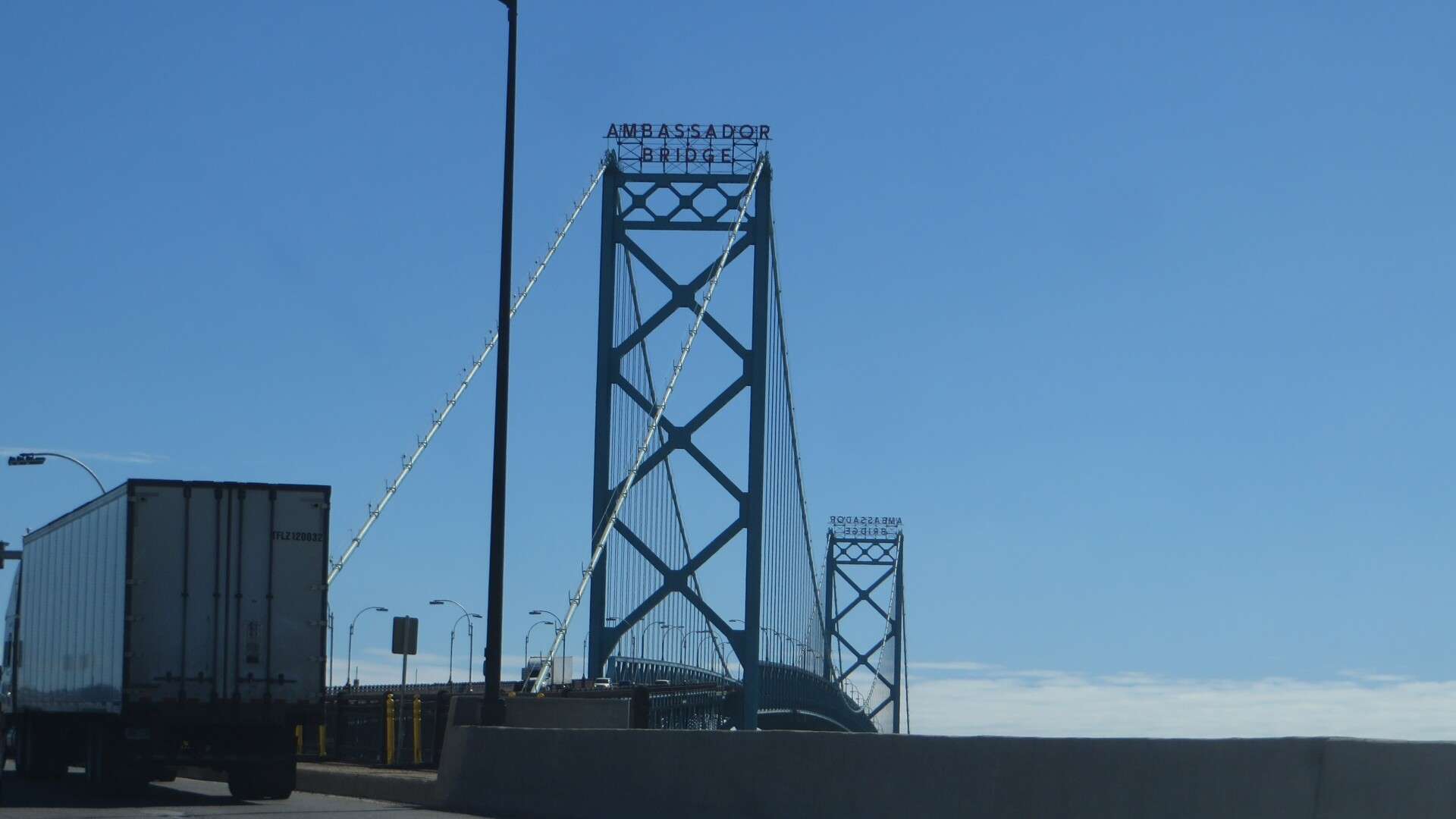
President Donald Trump said over the weekend that he and Canadian Prime Minister Mark Carney have “the concept” of a trade deal, and that building the Keystone XL pipeline is part of it, according to the Associated Press. Nothing is signed. The paper the White House has actually issued on Canada since July is a 50% tariff on a list of Canadian goods, imposed to pressure Ottawa over the tariffs it puts on U.S.-built vehicles. Car buyers on both sides of the Detroit–Windsor border have a stake in that fight. Nobody has said how it ends.
Plenty said, nothing signed
Trump said he spoke with Carney on Saturday, Oct. 31, and Carney’s office confirmed the call to CTV News, Bloomberg’s BNN reported. Carney posted on Sunday that it was a constructive conversation, and the AP reported that negotiators are to work toward an agreement in the coming weeks. Trump said farmers would pay no tariffs on Canadian products under the deal and acknowledged the final details were not set. The AP also reported that the talks have covered possible relief from U.S. tariffs on Canadian steel and automobiles, with no terms announced.
By Nov. 3, speaking in Antigua and Barbuda, Carney said talks had become more intense since the call. He said progress had been made but the work was not finished, and that U.S. negotiators were asking for less and offering more without yet closing the gap, BNN Bloomberg reported. Trump told Fox News a deal would come very soon. Carney had said on Oct. 28 that the two countries would not reach an agreement before the Nov. 3 midterm elections, per the AP. BNN reported that no date has been given for Canada’s chief negotiator to return to Washington.
The 50% tariff is about Canada’s vehicle tariffs
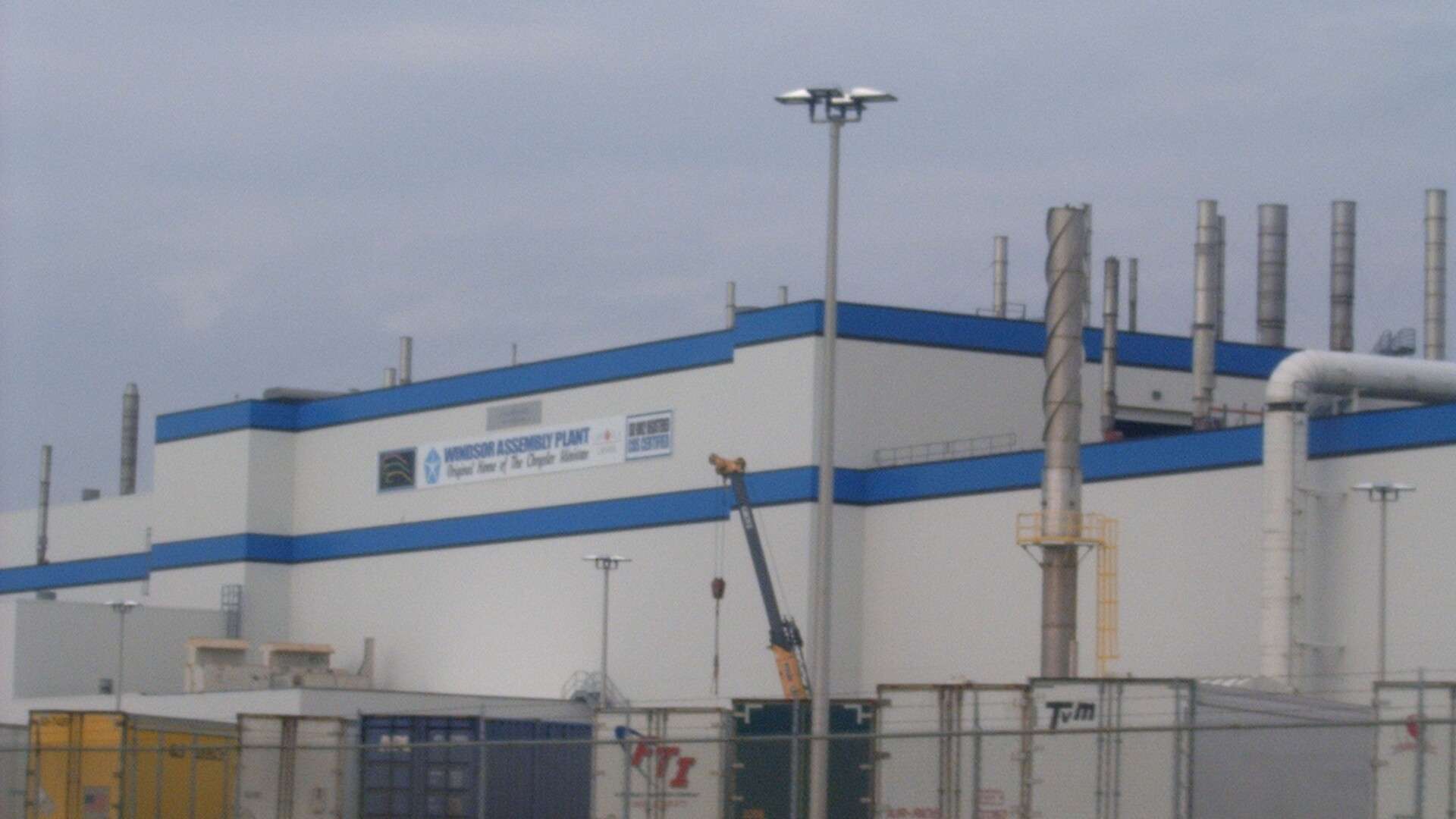
The tariff traces to a July 20 proclamation signed under Section 338 of the Tariff Act of 1930. It put an additional 50% duty on products of Canada listed in an annex and excluded anything already covered by Section 232 duties. The proclamation’s stated reason is Canada’s treatment of U.S. vehicles. It finds that Canada has charged a 25% tariff since April 9, 2025, on U.S. vehicles that do not qualify under USMCA. On those that do qualify, Canada charges 25% on the non-Canadian, non-Mexican content, up to 85% of the vehicle’s value. Each automaker also gets a duty-free quota, and the proclamation says Canada cut quotas for U.S. companies that moved manufacturing to the United States. In its words, “Canada only applies the tariff scheme to U.S.-origin motor vehicles.”
The administration counts U.S. vehicle exports to Canada down about 22%, from roughly $25.9 billion to $20.3 billion, comparing April 2025 through March 2026 with the year before, while imports from Mexico and other countries rose. The Auto Wire covered the damage from Canada’s counter-tariffs in July.
The duties were due to start Aug. 19. An Aug. 18 proclamation suspended them for three days to allow talks, moving the start to Aug. 22. A Sept. 8 proclamation says Canada reneged on its commitment and ceased negotiating in good faith on Aug. 21, and that the duties took effect when the suspension lapsed. Canada’s account, as the AP reported it, is that it walked away from talks in August after rejecting U.S. demands that Carney said threatened Canadian sovereignty, French-language protections and the auto industry. The AP reported that Trump answered with 50% tariffs on roughly $20 billion in Canadian goods.
The product list keeps moving. A White House fact sheet dated Oct. 23 describes a revision effective Oct. 30 that removed plywood, some paper products, certain machinery and refrigeration equipment, and packing crates, and added valves, carpets and waste products. The same fact sheet says the Section 338 duties apply regardless of USMCA origin and on top of Section 232 tariffs.
Finished vehicles fall under a separate tariff
The 50% Section 338 duty does not reach vehicles that Section 232 covers. According to the U.S. Trade Representative’s July 1 autos report to Congress, vehicles from Canada face a 25% Section 232 tariff, and for USMCA-qualifying vehicles the tariff applies only to the non-U.S. content if the Commerce Department approves the importer’s submission. The report says 99.0% of U.S. vehicle imports from Canada claimed USMCA preference in 2025, against 92.9% from Mexico. Industry estimates cited in the report put U.S.-origin content in Canadian-built vehicles at 50% in 2024, down from 85% in 2017.
Take a hypothetical $40,000 Canadian-built vehicle with 50% U.S. content. The 25% applies to the other $20,000, which is $5,000 owed by the importer. That is The Auto Wire’s arithmetic, not a government estimate, and whether an automaker passes any of it to the sticker price is the automaker’s call. It does show why falling U.S. content matters: each point of content that moves off the U.S. side of a Canadian-built vehicle adds to the taxable base.
Keystone XL and farm tariffs do not appear in the July 20 proclamation’s findings, which rest on vehicles. A deal that covers a pipeline and farm goods but leaves Canada’s quotas and the Section 232 stack as they are would not address the grievance the proclamation itself states.
How fast the terms can change
The Oct. 23 fact sheet says Section 338 lets the President suspend, revoke, supplement or amend these proclamations when the public interest requires. The White House has used that power repeatedly: a three-day suspension in August, a scope change on Sept. 8, another on Oct. 23. A signed deal could lift the duties in a day. The August suspension lapsed after three days, so they can come back just as fast.
Should Washington lift the 50% tariff on Canadian goods before Canada changes its tariffs on U.S.-built vehicles, or hold it until Ottawa moves first?