
Cade Kirchner is 11 years old, and as of Tuesday, Sept. 29, he has a not-guilty plea on file in Seminole County, Florida, to a second-degree misdemeanor: driving a motor vehicle that was never registered with the state.
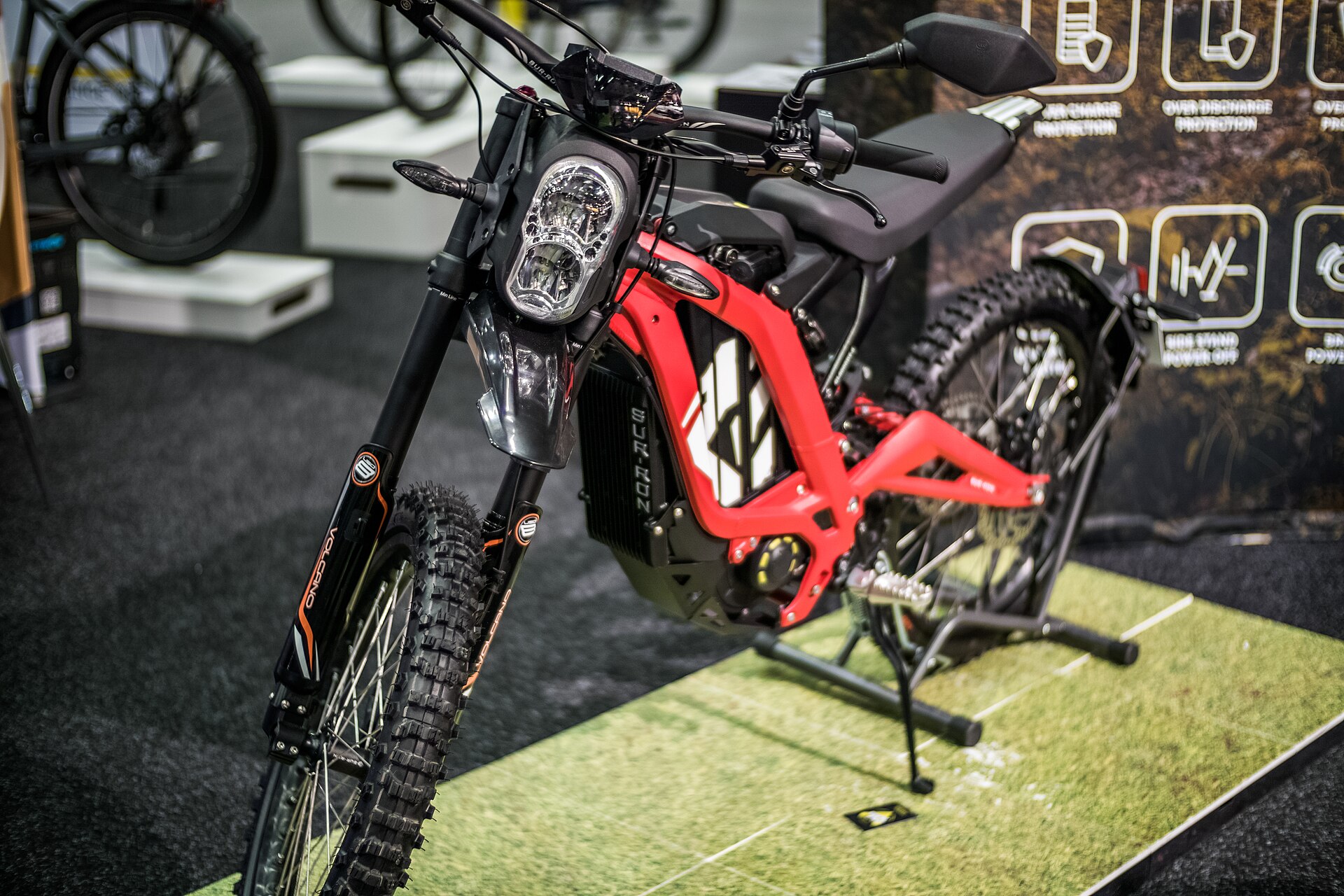
The vehicle is an electric dirt bike he bought with $900 earned from a summer business selling squirrel tables, WKMG reported. Oviedo police stopped him on Labor Day, Sept. 7, while he rode the shoulder of a road about 300 feet from his house with a fishing pole, headed for water near Sweetwater Park. The officer fingerprinted him, had a city wrecker tow the bike and handed him a court date.
The City of Oviedo’s statement to WOFL Fox 35 is short. The vehicle, the city said, was “a 4500-watt motorcycle without any pedals,” and to be legal on the roadway it would need to be registered and meet D.O.T. requirements. The officer wrote a single citation, under Florida Statute 320.02.
Tuesday’s hearing lasted less than two minutes, according to WKMG. Defense attorney Samuel Filler entered the plea, and the judge set the case to continue Dec. 2. Court documents show no prior criminal history, and like anyone charged, he is presumed innocent. His father, Chris Kirchner, said the State Attorney’s Office told him it is pursuing charges but did not say which ones.
Pedals and watts: why Florida calls it a motorcycle
Florida settles what this bike is in the definitions section of its traffic code, s. 316.003. An electric bicycle needs fully operable pedals, a seat and a motor under 750 watts, with assistance that cuts out at 20 or 28 mph depending on class. A moped also needs pedals, plus a motor of no more than 2 brake horsepower. A motor vehicle with a seat, three or fewer wheels and neither of those qualifications is a motorcycle.
A 4,500-watt motor is roughly 6 horsepower. That is six times the e-bike ceiling and three times the moped cap, so bolting on pedals would not have changed the answer. California uses the same 750-watt and working-pedals test, and it has been pushing license plates for e-bikes after accidents jumped 18.6 times in five years. This month Orange County offered up to $1,000 in gift cards for e-motorcycles that fail the test.
No one has named the bike. Neither the city nor the family has given a make or model, so there is no manufacturer spec sheet to hold the 4,500-watt figure against.
The 20 mph versus 50 mph dispute
The speed is disputed. Chris Kirchner told Fox 35 the bike “is capped at 20 miles per hour.” In body camera footage aired by WKMG, the officer says: “He’s driving a dirt bike, 4,500 watts, 50 miles an hour.” The reporting does not establish whether 50 was a radar reading, an estimate or the bike’s rated top speed, and the city’s written statement mentions only the wattage and the missing pedals.
For the charge, the number does not matter. Nothing in the motorcycle definition turns on how fast the rider was going.
Why an unregistered dirt bike ended up in court
Section 320.02(1) requires every owner or person in charge of a motor vehicle operated on the roads of this state to register it. The penalty sits elsewhere, in s. 320.57: a violation of that chapter is a second-degree misdemeanor unless otherwise provided. In Florida that carries up to 60 days in jail and a $500 fine.
The chapter does provide otherwise for some drivers. A car whose registration lapsed six months ago or less is a noncriminal infraction under s. 320.07(3)(a), punishable as a nonmoving violation. A vehicle that was never registered gets no such carve-out, which is why an 11-year-old’s citation came with a mandatory appearance and a fingerprint instead of a fine to mail in.
His age does not move the case to juvenile court. Under s. 316.635(1), the court that hears traffic violations has original jurisdiction over any minor accused of breaking a law pertaining to the operation of a motor vehicle. The same statute lets a judge hold a minor who willfully skips a hearing in contempt, with up to five days in a juvenile detention center or staff-secure shelter for a first offense. The family says the officer warned them a missed date could bring a warrant.
The citations he did not get
The traffic report WKMG obtained lists four problems: no registration, no insurance, no motorcycle endorsement and no eye protection, which s. 316.211(2) requires of anyone operating a motorcycle. On the body camera, the officer puts the count higher: “You could have gotten six criminal violations, but I’m giving you one.” Nothing released so far identifies the other two.
One of the four could never have been fixed. Florida will not issue a learner’s license before 15 or a driver license before 16 under s. 322.05, so no amount of paperwork would have made Cade legal on a public road aboard this bike. Off the road is a different chapter. Florida titles dirt bikes that are not licensed for highway use as off-highway motorcycles, and a 4,500-watt machine ridden on private land does not need a plate.
What happens at the Dec. 2 hearing
His parents have said he was wrong and that a warning would have been enough. His father called the case “one of the most absurd over-reaches of justice I’ve ever seen.” Cade told WKMG he is now scared to ride the bike. The next hearing is Dec. 2, and whatever the State Attorney’s Office files before then will show whether prosecutors keep the single registration count or add the violations the officer chose not to write.
An 11-year-old with a fishing pole got fingerprinted, towed and summoned, and the state still has not said what it is charging him with. Should the officer have written a warning and sent the bike home, or does a 4,500-watt motorcycle on a public road earn a court date no matter who is riding it?
Sources: City of Oviedo statement to WOFL Fox 35; Oviedo police body camera footage and traffic report as aired and reported by WKMG; Florida Statutes ss. 316.003, 316.211, 316.635, 320.02, 320.07, 320.57 and 322.05; WKMG reporting from Seminole County court, Sept. 29, 2026.