
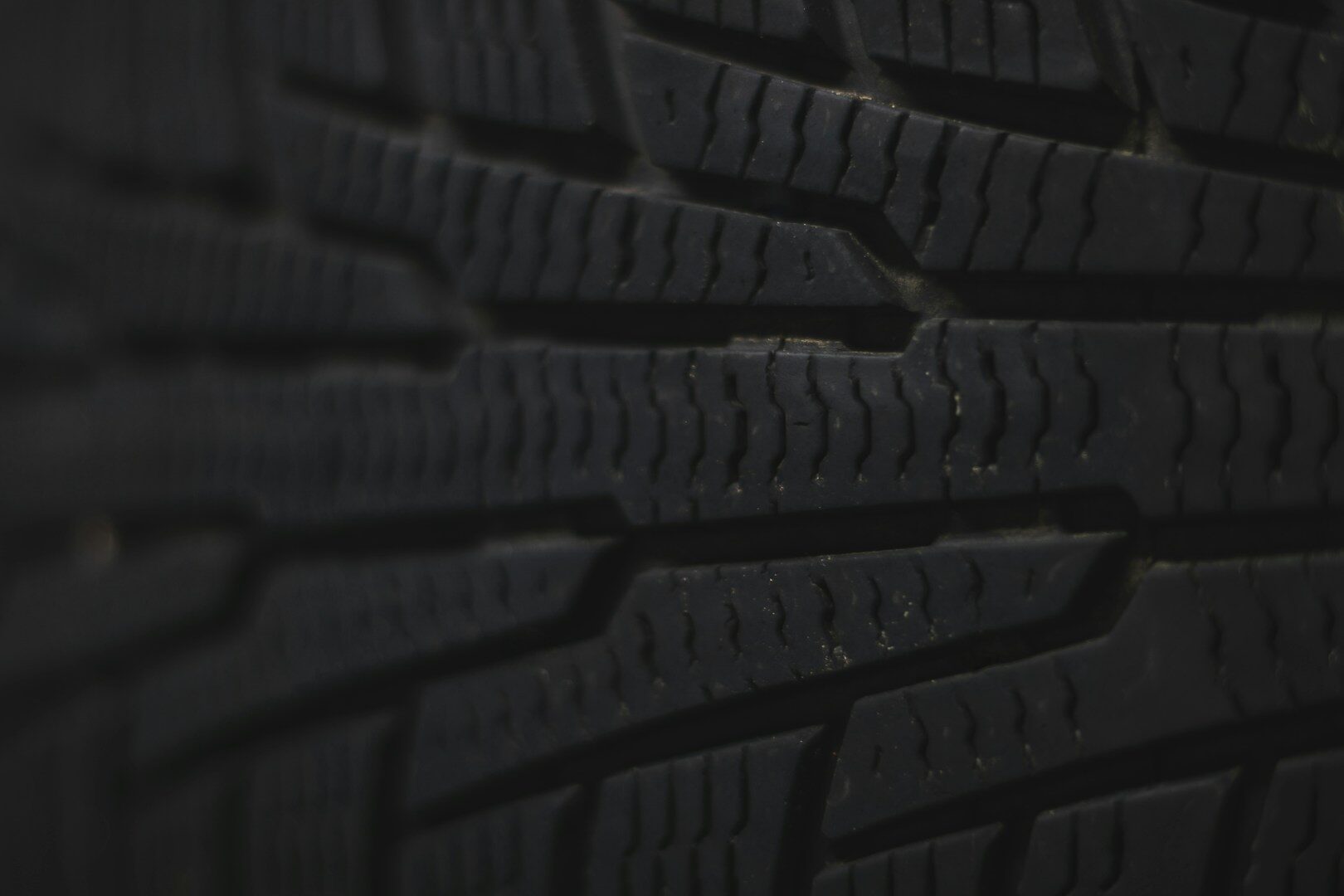
A public comment is supposed to arrive before a vote, not after one. On August 17, the California Energy Commission voted 5-0 to create the nation’s first efficiency floor for replacement tires. Five days later, Dunlop Tires North America sent the state a detailed warning about that same rule. This isn’t a company that missed a deadline. It’s a company that understands where the real leverage lives once the votes are already counted.
Everyone covering this story focused on the vote. The more interesting story is what happens after one.
What Dunlop Actually Said
The Commission’s Replacement Tire Efficiency Program caps rolling resistance, the energy a tire wastes as heat and flex while it rolls, at 9.1 newtons per kilonewton starting in 2029 and 7.2 N/kN starting in 2033. We covered the mechanics of that rule, and the 23-year-old law behind it, in detail already. Dunlop’s statement doesn’t ask the Commission to reverse any of it. Instead, the company, a subsidiary of Sumitomo Rubber Industries, argued that regulators should remember that “a tire is not developed around a single performance characteristic,” and warned that chasing one number could squeeze out “the performance, choices, affordability and competition that consumers depend upon.”
Buyer’s guide: Best Tire Pressure Monitoring Systems and TPMS Tools (2026)
The company drew a sharper line between original-equipment tires, engineered alongside automakers for one specific vehicle platform, and replacement tires, which have to survive whatever a driver’s actual life throws at them: towing, snow, a tight budget, a move from the coast to the mountains. That distinction is accurate. It’s also where the letter gets more interesting than it looks, because of what it quietly assumes is still true.
The Vote Isn’t the Finish Line
A commission vote doesn’t make a California regulation enforceable the next morning. Under the state’s Administrative Procedure Act, an adopted rule still has to survive review by the Office of Administrative Law, which gets up to 30 working days to check the rulemaking record before the text can be filed with the Secretary of State and take legal effect. The Commission has also promised to keep working with stakeholders as it builds out enforcement and testing. That window, not the roll-call vote, is where a technical comment letter still buys influence: over how narrowly an exemption gets defined, how fast smaller suppliers have to comply, how a lab audit actually gets conducted. Dunlop’s letter reads less like a protest and more like a specification request, filed exactly when specification requests still matter.
The Justification That Quietly Expired
Dunlop’s letter leans on one particular piece of reasoning. Original-equipment tires prioritize rolling resistance, the company said, partly because automakers need them to in order to satisfy Corporate Average Fuel Economy rules, the federal fleet mileage standard. That sentence would have been airtight in 2023. It isn’t anymore.
Federal CAFE standards, in place in some form since the 1973 oil embargo, were reset toward far looser targets starting in 2025, and Congress went further than that: the budget reconciliation law signed July 4, 2025 eliminated the civil penalties automakers pay for missing fuel-economy targets at all. The Auto Wire covered CAFE’s effective death that same summer, and the EPA’s separate vehicle carbon rules for cars didn’t survive much longer either. A regulation doesn’t need a formal repeal to stop mattering. It just needs to lose its teeth. CAFE lost its teeth in 2025.
That timeline changes what Dunlop’s letter is actually arguing. If the federal law that used to push OEM rolling resistance downward no longer carries a real penalty, California’s replacement-tire floor isn’t just nudging the aftermarket to catch up with what automakers already do. It may be close to the last fuel-efficiency mandate with any teeth left touching a car sold in the United States. Dunlop’s letter, without saying so directly, reads like a company checking how much heavier that makes the rule sitting in front of it.
Who Actually Gets Squeezed
Not every tire maker is reading this rule the same way, and that split is the real tell. Michelin’s government affairs director told the Commission the new limits are “technically feasible within the defined timeframes.” Dunlop wants the same Commission to slow down and study “the complete economic and environmental lifecycle of a tire.” Those aren’t contradictory readings of the same data. They’re the predictable positions of companies sitting in different spots on the market.
Michelin already builds tires that clear similar thresholds for other regulatory regimes overseas, and it holds OEM contracts that reward low rolling resistance by default. Dunlop’s real concern, buried in a warning about “smaller and specialized suppliers,” is about who doesn’t have that head start: the mid-tier and budget import brands that fill the shelves at independent shops already running on thin margins. A rule that shrinks the number of products on that shelf doesn’t fall on every company in the building equally. It falls hardest on the ones without a parent company that already solved this problem for somebody else’s factory line.
Redirecting the Fix Toward Air Pressure
Dunlop’s letter also floats an alternative worth taking seriously on its own terms: skip the compound redesign, and just get drivers to keep their existing tires properly inflated, using the tire-pressure monitoring systems already required in every new car. It’s a real lever. It’s also a mandate the tire industry didn’t choose either. TPMS became federal law through the TREAD Act, passed in 2000 after Ford and Firestone spent a year explaining why Explorer tires kept failing and rolling the trucks underneath them. A safety fix born out of a rollover scandal is now the industry’s favorite fallback position in an efficiency fight, largely because it asks drivers to change their habits instead of asking manufacturers to change their rubber.
The Part Dunlop Actually Gets Right
One piece of the letter deserves less skepticism: the warning about scrap tires. California already runs one of the country’s largest tire-recycling systems, funded by a disposal fee charged on every tire sold in the state. If a rolling-resistance floor changes how often drivers replace tires, in either direction, it changes the volume feeding that program’s budget. Nobody voted on that consequence on August 17, and nobody at the Commission has said much about it in public. It’s a genuinely underexamined thread in a rule that otherwise got an unusually thorough airing.
What to Remember
The vote decided that California’s tire rule exists. It didn’t decide who survives it, and that fight is happening right now, in comment letters filed after the outcome was already final, over definitions and exemptions and timelines almost nobody outside the industry will ever read in full. Dunlop isn’t wrong that a tire is a bundle of compromises. It’s negotiating which compromise gets forced on it, at the exact moment the federal rule that used to make this argument for the industry, free of charge, quietly stopped charging admission.