
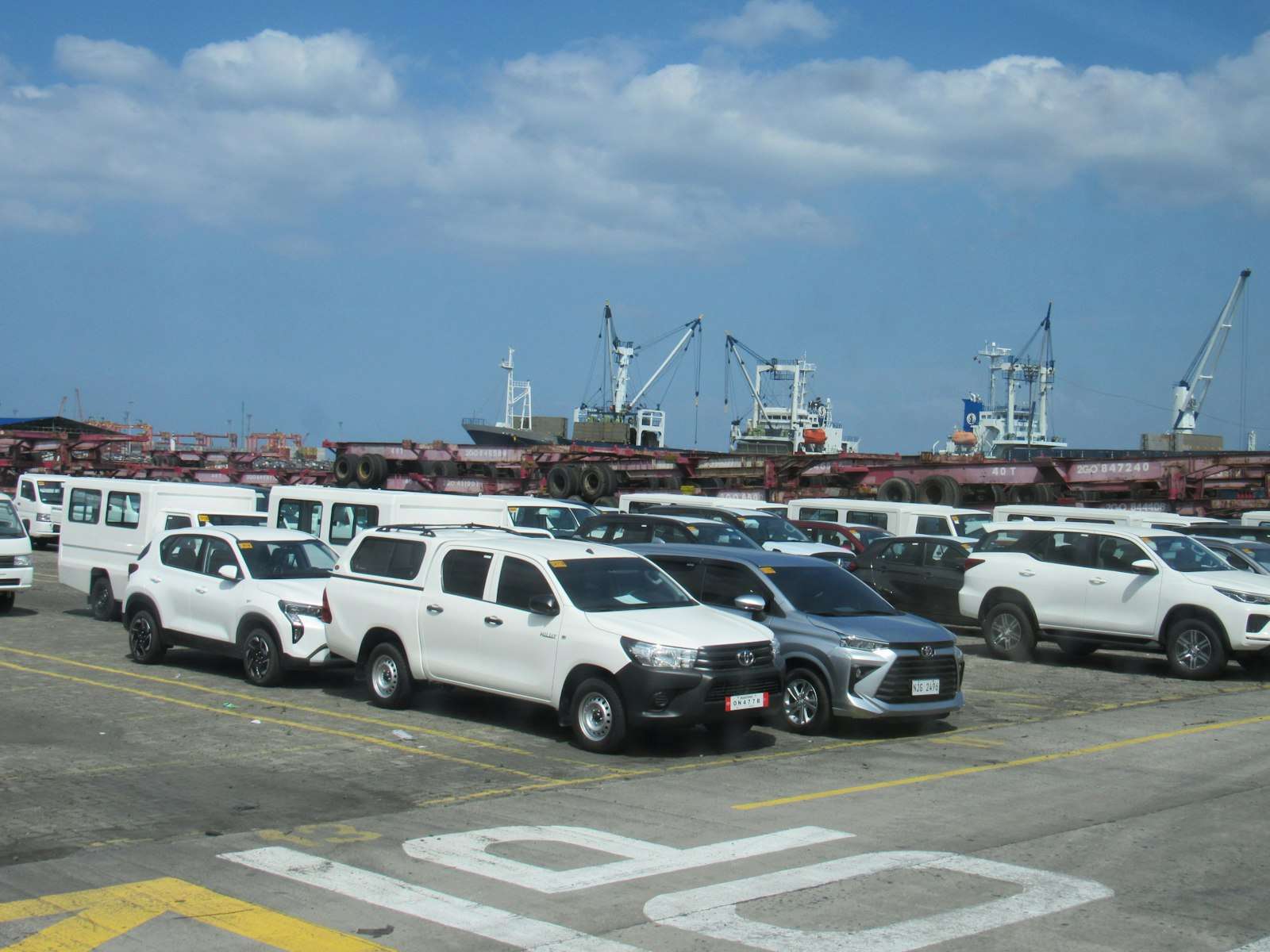
U.S. Customs and Border Protection stopped a record 603 stolen vehicles at the ports of New York and New Jersey over the past year, News 12 New Jersey reported, and at a news conference Thursday at the Elizabeth Seaport in New Jersey, the port director said where those vehicles go next: most of the time, back to insurance companies rather than to the people they were stolen from.
Special Agent in Charge Michael McCarthy of Homeland Security Investigations in Newark put the value of the seized vehicles at $36 million. CBP’s Frank Russo, director of field operations for the New York office, said it is the most the agency has seized in a calendar year and the most it has seized at any U.S. point of entry, according to Hudson County View’s account of the news conference. The cars were headed overseas, roughly half of them to West Africa and about 15 percent to the Dominican Republic, said TenaVel Thomas, CBP’s senior executive port director for the Port of New York-Newark.
Where recovered cars go
Thomas said most of the seized vehicles had already been reported stolen by their owners. CBP hands them to the Hudson County Sheriff’s Office or the New Jersey State Police, which work through the owners’ insurers. Hudson County View reported that this sometimes returns a car to its owner but most of the time sends it to the insurance company, because the owner has already written the car off.
That follows from how a theft claim works. An insurer that pays a total-loss theft claim typically takes ownership of the vehicle and anything later recovered, though policies and state rules differ. Coverage of the news conference did not say whether owners in New Jersey can buy a recovered car back, or how many of the 603 went to owners instead of insurers. The Auto Wire reported the same outcome in March, when stolen Jeep Wranglers turned up in a container at the Port of Baltimore and insurance had already totaled one of them.
Many arrive with identifiers removed: Hudson County View reported that Thomas said most of the recovered vehicles had their VINs scrubbed. McCarthy said that after a theft, the car is “parked at a cool-off spot until the thieves are sure no one is tracking it,” then handed to a freight forwarder and loaded into a container.
A 72-hour rule and $1.8 million in penalties
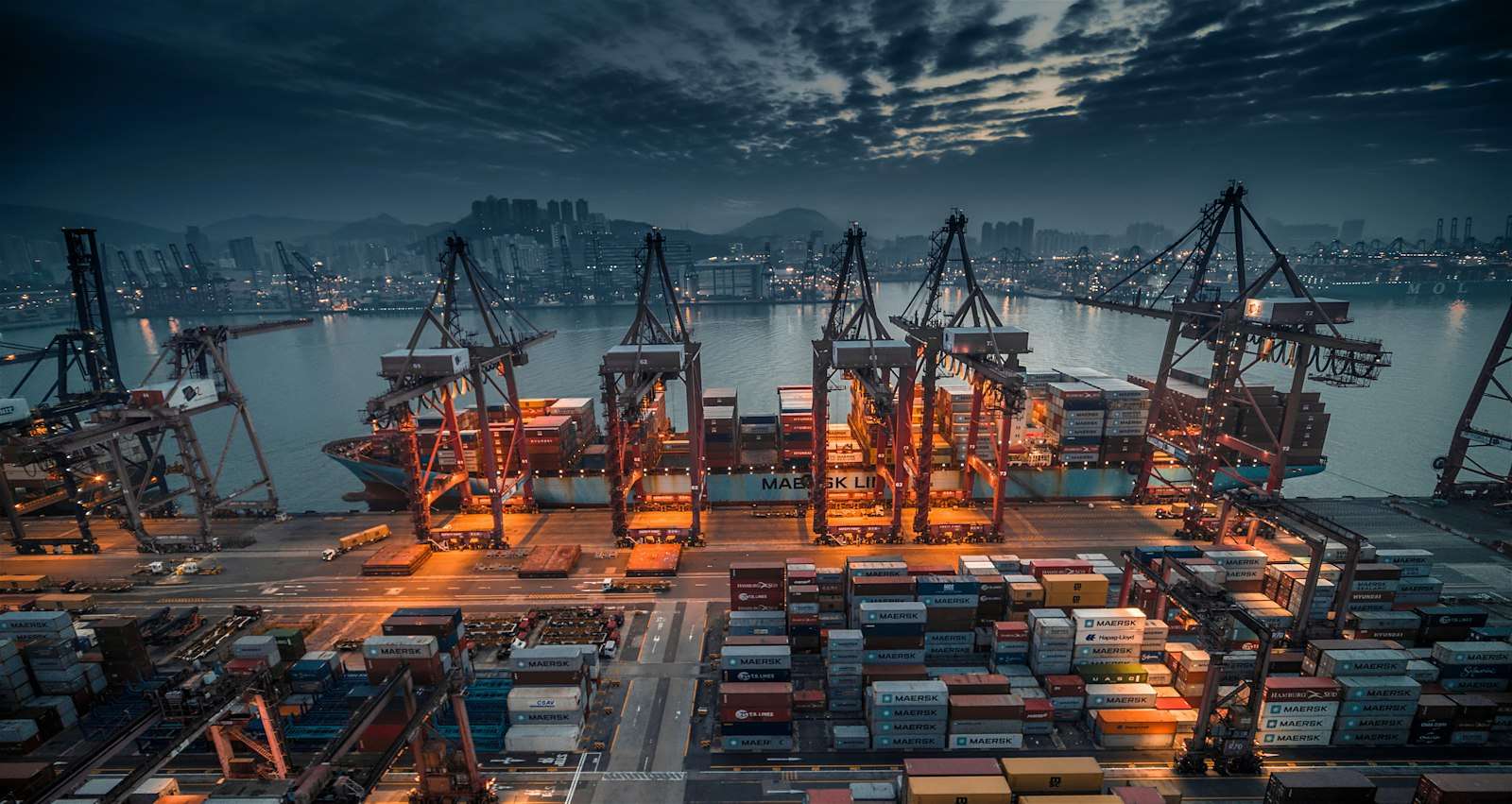
The paper trail is where CBP says it applies pressure. Under 19 CFR 192.2, a person exporting a used self-propelled vehicle by vessel must present the vehicle and documentation that includes the VIN, along with title paperwork, to CBP at least 72 hours before export. Thomas said CBP has penalized freight forwarders that failed to provide required details within that window: more than 530 penalties worth $1.8 million, a count Hudson County View gave as 534.
The Auto Wire’s math: $1.8 million over 534 penalties is about $3,400 each, against an average of roughly $59,700 per vehicle ($36 million over 603). The penalties fall on companies and the coverage does not tie them to individual cars, so the comparison is rough. The coverage does not say which provision CBP used. The federal statute on exporting used vehicles, 19 U.S.C. 1627a, sets a civil penalty of up to $10,000 per violation for knowingly exporting a stolen vehicle and up to $500 per violation for failing to follow the export presentation rules, so penalties averaging $3,400 would have to bundle violations or rest on other authority.
One port, a national supply
In September 2023, CBP reported that the same port had recovered 365 stolen vehicles in fiscal year 2023, worth $21,035,930, in a release on a seven-vehicle seizure. Thomas said then that the port had recovered “one stolen car a day for the entire fiscal year.” Against that figure, 603 is 65 percent more vehicles, though the two counts may not cover identical periods.
Most of those vehicles did not come from New Jersey. Thomas said a majority of the cars leaving through the port come from elsewhere in the country, and some from Canada, and that New Jersey has had a record low number of stolen vehicles. Lt. Col. David Sierotowicz, a deputy superintendent of the New Jersey State Police, said the state’s theft rate fell about 20 percent from last year. McCarthy said the Auto Export Crimes Task Force, formed in September 2020, has dismantled four transnational criminal organizations since 2021, one of them responsible for roughly 30 percent of the stolen vehicles stopped at Port Newark, and that five members were convicted in federal court of conspiring to ship more than 60 stolen vehicles worth $3.5 million to West Africa. This summer, the state police charged 63 people in an alleged luxury-car trafficking ring; charges are allegations, and the cases are pending.
Officials said the theft side runs on young recruits. Thomas said some of those exploited are “children as young as 10 years old.” McCarthy said recruits break into homes or carjack drivers, often for a key fob: “Kids are promised thousands of dollars and told the penalties are light. The adults take the profit, the teenagers take the risk and the handcuffs.” He also described fraud as a second route, in which criminals buy high-end vehicles with stolen identities and the car is already in a container by the time anyone notices.
McCarthy’s message to the networks was that a seized car is where an investigation starts, not where it ends. For an owner whose car is among the 603, the next call is probably to an insurer. When a stolen car is recovered after the claim is paid, should it go back to the owner, with the owner refunding the payout, or stay with the insurer that wrote the check?
Top photo: PortCalls Asia on Unsplash.