
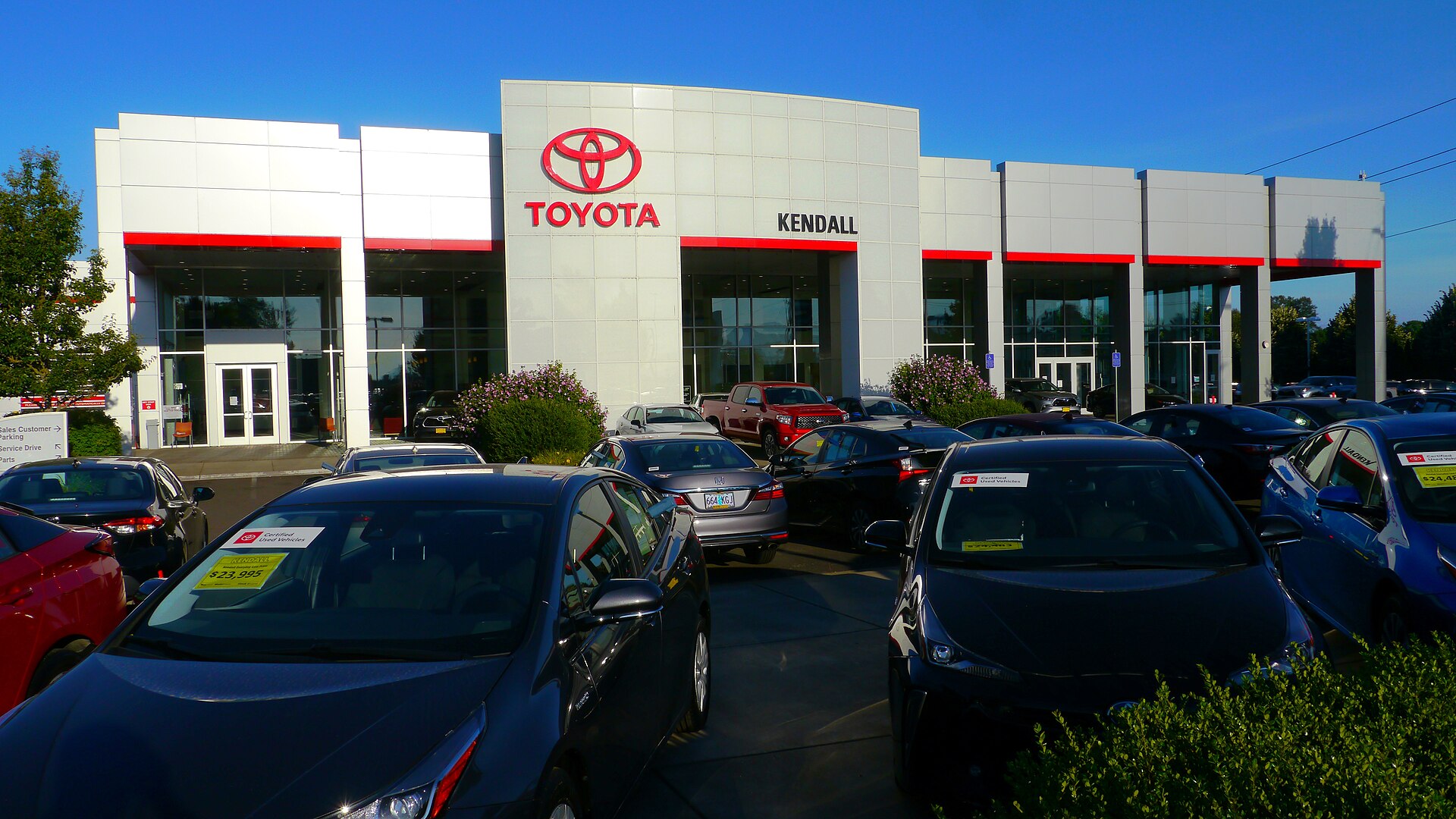
Three Long Island dealerships that operate as Stream Auto Outlet, in Valley Stream, Amityville and Islip, New York, agreed to a federal court order on Nov. 9 after the Federal Trade Commission alleged they advertised cars at prices customers could not actually get. The stipulated order, filed in the U.S. District Court for the Eastern District of New York, sets rules for what Stream may advertise from here on. It contains no fine and no refunds.
The three companies, 324 W Merrick Ave Auto, LLC, 189 Sunrise Auto Amityville LLC and 2232 Sunrise Hwy Auto LLC, neither admit nor deny the allegations in the order. I found no public statement from Stream in the FTC case file or the agency’s press release.
What the complaint says Stream charged
According to the complaint (case 2:26-cv-07217), Stream’s online listings showed an “INTERNET SPECIAL” price. The FTC alleges buyers then had to put down thousands of dollars that the listing did not count. The press release says the required down payment sat in small print on a “details” page hidden behind a popup. The complaint puts the figure at $3,995, and describes one consumer who was told the car would cost $4,000 more after a $4,000 down payment. Other examples include a $4,000 warranty that had to be financed with the loan and a $1,995 dealer prep fee that was left out of the advertised price.
The FTC says it sent Stream a warning letter on March 11, one of 97 sent to dealership groups that month, stating that advertising a price that does not reflect all required fees is illegal. After the letter, the complaint alleges, Stream’s homepage read “NO FEES. NO GAMES. JUST CARS.” and a “No Fees Policy” page promised no surprises at signing. The complaint alleges the written quotes still carried a $2,700 LoJack tracking package, described as required to buy the car, plus an $895 “Theft Protection DNA” product, a $175 doc fee and more than $1,000 in other charges. Per the complaint, the website’s disclaimer repeated the slogan and never mentioned the LoJack or DNA charges. The complaint says Stream’s responses to customer complaints pointed to its disclaimers instead of denying the higher prices.
The doc fee shows how a label can do the selling. The complaint says listings read “Doc Fee (State Regulated)” and that staff told a customer the fee was required by the state. The FTC alleges it is a dealer-imposed fee the dealer keeps, and that New York caps such fees at $175 without requiring anyone to charge them. A cap is a ceiling on what a dealer may charge, and a dealer can charge less or nothing.

What the order requires
Under Section II, whenever Stream states any amount a customer may pay to buy, finance or lease a vehicle, it must show the “Total Price” as the most prominently displayed item. The order defines that as the maximum total price including all mandatory fees or charges, and it lets Stream leave out charges a government requires, such as taxes. Section I bars Stream from misrepresenting whether a fee, product or financing arrangement is required or optional, and whether a customer authorized a charge. A third-party listing site that shows a different number does not put Stream in violation if Stream supplied the Total Price, asked the site to display it prominently and did nothing to undercut that request.
The enforcement terms are mostly paperwork, but they reach into the deal itself. For five years Stream must keep its deal worksheets, signed purchase and financing documents, sales scripts and training materials, along with every unique ad. It owes the FTC a sworn compliance report one year after the order is entered. The FTC may demand documents and depositions on 14 days’ notice and may use undercover methods to check compliance. As filed, the judge’s signature line is blank, and the FTC’s release says a stipulated order has the force of law once the court approves and signs it.
Why a settlement can carry no money
The complaint rests on Section 5 of the FTC Act and asks for relief under Section 13(b). In AMG Capital Management v. FTC, decided April 22, 2021, the Supreme Court held that Section 13(b) does not authorize the agency to obtain restitution from a court. The FTC’s dealer-specific CARS Rule might have supplied another route, but the Fifth Circuit vacated that rule on Jan. 27, 2025, ruling that the FTC skipped a required advance notice step. The complaint does not cite the rule. What is left is a deception case against a first-time defendant, and the remedy is an injunction.
For a buyer who already paid the $3,995 down payment or the $2,700 LoJack charge, the filings offer nothing. The order sets up no refund fund, and the press release mentions none. Stream’s cost under the order, for conduct the complaint says drew customer complaints starting in 2022, is five years of record-keeping, a compliance report and a court that keeps jurisdiction to enforce the order.
Second dealer pricing case in five weeks
On Oct. 8, the FTC filed a complaint and proposed settlement against a Florida group, a case The Auto Wire covered when a Kia dealer advertised a used CR-V at $18,800 and billed $23,539. The Stream filing came 32 days later. The Commission voted 2-0 to authorize it, and the FTC’s release lists price transparency work in grocery delivery, rental housing and ticketing alongside auto sales. The March letters, which named 97 dealership groups, were the warning shot. Stream is the group the agency says kept going anyway.
What happens next
Once the court signs, Stream has seven days to file sworn acknowledgments and must hand the order to its managers and sales staff. The order binds only these three Long Island stores. A shopper elsewhere in New York is covered by state law, which according to the complaint caps the doc fee at $175, and by whatever the FTC does with the next dealer on its list.
Should a dealership that gets a written federal warning and, the FTC alleges, keeps its pricing practices face only a court order governing the future, or should deceptive pricing carry a refund and a penalty the first time?