
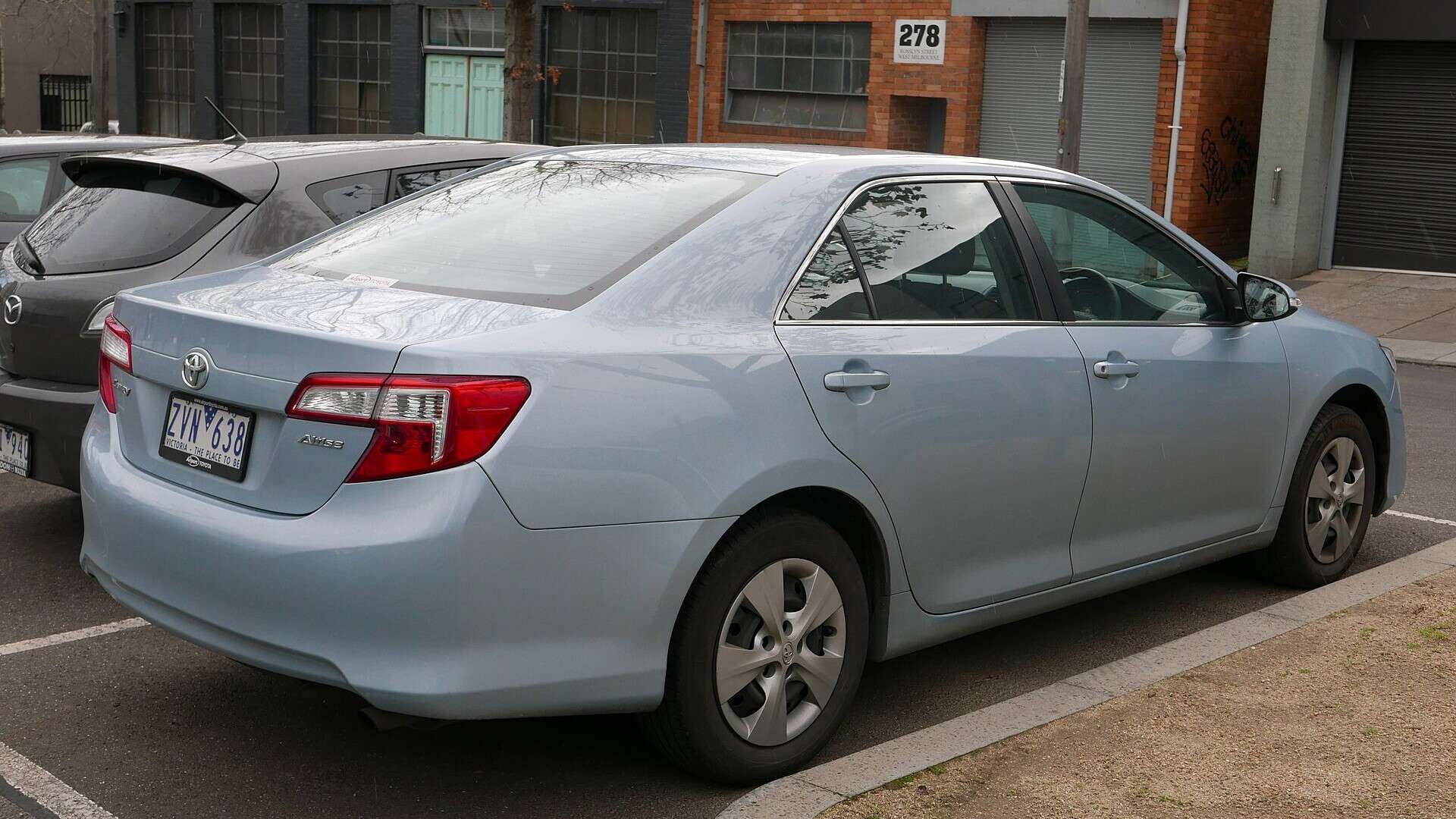
Eric Chen Su, a 38-year-old Apple employee, was charged Tuesday, Nov. 10, in Santa Clara County, California, with murder and assault with a deadly weapon over a Nov. 6 crash outside Apple Park in Cupertino that killed a 2-year-old girl, ABC7 reported. Prosecutors say his Toyota Camry hit a car stopped at a red light at nearly 100 mph. Deputies first arrested him on suspicion of gross vehicular manslaughter, and the gap between those two charges, a six-year maximum in state prison against 15 years to life, is what this case is about.
What the sheriff’s statement of facts says
According to KTVU’s account of the sheriff’s statement of facts, the crash happened at 12:01 p.m. on a Friday at North Tantau and Pruneridge avenues. Su was northbound in a black Camry and did not brake before he struck the back of a stopped Chevrolet. Investigators put his speed at more than 90 mph; prosecutors say nearly 100, which they described as four times the posted limit. The girl was in a child safety seat, KTVU reported, and died at a hospital. A woman described as her babysitter was hospitalized with head and spinal injuries, CBS San Francisco reported.
The Chevy Trax caught fire. Sheriff’s spokesman Brooks Jarosz told NBC Bay Area that “When the two cars collided, the Chevy Trax burst into flames.” Witnesses told KGO-TV that bystanders pulled the girl and the driver out. Investigators wrote that Apple video and witness accounts supported their finding of excessive speed, and CBS reported that the deputy’s report noted no signs of drug or alcohol impairment.
How a speeding case becomes a murder case
A deadly crash with no impairment is normally a vehicular manslaughter case. Penal Code 192(c)(1) requires gross negligence, which California courts measure objectively: would a reasonable person in the driver’s seat have seen the danger? Under Penal Code 193(c)(1), that offense carries up to a year in county jail or two, four or six years in state prison. Second-degree murder under Penal Code 190(a) is 15 years to life.
The bridge between them is implied malice, and the California Supreme Court built it in People v. Watson in 1981. That driver had a blood alcohol level of .23 percent and was doing an estimated 70 to 84 mph in a 35 zone when he killed a woman and her 6-year-old daughter. The justices let murder counts proceed because implied malice asks a subjective question, whether the driver was aware of a higher degree of risk than gross negligence requires and acted with conscious disregard for life. They also wrote that they did not “contemplate nor encourage the routine charging of second degree murder in vehicular homicide cases.”
Sacramento has since written the connection into the statute. Section 192 was amended by SB 883, effective Jan. 1, 2024, and subdivision (e) now says gross negligence does not rule out a murder charge when the facts show conscious disregard for life. It also lists sideshows, speed contests and speeding over 100 mph as conduct that may count as gross negligence. The figure prosecutors cite for Su, nearly 100, falls just short of that example, which is why the Cupertino case rests on what the evidence shows about his awareness, not on a number the statute names.
A frozen speedometer is not a recorder
Deputy District Attorney Rob Baker told ABC7 that the speedometer “appeared to have been frozen at 100” at impact. A needle that stops at impact shows where it stopped, not what the car was doing in the seconds before. Jarosz said investigators recovered the Camry and would examine its black box to establish how fast it was going. My read is that the recorder’s pre-impact data on throttle and braking will carry as much weight with a jury as the peak speed, because whether a driver braked is direct evidence of what he perceived. The statement of facts says Su did not.
The same office has charged murder over speed before
In July, the Santa Clara County District Attorney’s Office charged a San Jose man with two counts of murder after a Highway 87 crash that killed a woman and her 2-year-old daughter. San Jose Inside reported speed data of 142 mph about 15 seconds before the crash and 102 mph at impact on a road posted at 65. District Attorney Jeff Rosen was quoted as saying the driver “is the shooter and their car is the bullet.” Los Angeles prosecutors have used the same charge after a drugged-driving crash, which The Auto Wire covered in the Chatsworth bus case. Su is alleged to have been at nearly 100 on a surface street next to an office campus at lunchtime, so his case tests whether the office’s theory holds a notch lower, at a speed the statute does not name.
What happens next
No plea was entered, and Su’s next hearing is Nov. 30, ABC7 reported. CBS reported that the complaint also alleges he personally inflicted great bodily injury and that the victim was particularly vulnerable. A murder charge is an accusation, and prosecutors will have to prove he was aware of the danger. None of the reports I reviewed included a statement from Su or his attorney. Sacramento has also been rewriting its impaired-driving rules, which The Auto Wire covered in its look at four new California DUI laws, but those laws do not decide this case. A Santa Clara County jury, if it comes to that, will decide how far a speeding case without alcohol or drugs can go toward a life term.
Should California prosecutors charge a crash caused by extreme speed alone, with no alcohol or drugs, as murder, or should that charge stay reserved for impaired drivers and street racers?