
Best Tire Pressure Gauges Worth Buying
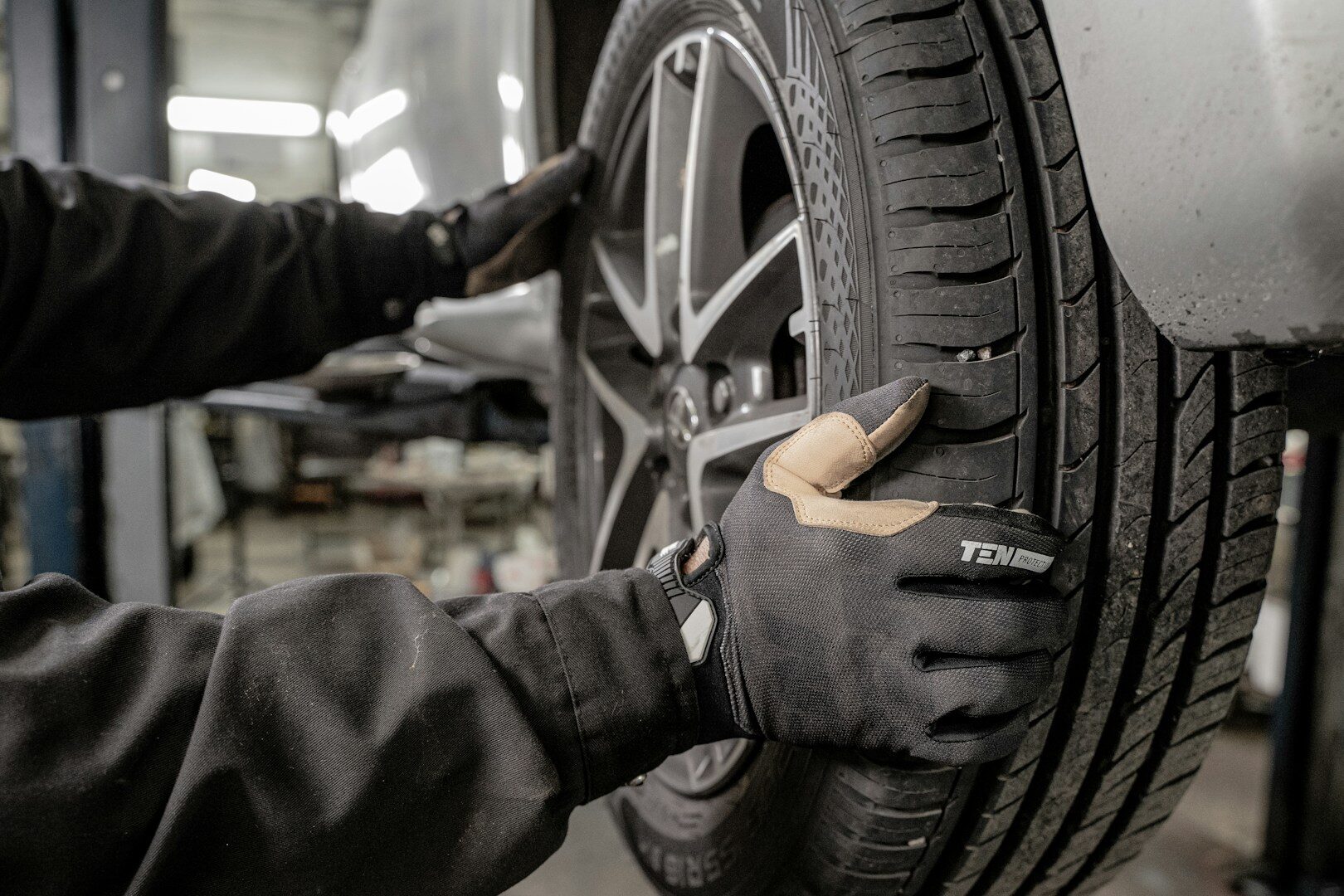
Tire pressure is one of those things almost everyone neglects until a low-pressure light pops on — and by then you’ve already been driving on soft tires, hurting your fuel economy, handling, and tire life. The fix costs a few dollars: a decent tire pressure gauge that you actually keep in the car. Your vehicle’s built-in TPMS is a warning system, not a precision tool, and it usually doesn’t alert you until pressure is already well below ideal.
The good news is that you don’t need to spend much. A surprising number of inexpensive gauges are genuinely accurate, and the main decision comes down to format: simple pencil gauges, mechanical dial gauges, or digital gauges with backlit screens. Each has its fans, and honestly, the best gauge is the one you’ll keep handy and use.
Below we’ve gathered popular, well-reviewed gauges across all three styles and a range of prices. Most people are well served by something in the $5–$30 range. We haven’t personally tested these — picks are based on reputation, certifications where noted, and customer feedback.
The Best Tire Pressure Gauges Worth Buying
AstroAI Digital Tire Pressure Gauge (0–150 PSI)
Approx. price at time of writing: $5.79 · Rating: 4.4★ on Amazon
This little digital gauge is one of the most popular cheap options out there, with a backlit display, a lighted nozzle for night use, and an auto-shutoff to save the battery. It reads up to 150 PSI, so it covers cars, trucks, and bikes.
Why We Like It: For under six bucks it does everything most drivers need, which is why it sells so well.
Best For: Anyone who just wants an accurate, no-fuss digital gauge for the glovebox.
Pros:
- Very affordable
- Backlit display and lighted nozzle
- Wide 0–150 PSI range
Cons:
- Plasticky feel
- Battery eventually needs replacing
- Not as rugged as pro units
JACO ElitePro Digital Tire Pressure Gauge
Approx. price at time of writing: $28.20 · Rating: 4.7★ on Amazon
JACO’s ElitePro digital gauge is built for accuracy, with a clearly readable display, a 360-degree swivel hose, and a sturdy rubber-armored body. It’s a well-reviewed step up for people who care about precise, repeatable readings.
Why We Like It: It pairs strong accuracy with a build that feels made to last, and it’s highly rated.
Best For: Drivers who want premium accuracy and durability in a digital gauge.
Pros:
- Highly accurate and well-reviewed
- Swivel hose for easy access
- Rugged protective housing
Cons:
- Pricier than basic gauges
- Battery-powered
- More than casual users need
JACO ElitePro Dial Tire Pressure Gauge (100 PSI)
Approx. price at time of writing: $22.95 · Rating: 4.7★ on Amazon
For people who distrust batteries, this analog dial gauge from JACO offers mechanical accuracy with a glow dial, swivel air chuck, and a bleeder valve to fine-tune pressure. It reads up to 100 PSI and feels reassuringly solid.
Why We Like It: A quality dial gauge never needs a battery and this one is highly rated for accuracy.
Best For: Drivers who prefer a durable, battery-free analog gauge.
Pros:
- No battery required
- Glow dial and bleeder valve
- Highly rated accuracy
Cons:
- Bulkier than digital
- Dial harder to read in dim light without glow
- Pricier than basic gauges
JACO Elite Dial Tire Pressure Gauge (60 PSI)
Approx. price at time of writing: $18.95 · Rating: 4.7★ on Amazon
This is JACO’s 60 PSI dial gauge, ideal for passenger cars where you don’t need a huge range and want a larger, easier-to-read scale. It has the same rugged build, swivel chuck, and bleeder valve as its bigger sibling.
Why We Like It: The narrower 60 PSI range gives a bigger, easier-to-read dial for everyday car tires.
Best For: Passenger-car owners who want an easy-reading, battery-free gauge.
Pros:
- Easy-to-read 60 PSI dial
- Durable, battery-free
- Bleeder valve included
Cons:
- Range too low for some trucks/RVs
- Analog bulk
- No backlight
Vondior Dial Tire Pressure Gauge (0–100 PSI)
Approx. price at time of writing: $14.44 · Rating: 4.5★ on Amazon
The Vondior is a popular budget dial gauge that’s ANSI-certified for accuracy, with a heavy-duty feel that belies its price. No batteries, no electronics — just a mechanical gauge that’s earned a big base of happy reviews.
Why We Like It: It delivers certified accuracy and a solid feel at a budget-friendly price.
Best For: Value seekers who want a dependable analog gauge.
Pros:
- ANSI-certified accuracy
- Affordable
- Sturdy, battery-free
Cons:
- No bleeder on some versions
- Analog only
- No light for night use
AstroAI Pencil Tire Pressure Gauge (2-Pack)
Approx. price at time of writing: $5.18 · Rating: 4.6★ on Amazon
These classic pencil-style gauges come two to a pack, reading 10–75 PSI with a simple slide-out bar. They’re cheap, tiny, and battery-free — the kind of thing to stash one in each car and forget about until you need it.
Why We Like It: It’s the cheapest, simplest way to keep an accurate gauge in every vehicle.
Best For: Drivers who want a couple of dirt-cheap backups in glove boxes.
Pros:
- Two gauges for a few dollars
- No battery, pocket-sized
- Calibrated for accuracy
Cons:
- Slide bar harder to read precisely
- Limited range
- Basic feel
ETENWOLF T300 Digital Tire Pressure Gauge (3–200 PSI)
Approx. price at time of writing: $7.18 · Rating: 4.6★ on Amazon
The T300 punches above its price with a wide 3–200 PSI range, a backlit screen, and a metal-bodied feel that’s nicer than you’d expect for the money. The broad range makes it equally useful for cars, trucks, and high-pressure applications.
Why We Like It: It offers a wide range and a sturdier build than most budget digital gauges.
Best For: Drivers who want one gauge for cars, trucks, and high-PSI needs.
Pros:
- Very wide 3–200 PSI range
- Backlit display
- Solid build for the price
Cons:
- Battery-dependent
- Small screen
- Less known brand
ETENWOLF Tire Pressure Gauge (0–75 PSI)
Approx. price at time of writing: $9.30 · Rating: 4.7★ on Amazon
A compact, well-rated digital gauge aimed squarely at passenger cars, with a lighted tip, backlit display, and a comfortable grip. The 0–75 PSI range keeps the readout focused on the pressures most car owners actually use.
Why We Like It: It’s a highly rated, easy-to-use gauge tuned for everyday car tires.
Best For: Car owners who want a simple, accurate everyday digital gauge.
Pros:
- Highly rated and easy to use
- Lighted tip and backlight
- Comfortable grip
Cons:
- Range too low for big trucks
- Battery-powered
- Basic feature set
Milton S-925 Pencil Tire Pressure Gauge
Approx. price at time of writing: $8.99 · Rating: 4.6★ on Amazon
Milton is a long-established name in pneumatic tools, and the S-925 is a single, well-built pencil gauge with a dual-scale range suited to trucks and RVs as well as cars. It’s the rugged, old-school choice that just keeps working.
Why We Like It: It comes from a trusted tool brand and is built to take abuse without a battery.
Best For: Truck and RV owners who want a tough, no-nonsense gauge.
Pros:
- Trusted, durable brand
- Wide range for trucks/RVs
- No battery needed
Cons:
- Pencil-style readout less precise
- Single gauge at a higher price than 2-packs
- No light
Buying Guide: Choosing a Tire Pressure Gauge
Digital, dial, or pencil? Digital gauges are easiest to read, often backlit, but rely on a battery. Dial gauges are rugged, accurate, and battery-free but bulkier. Pencil gauges are the cheapest and most compact, though the slide-out scale is a little harder to read precisely. Any of them, if decent quality, will beat eyeballing it.
Check the range. Passenger cars usually run 30–35 PSI, so a 0–60 or 0–75 PSI gauge with a larger, easier-to-read scale is ideal. If you also air up trucks, trailers, or bikes, pick a wider range like 0–100 or higher.
Accuracy and certification. Look for gauges calibrated to ANSI B40.1 or similar standards — several budget options note this. A bleeder valve is a handy bonus that lets you release a little air to hit your target pressure precisely.
Common mistakes: checking pressure when tires are hot (always check cold for an accurate reading), trusting gas-station gauges that get abused all day, and setting pressure to the number on the tire sidewall (that’s the max) rather than the figure on your door-jamb sticker.
Value vs. premium: A $5 AstroAI or ETENWOLF digital, or a 2-pack of pencil gauges, covers most people. Step up to a JACO dial or ElitePro digital if you want premium accuracy, a swivel hose, and a build that lasts for years.
Frequently Asked Questions
How accurate are cheap tire pressure gauges?
Many inexpensive gauges are surprisingly accurate, especially those calibrated to ANSI standards. Accuracy within about 1–2 PSI is typical for quality budget units, which is more than enough for everyday tire maintenance.
Should I check tire pressure hot or cold?
Always check when tires are cold — that is, before driving or at least a few hours after. Driving heats the air inside and raises the reading, so a hot check will look higher than your true cold pressure.
What pressure should my tires be?
Use the number on the sticker in your driver’s door jamb, not the maximum printed on the tire sidewall. The door-jamb figure is the pressure the automaker recommends for your specific vehicle.
Digital or analog — which is better?
Both can be accurate. Digital is easier to read and often backlit but needs a battery; analog dial and pencil gauges are battery-free and rugged. It mostly comes down to personal preference.
Why not just rely on my car’s TPMS?
TPMS is a safety warning system that usually only alerts you once pressure is significantly low. A handheld gauge lets you keep tires at the ideal pressure all the time, which a warning light can’t do.
What is a bleeder valve for?
A bleeder valve lets you release a small amount of air while the gauge is attached, so you can dial in your exact target pressure if a tire is slightly overinflated. It’s a handy feature on better dial gauges.
How often should I check my tires?
Roughly once a month is a good habit, plus before long trips and when temperatures swing. Tires naturally lose a little air over time, and cold weather drops pressure noticeably.
Keeping your tires right is just one part of good car care — browse our Garage Deals hub, our best safety items for your car, and our car accessories you’ll actually use.