
Best First Aid Kits for Cars in 2026
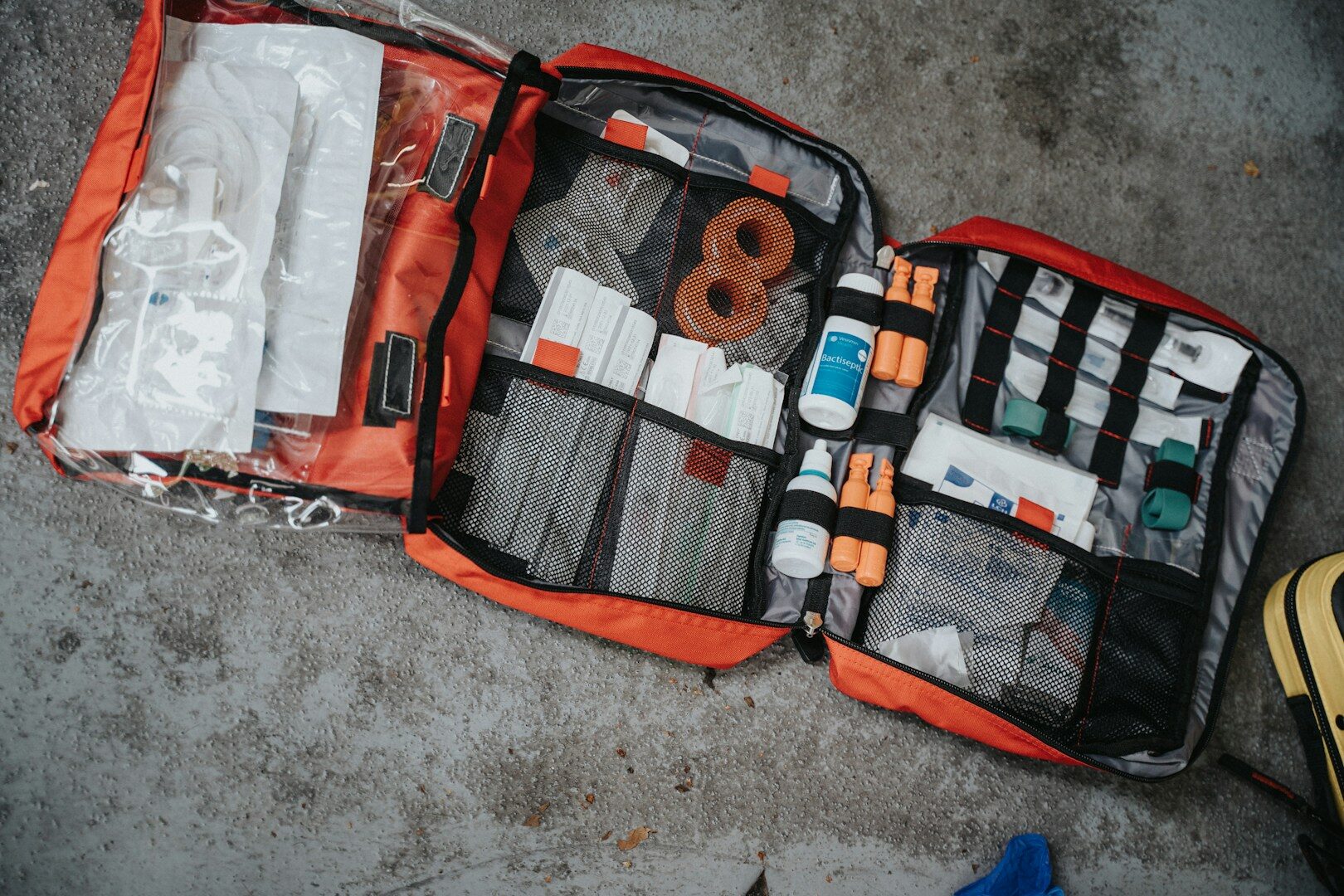
Updated September 2026. The Auto Wire may earn a commission when you buy through links on this page, at no extra cost to you. Picks are chosen editorially from specs, owner reviews and product features; prices change often, so check Amazon for the current price.
Most first aid you’ll ever do in or around a car is small stuff: a cut hand from a hood latch, a scraped knee at a rest stop, a burn from a hot engine part, a kid’s splinter at the campground. But if you’re first on the scene of a crash or hurt on a remote road, a proper kit and a few minutes of knowing how to use it can matter a lot. A car is also the one place you almost always have with you, which makes it the most practical spot to keep a kit.
The ten kits below range from a glovebox-size bandage kit to large family kits and a trauma kit with a tourniquet. We picked them based on contents, case quality, organization and owner feedback, and we note who each kit is for. Piece counts are listed where the maker states them, but don’t let big numbers fool you: a lot of those pieces are small adhesive bandages. The buying guide after the list explains what actually matters.
Our top picks at a glance
| Best for | Pick | |
|---|---|---|
| Best overall | Surviveware Comprehensive Premium Kit | See price |
| Best value | First Aid Only 298-Piece | See price |
| Best compact | 150-Piece Mini Hard Shell Kit | See price |
| Best for road trips & families | 520-Piece Large Kit | See price |
| Best trauma kit | RHINO RESCUE IFAK | See price |
Jump to: The picks · How to choose · FAQ
The 10 best first aid kits for cars in 2026
1. Surviveware Comprehensive Premium First Aid Kit (98 pieces)
Best for: The best all-around car kit
Surviveware’s kit has fewer pieces than many rivals, but the pieces are higher quality and the layout is the best on this list. Every inner compartment is labeled, so in a stressful moment you, a passenger or a bystander can find gauze or burn dressings without dumping the bag on the ground.
The case is made of rip-resistant, water-resistant 600D polyester, which holds up to years of sliding around a trunk. It’s a well-balanced kit for minor wounds, cuts, scrapes and burns.
- 98 first aid essentials for wounds, cuts and burns
- Labeled, organized inner compartments
- Water-resistant, rip-resistant 600D polyester case
- Compact enough for a trunk, under-seat or seat-back pocket
Worth knowing: It’s not a trauma kit. Add a tourniquet and pressure bandage if you want serious bleeding control.
Check current price on Amazon →
2. First Aid Only 298-Piece All-Purpose First Aid Kit
Best for: Best value from a trusted brand
First Aid Only supplies a lot of workplace kits, and this all-purpose kit is a dependable, no-nonsense choice for a car. It includes fabric and plastic bandages, antibiotic ointment, BZK antiseptic towelettes, burn cream packets and gauze, all in a soft zippered case that opens into two layers.
It’s the kit to buy if you want solid basics for every car in the family without overthinking it. It’s also HSA and FSA eligible.
- Bandages, gauze, antibiotic ointment and burn cream
- BZK antiseptic towelettes
- Soft zippered case with two separate layers
- HSA and FSA eligible
Worth knowing: Most of the piece count is bandages; there are no shears, blanket or trauma supplies.
Check current price on Amazon →
3. BAND-AID Brand Travel Ready First Aid Kit (80 pieces)
Best for: A glovebox kit for everyday scrapes
Not every car needs a big bag. The BAND-AID Travel Ready kit holds 80 pieces of first aid essentials for wound care and pain relief in a small, portable case that fits easily in a glovebox, door pocket or center console.
It’s a smart second kit to keep within reach of the driver, even if you have a larger kit in the trunk, and it’s refillable when you use things up.
- 80 first aid essentials from a familiar brand
- Mini travel size fits a glovebox or console
- Refillable case
- Covers everyday cuts, scrapes and pain relief
Worth knowing: It’s too small to be your only kit for road trips or family travel.
Check current price on Amazon →
4. 150-Piece Mini First Aid Kit with Hard Shell Case
Best for: Small cars and motorcycles
This kit packs 150-plus supplies into a waterproof EVA hard-shell case that measures just 6.4 x 4.9 x 2.7 inches and weighs under a pound. The hard shell protects the contents from getting crushed under luggage, and the waterproof case keeps moisture out.
Contents are separated into small compartments, and the included carabiners let you clip it to a bag or a motorcycle luggage rack.
- 150+ supplies including a variety of bandages
- Waterproof EVA hard-shell case, 6.4 x 4.9 x 2.7 in
- Weighs about 0.73 lb
- Compartmentalized layout with bonus carabiners
Worth knowing: Space is tight, so there’s little room to add your own medications or larger dressings.
Check current price on Amazon →
5. Uncharted Supply Co. First Aid Pro Kit
Best for: Overlanding, off-roading and remote travel
Uncharted Supply Co. built the First Aid Pro as a beefed-up version of its Core kit, aiming to handle the majority of injuries you’d face away from help. It weighs just over a pound, so it’s easy to move from the car to a backpack when you head down a trail.
The case is made from 600D Oxford polyester with a water-resistant coating, which suits a Jeep, a pickup bed box or a roof-top gear setup where it might see weather.
- Expanded contents for more serious outdoor injuries
- Weighs just over a pound
- 600D Oxford polyester with water-resistant coating
- Sized to stash in a car or backpack
Worth knowing: It costs more than kits with far higher piece counts; you’re paying for curation and build quality.
Check current price on Amazon →
6. VRIEXSD 400-Piece Large First Aid Kit
Best for: Families with kids
With 400 supplies and a bag divided into labeled, independent compartments, the VRIEXSD kit is built for families that go through bandages, wipes and gauze quickly. The labels make it easier for an older child or another adult to grab the right item while you’re tending to someone.
It’s a good size for a minivan or three-row SUV, and it works as a home kit too.
- 400 first aid supplies
- Divided compartments with labels
- Portable bag for home, car, camping and sports
- Suitable for everyday injuries and preparedness
Worth knowing: It’s bulkier than a glovebox kit, so plan on trunk or cargo-area storage.
Check current price on Amazon →
7. Gevoke Professional 500-Piece First Aid Kit
Best for: Work trucks and job sites
If your vehicle doubles as a mobile workplace, a larger kit makes sense. Gevoke’s 500-piece kit uses a compartmentalized layout so you can see what you need at a glance, and the bag is made from tear-resistant 1680D polyester that can handle being tossed in a truck bed box or behind a seat.
It’s big enough to serve a small crew and restock a smaller personal kit.
- 500 first aid supplies
- Compartmentalized design for quick access
- Tear-resistant 1680D polyester bag
- Suits homes, businesses and work vehicles
Worth knowing: Large and heavy for a compact car; a smaller kit is more practical there.
Check current price on Amazon →
8. 520-Piece Large First Aid Kit
Best for: Long road trips and camping
This is the most complete general-purpose kit here. Beyond the basics, it includes CPR face shields and emergency blankets, which are the kind of items you’re glad to have when stuck by the roadside in the cold or at the scene of a crash.
Nine organized zones, detachable outer pouches and a removable inner section help keep 520 items manageable, and the bag is made from thick 1680D polyester.
- 520 supplies including CPR face shields and emergency blankets
- Nine organized storage zones
- Detachable outer pouches and removable inner section
- Durable 1680D polyester bag
Worth knowing: The size that makes it complete also makes it the bulkiest kit on the list.
Check current price on Amazon →
9. Premium 305-Piece First Aid Kit with Hard Shell
Best for: Trunks where gear gets crushed
Soft bags get squashed under suitcases and groceries. This kit’s hard-shell case protects 305 first aid items, including wound-care bandages, gauze pads, tweezers and safety pins, from being crushed or scattered.
Its bright two-tone exterior is easy to spot in a crowded trunk, which matters when someone else needs to find it quickly.
- 305 first aid items including gauze, bandages and tweezers
- Protective hard-shell case
- High-visibility two-tone design
- Sized for car, home or travel
Worth knowing: A hard shell takes up a fixed amount of space and doesn’t squeeze into gaps like a soft bag.
Check current price on Amazon →
10. RHINO RESCUE IFAK Trauma Kit with CAT Tourniquet
Best for: Serious bleeding and crash-scene response
Standard first aid kits are built for small cuts. An IFAK (individual first aid kit) is built for severe bleeding and fractures, the injuries that matter most at a crash scene. This kit includes a CAT tourniquet, a 4-inch Israeli bandage, gauze and a 36-inch splint in a compact, well-organized pouch.
We recommend it as an add-on to a general kit rather than a replacement, especially for drivers who spend a lot of time on highways or rural roads.
- CAT tourniquet for severe limb bleeding
- 4-inch Israeli pressure bandage and gauze
- 36-inch splint for fractures
- Organized internal compartments
Worth knowing: A tourniquet only helps if you know how to use it. Take a Stop the Bleed or first aid class.
Check current price on Amazon →
How to choose a first aid kit for your car
The best car kit is one sized for your passengers and trips, stored where you can reach it, and actually restocked after you use it.
Ignore the piece count
A 500-piece kit sounds better than a 100-piece kit, but most of those pieces are small adhesive bandages, cotton swabs and alcohol pads. Instead, check for the items that do the real work: several sizes of gauze pads and rolls, an elastic wrap, medical tape, trauma shears, gloves, antiseptic wipes, burn gel or dressings, and an emergency blanket. A kit with fewer, better supplies and clear organization is more useful than a bag stuffed with filler.
Match the kit to your passengers and trips
A solo commuter can get by with a compact kit. Families should size up and add children’s pain reliever, allergy medicine and extra bandages. If you drive rural highways, tow, or go off-road, add a trauma kit with a tourniquet and pressure bandage, since help may be far away. Motorcyclists and small-car owners should prioritize compact, hard-case kits that won’t get crushed.
Heat, cold and storage
Car interiors can get extremely hot in summer and freezing in winter, which is hard on medications, ointments and adhesive. Keep medications in a small separate pouch you can bring inside, and replace ointments and pills by their expiration dates. Store the main kit in the trunk or cargo area where it’s secured, and keep a small kit in the glovebox or console so you can reach it if the trunk is blocked after a crash.
Case type
Soft bags in 600D or 1680D polyester squeeze into gaps and often have outer pockets. Hard-shell EVA cases protect contents from crushing and moisture but take up fixed space. Look for labeled compartments or clear pockets, a bright color that’s easy to find, and a handle or MOLLE straps if you want to mount it to a seat back or headrest.
Add what the kit is missing
Almost every prebuilt kit benefits from a few additions: personal medications, an extra pair of nitrile gloves, a CPR face shield, a small flashlight, hand sanitizer, and a printed card with emergency contacts and allergies. If you keep a roadside emergency kit, store the first aid kit alongside it so everything is in one place.
Frequently asked questions
Is a first aid kit required in a car in the U.S.?
No U.S. state requires private passenger cars to carry a first aid kit, although some commercial vehicles and many countries in Europe do. Even so, it’s one of the most useful and least expensive things you can keep in a vehicle, and many drivers keep one alongside a roadside emergency kit.
Where is the best place to keep a first aid kit in a car?
Keep the main kit in the trunk or cargo area, secured so it won’t fly around in a crash. Keep a small kit in the glovebox, console or a seat-back pocket so it’s reachable from inside the car. In a pickup, behind or under the rear seat is ideal because it stays out of the weather.
Can heat damage a car first aid kit?
Yes. High temperatures can degrade medications, melt ointments and weaken the adhesive on bandages. Choose a kit in a reflective or light-colored case, store it out of direct sun, and check it at least twice a year. Replace anything that’s expired, discolored or no longer sticks.
What should be in a car first aid kit?
Adhesive bandages in several sizes, gauze pads and rolls, medical tape, an elastic bandage, antiseptic wipes, antibiotic ointment, burn dressings, trauma shears, tweezers, nitrile gloves, an emergency blanket, pain relievers and any personal medications. For remote driving, add a tourniquet and a pressure bandage.
Should I carry a tourniquet in my car?
It’s a good idea if you drive highways often or travel far from help, since severe bleeding is a leading cause of preventable death after crashes. A tourniquet is only effective if you know how to apply it, so pair it with a Stop the Bleed or first aid course.
The bottom line
The Surviveware Comprehensive Premium First Aid Kit is the best first aid kit for most cars, thanks to its labeled compartments and tough case. The First Aid Only 298-piece kit is the best value, the 520-piece kit suits long road trips and families, and the RHINO RESCUE IFAK is the add-on to buy for serious bleeding and crash-scene injuries.
More buying guides
- Best Roadside Emergency Kits
- Best Road Trip Essentials
- Best Winter Accessories for SUV Owners
- Best Portable Car Battery Jump Starters
Browse all Auto Wire buying guides →
Disclosure: The Auto Wire is a participant in the Amazon Services LLC Associates Program. As an Amazon Associate we earn from qualifying purchases. Product availability and pricing change frequently; the price shown on Amazon at the time of purchase applies.