
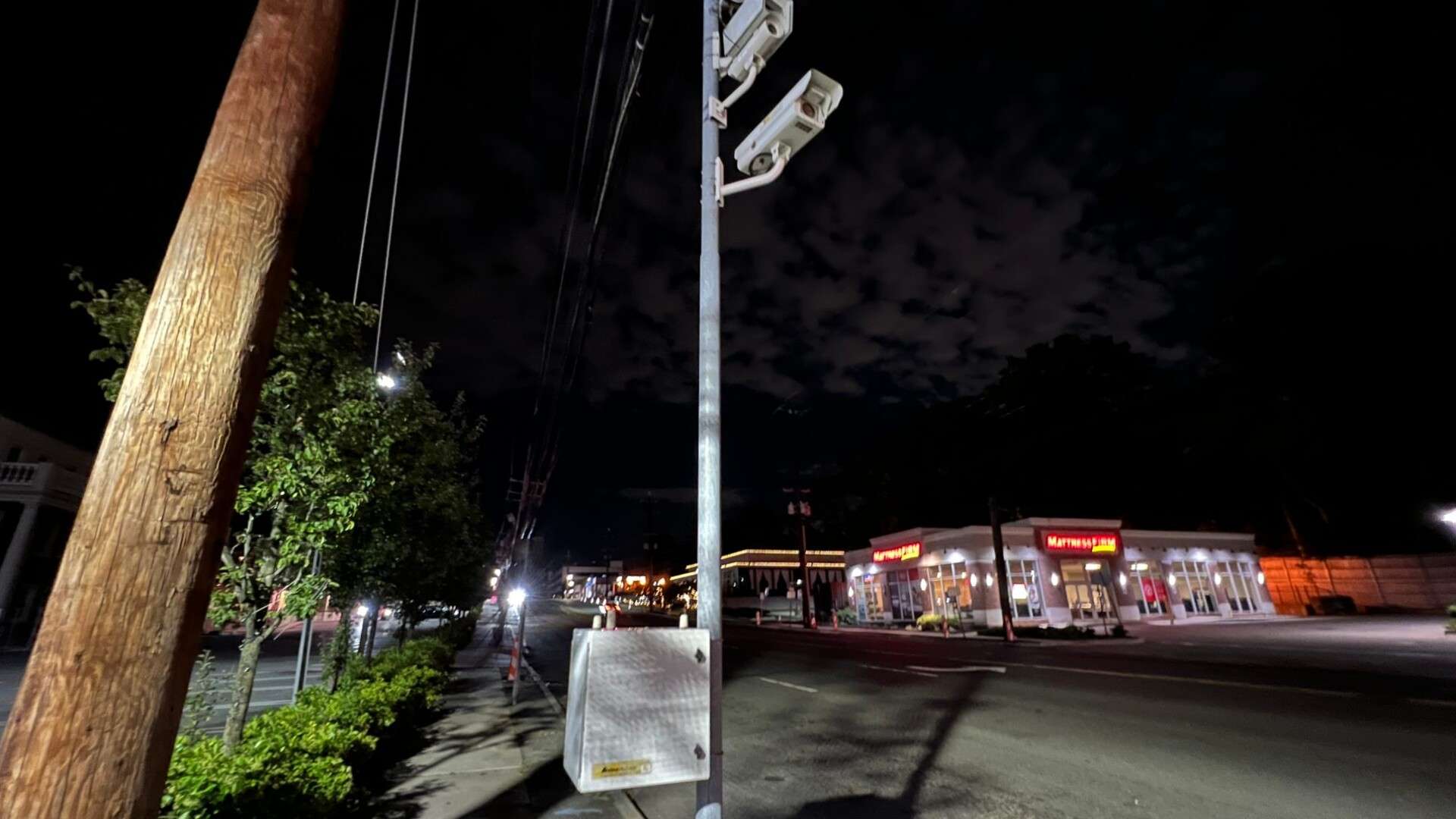
Suffolk County tacked $30 onto red-light tickets for years, and the courts said it couldn’t. Now the county will pay back up to $36 per fee out of a $45 million pot. Robert McGrath sued in 2016, and the claim deadline is Dec. 8, 2026, per the court-approved notice in McGrath v. Suffolk County, Index No. 608155/2016.
The notice says the Suffolk County Supreme Court declared the fee illegal and barred the county from charging it. The settlement agreement describes an April 27, 2020 order holding that liability above $50, or $75 with a late fee, “was void as a matter of law.” The Appellate Division, Second Department, affirmed that order on Nov. 27, 2024. The county denies the allegations and any wrongdoing, and it has a pending motion for leave to appeal the class certification order to the New York Court of Appeals.
Who qualifies and what each fee pays
The class covers anyone who “paid a $30 Administrative Fee to the County Defendants” for red-light camera violations between April 1, 2013 and the present. The agreement pays $36 for each fee, which is $6 more than the fee itself, so a driver who paid it on three tickets can claim $108. If valid claims run past $45 million, every payment is cut by the same percentage.
How to file a claim
Claims can be filed online at SuffolkRedLightSettlement.com or on a paper form. The county builds the class list from its own records, and the short-form notice carries a unique identification number and the count of fees the county has on file for that person. Claimants attest under penalty of perjury that they paid the fee. The agreement does not require receipts. Online claims are due by 11:59 p.m. ET on Dec. 8, and mailed claims must be postmarked by that date. The administrator, Kroll Settlement Administration, lists a help line at (833) 447-6790.
Why payment may take a while
Checks do not go out when the claim period closes. The agreement ties payment to an “Effective Date,” which requires the appeal period to expire or the highest court to affirm or dismiss any appeal. The county then has 30 days to fund the account, and payments follow within 14 days after that. A final approval hearing is set for Dec. 8 at 10 a.m. at 1 Court Street in Riverhead, though the notice warns the date can change.
Payments can arrive by electronic transfer, prepaid debit card or check. Checks that go uncashed become void after 90 days, and unused debit cards expire after one year. The unclaimed money goes back to the county for driver-safety initiatives, the agreement says.
Lawyers’ fees and the Nov. 9 deadline
Class counsel can ask for up to $12.5 million in fees and costs, plus a $5,000 award for the class representative. The county pays those amounts separately from the $45 million, and it also covers administration costs. Drivers who want to keep the right to sue on their own must send an opt-out request postmarked by Nov. 9, 2026, the same date the notice sets for objections. Drivers who stay in the class release claims “arising out of or relating to” the fee, including claims against vendors that processed or collected it.
Nassau County drivers are in a separate case
This settlement covers fees paid to the Suffolk County defendants only. In a related Nassau County case, the settlement agreement says the Second Department ruled on Nov. 27, 2024 that Nassau’s excess liability was illegal. The Nassau Supreme Court then granted summary judgment to the defendants on Oct. 6, 2025, and the plaintiff’s appeal is pending. Camera-ticket rules are drawing scrutiny elsewhere too, including speed camera tickets in Wheat Ridge, Colorado, and Arizona’s photo radar rules.
What to do before Dec. 8
Look for the mailed notice and find the identification number and fee count on it. A driver who paid fees but never received a notice can ask the administrator through the website or phone line, since the county works from last-known addresses. If you want the money, file now. Final approval is still pending, but the claim clock runs anyway. Still better than GM’s $220 million deal with 36 states, which hands owners nothing.
A driver who paid in 2013 gets $6 on top for the wait. That works out to roughly 1.5 percent a year (The Auto Wire’s math, simple interest). Did the notice actually reach you, or are you finding out here?