News
-

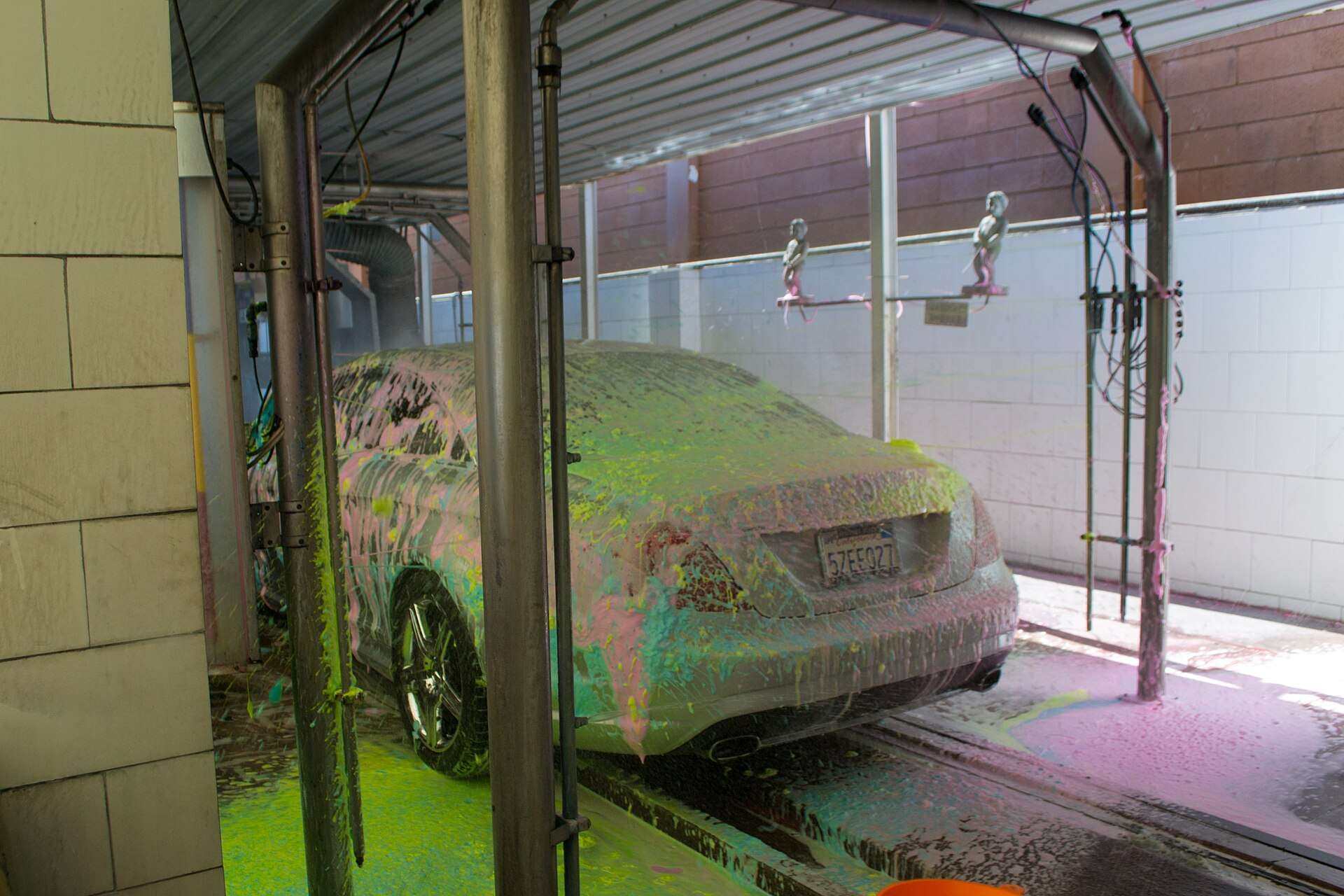
Autobell’s Data Breach Settlement Isn’t About Your Car. It’s About Who Dried It.
The 2024 Autobell Car Wash breach reached 52,714 people, more than 17 times its workforce. The real story is what a high-turnover employer keeps after the job ends.
-
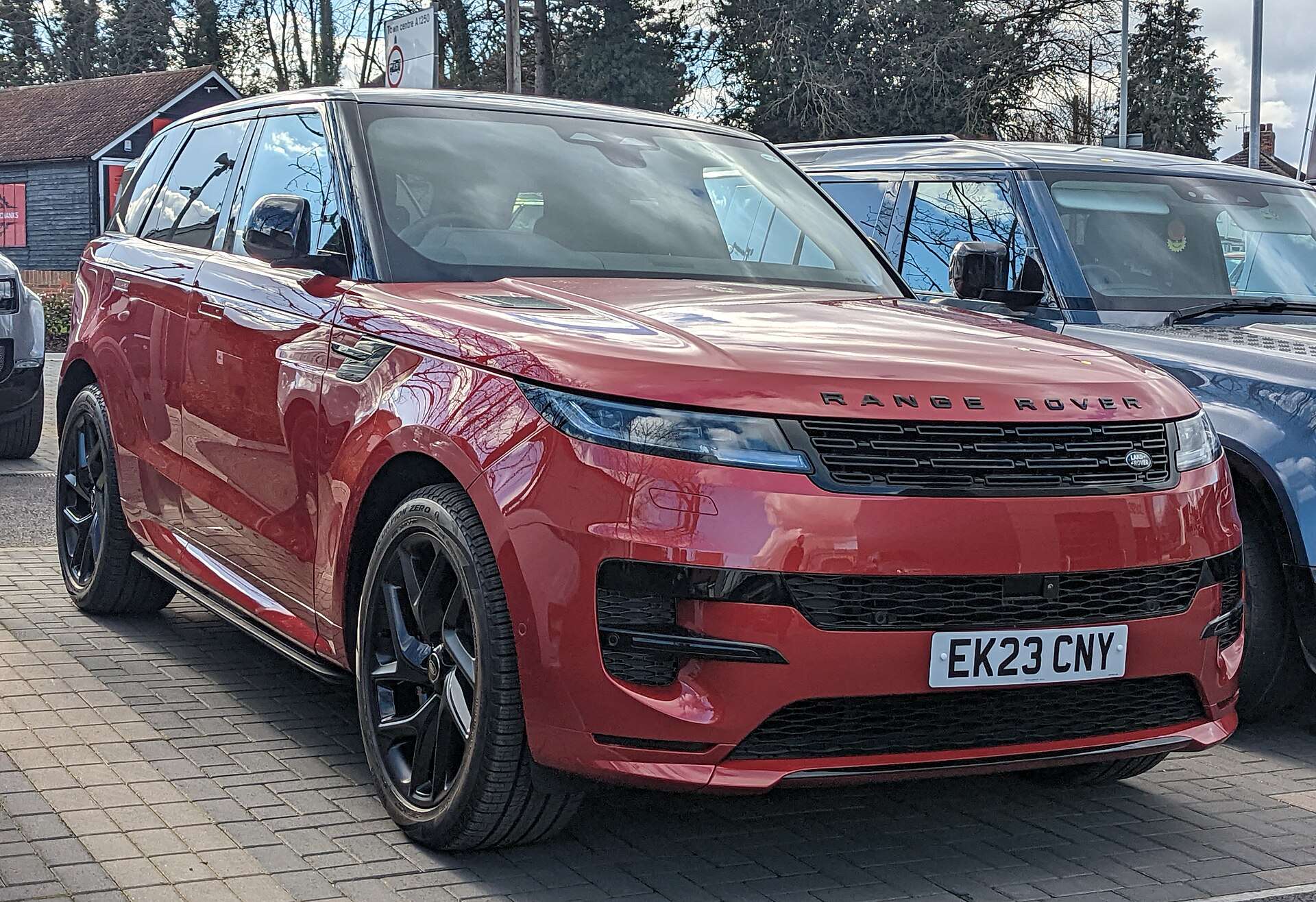
Land Rover Blamed a Chip. Its Newest Recall Quietly Changes the Story.
Jaguar Land Rover has added 23,677 vehicles to a safety recall it filed five months ago. The unit count is the least interesting thing in the paperwork. What changed is the explanation. In April, JLR told federal regulators that one piece of silicon was at fault: an internal defect in the boost control microchip inside…
-
Tesla’s Optimus Robot Factory Depends on Car-Parts Suppliers, and the Math Is Brutal
Word coming out of China’s supply chain this week is that Tesla’s humanoid robot team has been touring factories around the Yangtze River Delta. The chatter says those visits are meant to vet parts makers for Optimus production. Neither Tesla nor any supplier has publicly confirmed the visits, and no exchange filing I could find…
-
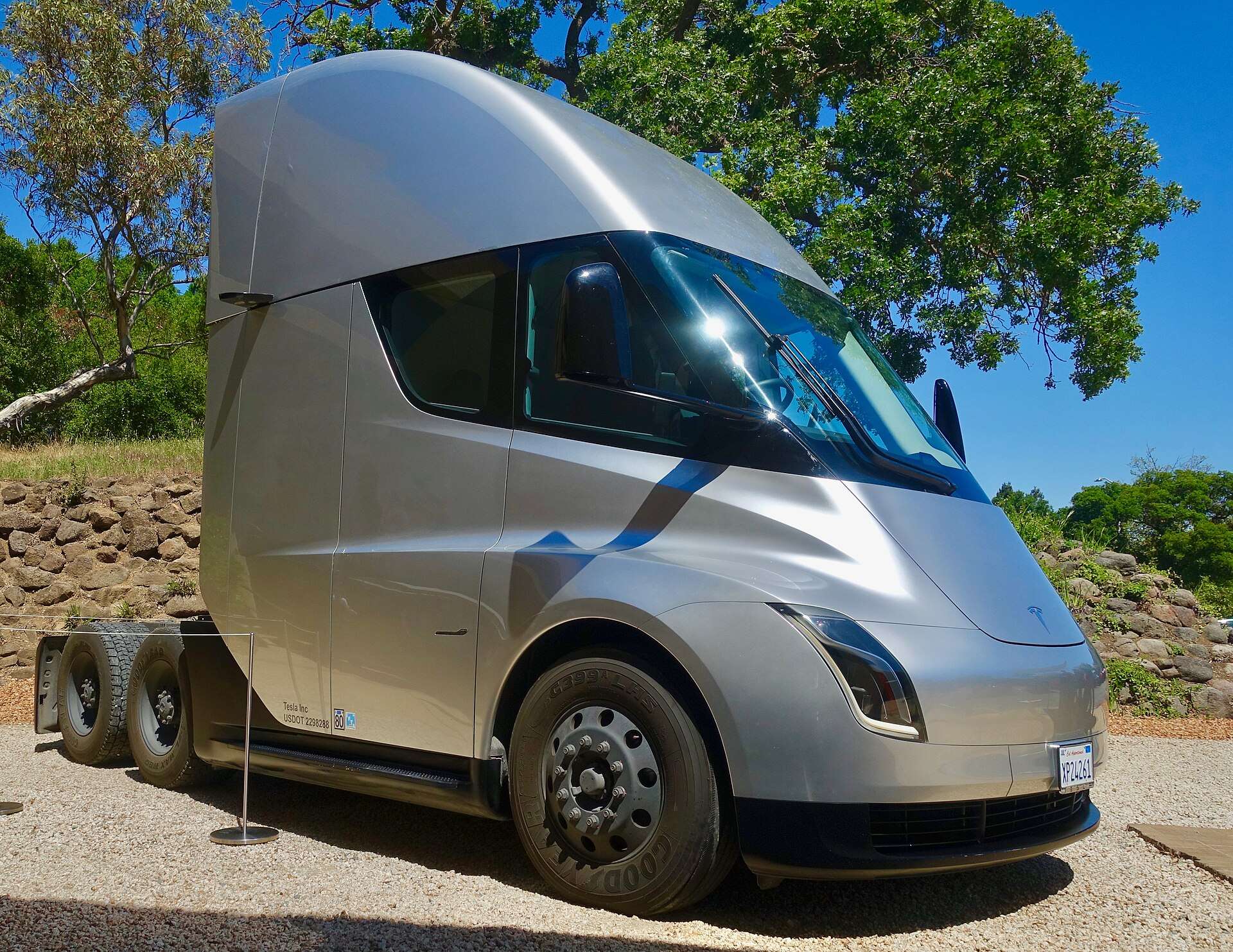
Tesla’s Semi Plant Opens, Rivian Recalls Nearly 99,000 EVs, and What Else Moved
Tesla’s Semi factory opens, Rivian recalls 98,828 EVs over backup cameras, Geely hits four-minute charging, and the BYD question hangs over Xi’s visit.
-
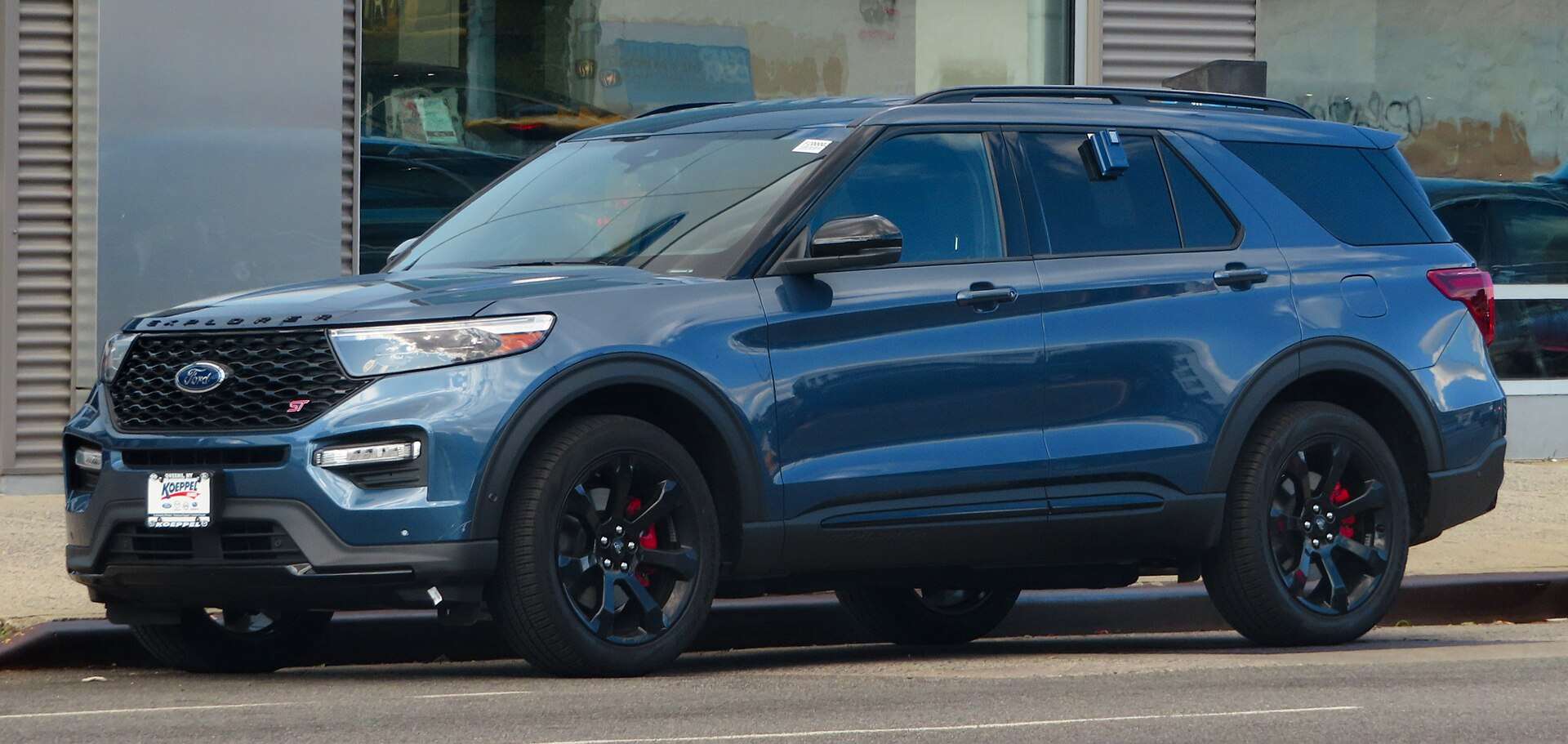
Ford Has Paid Nearly $18 Million Over Harassment at Its Chicago Plants. The Lawsuits Are Back.
Ford settled harassment claims at its Chicago Assembly and Stamping plants with the EEOC in 1999 and 2017. In 2026, workers are back in federal court.
-
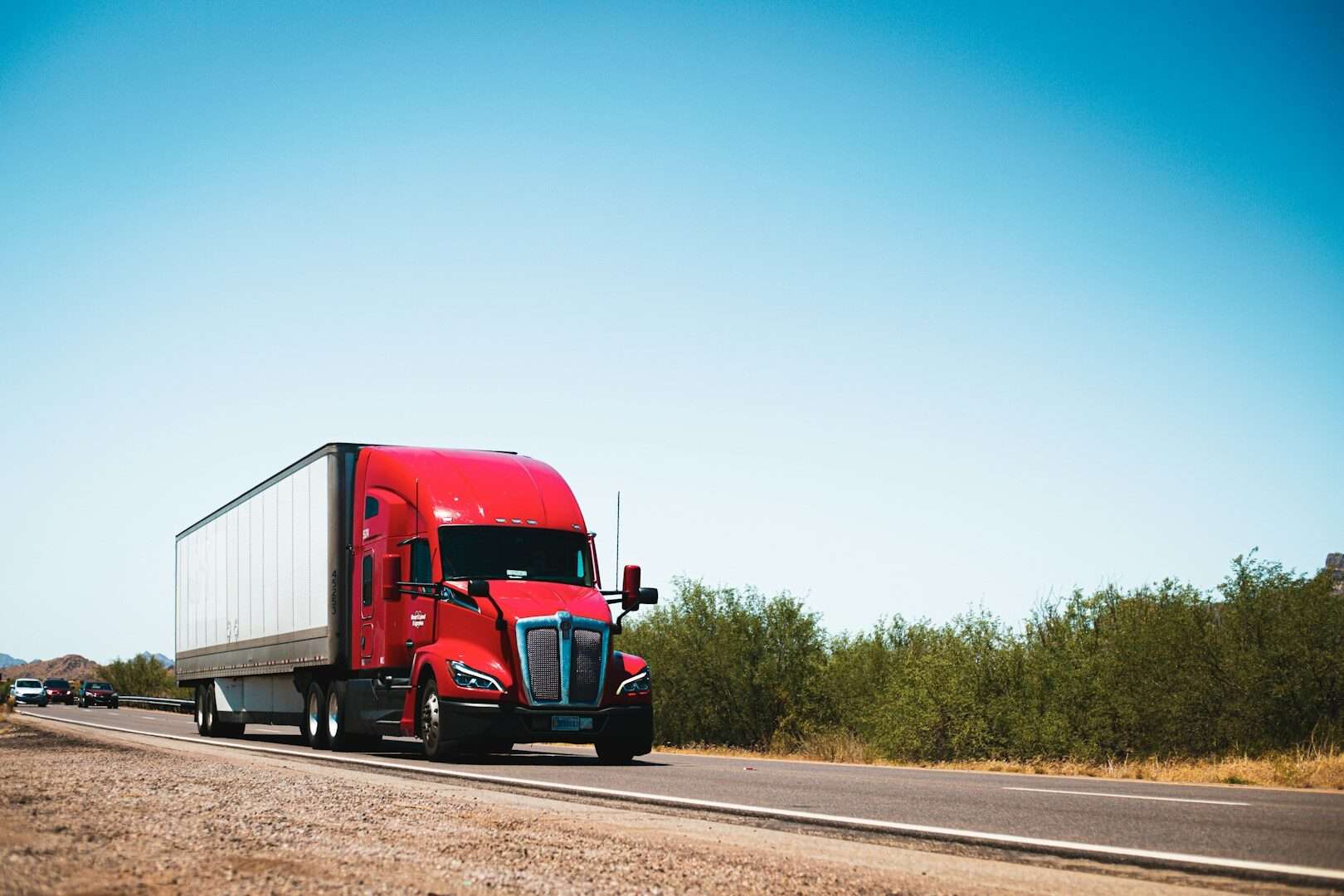
California Opens Its Highways to Heavy Autonomous Trucks, but the Million-Mile Test Has Only Begun
Before anyone pictures a driverless Peterbilt barreling down I-5 at 3 a.m., a correction: robot delivery trucks aren’t new to California. The state approved rules in December 2019 allowing autonomous delivery trucks under 10,001 pounds to be tested and deployed, according to a DMV workshop document. Those are box vans and small cargo haulers, the…
-
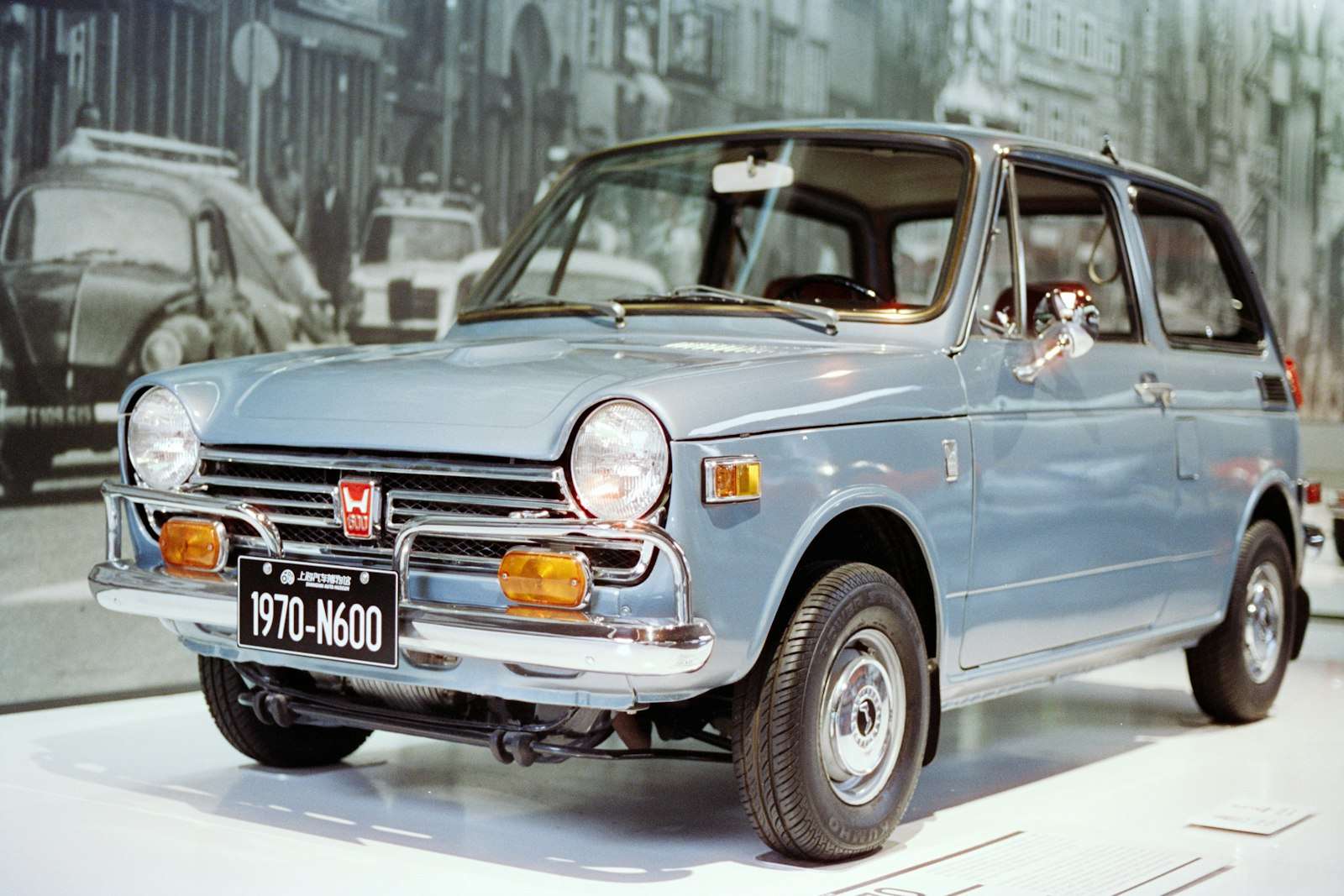
Today in Automotive History: September 24, 1948 — Honda Is Founded With 1 Million Yen and a Bicycle Engine
Honda was founded on Sept. 24, 1948, with 1 million yen and a bicycle engine. The company born that day still shapes emissions rules, U.S. factories and what you buy.
-
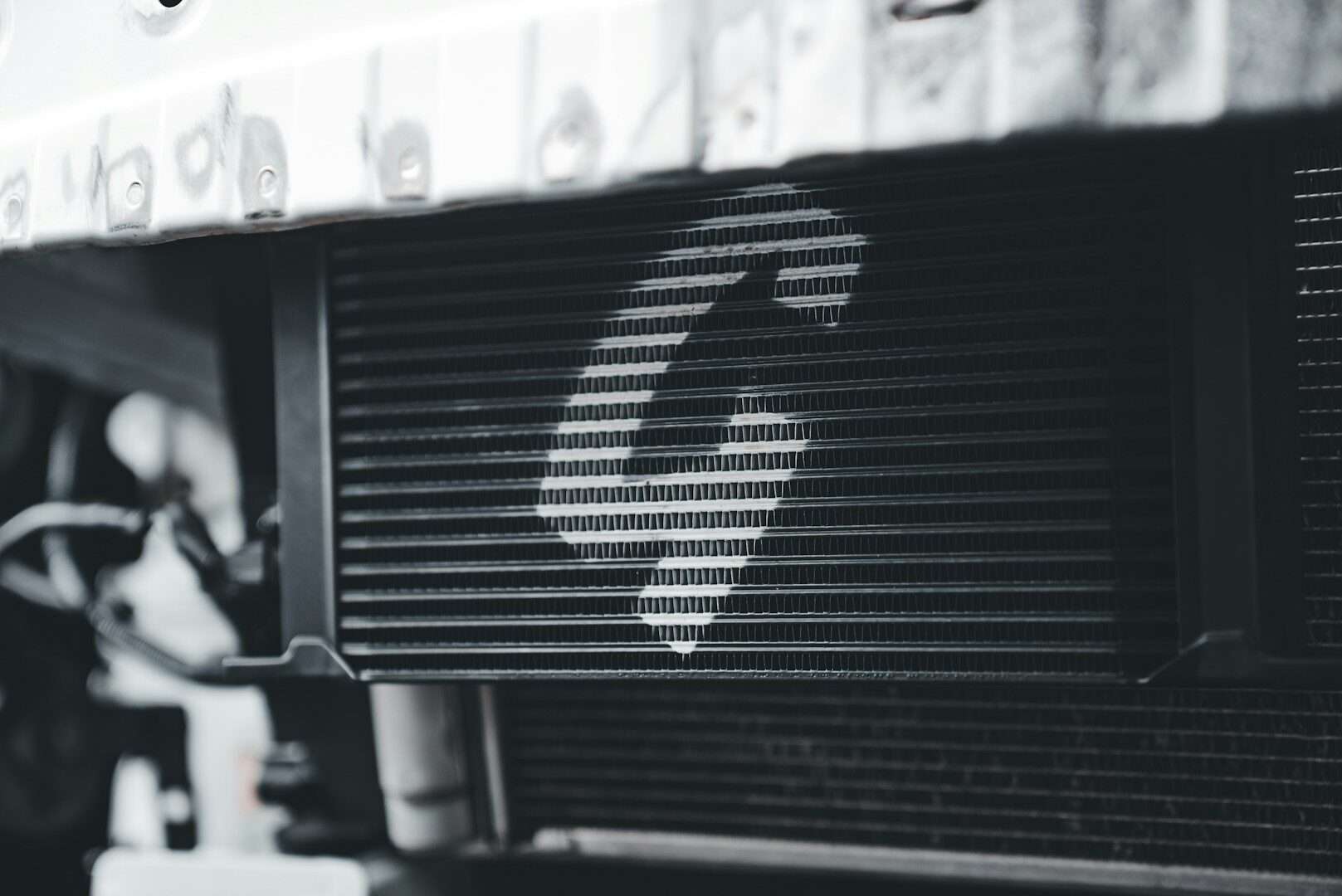
1,043 Radiators, Declared at $5.54 Each. The Parts Weren’t Fake — the Importer Was.
CBP seized 1,043 automotive radiators in Norfolk that were imported on a stolen American identity and declared at $5.54 each. The parts were not the fake part of this shipment.
-
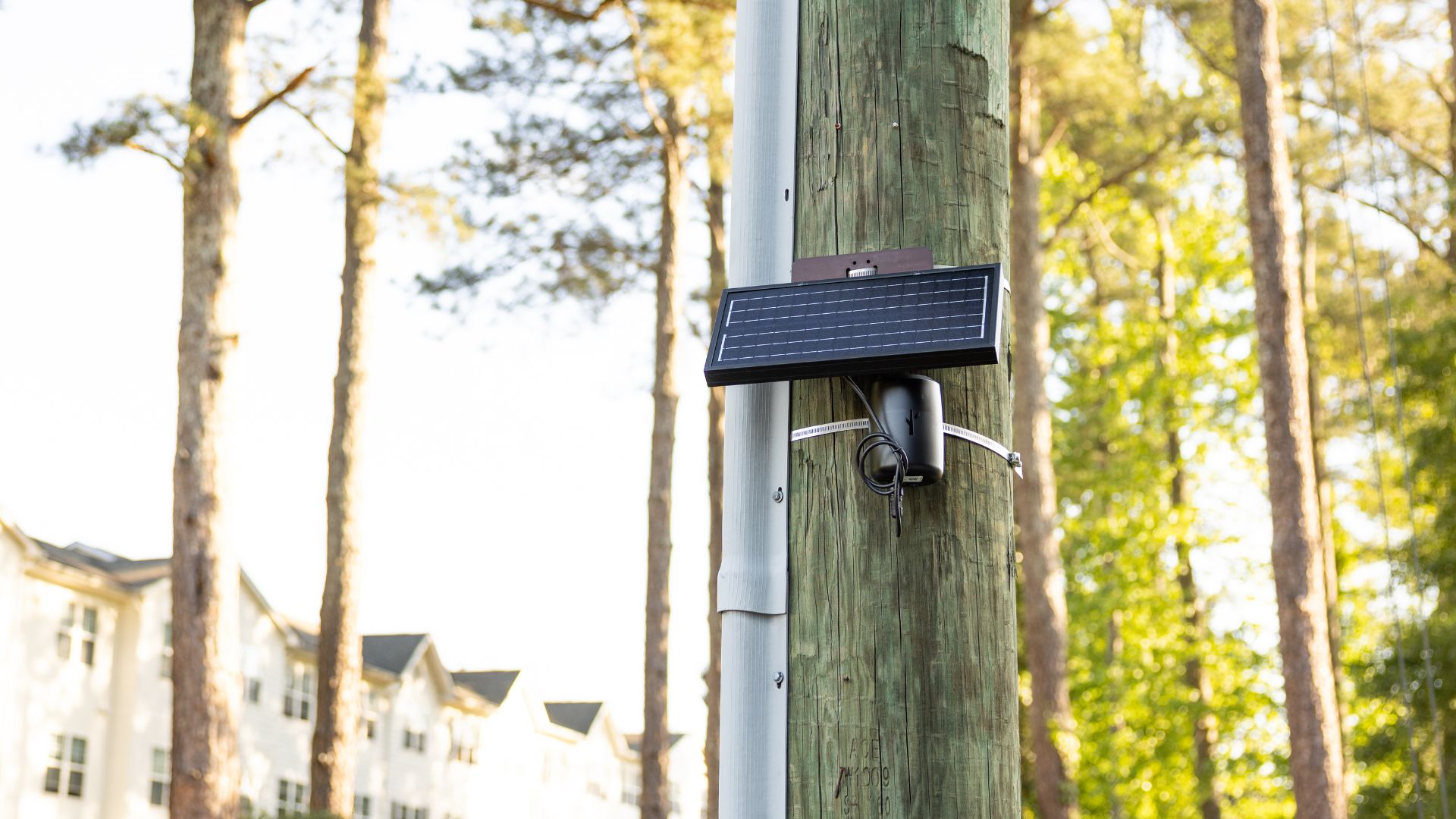
Florida County Has No Idea Where Mysterious LPR Cameras Came From
St. Lucie County revoked authorization for 52 license plate readers on county right-of-way, then discovered its own permit file could not account for every device in the field. The eviction is not the story. The missing registry is.
-
Staged Car Crash Bill: What H.R. 10269 Would Actually Change
There’s a con that plays out on highways and in parking lots: a car pulls in front of you, the driver taps the brakes for no reason, and weeks later your insurer is paying for a stranger’s neck injury. A new bill in the House wants to make that a federal crime. It’s worth reading…
-
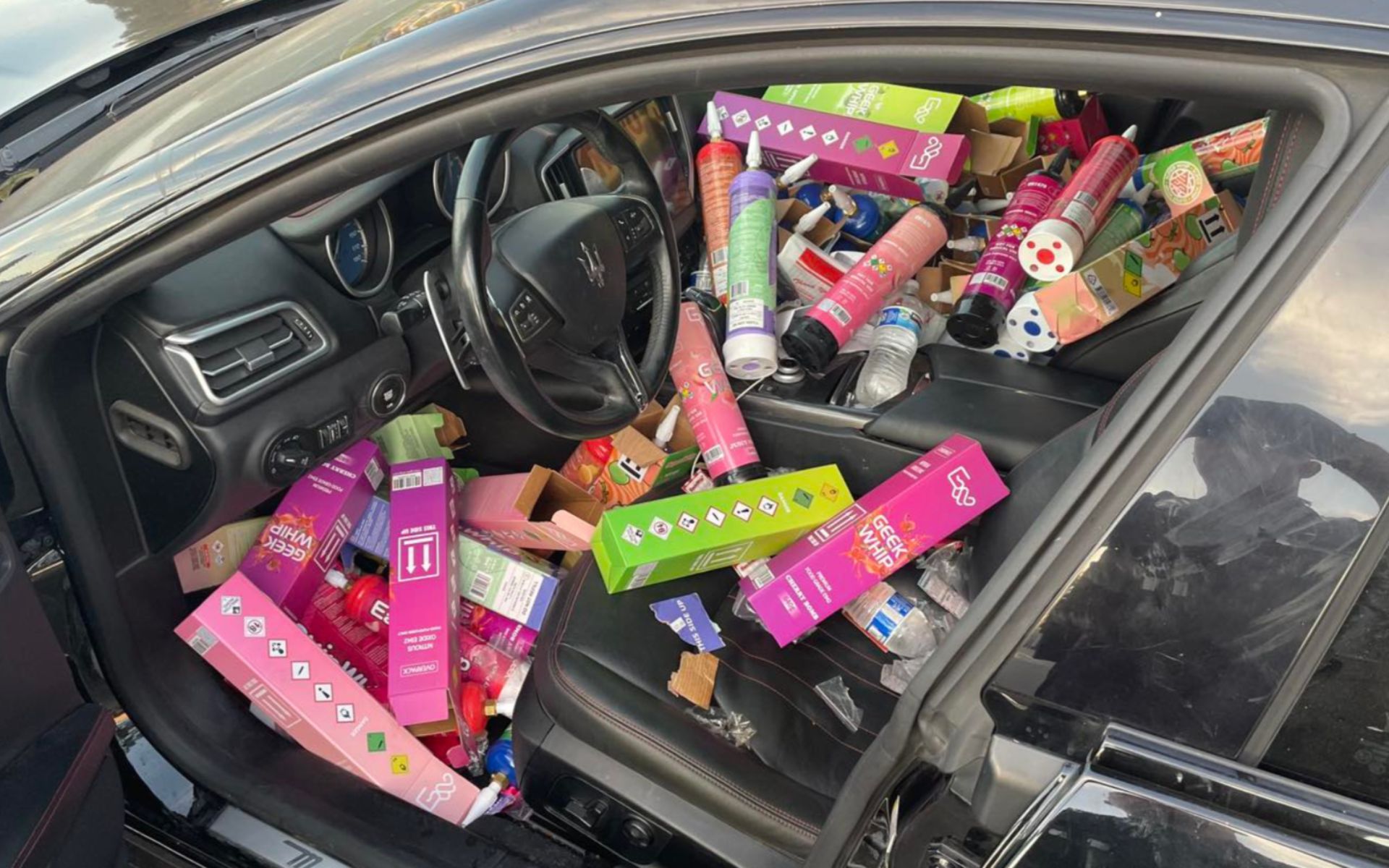
The Nitrous Ban Headed for a House Vote Protects Whipped Cream. Racers Get a 1972 Loophole.
H.R. 7945 would make any consumer product containing nitrous oxide a banned hazardous product 180 days after enactment. The bill carves out dentists, commercial kitchens, research labs and aerosol whipped cream. It says nothing about motorsports, which leaves the performance aftermarket relying on a 1972 definition rather than a deliberate exemption.
-
He Imported 44 Fake Honda Airbags. The Trademark Is What Made It A Federal Crime.
Twenty counterfeit Honda airbags reached the United States labeled as desktop night lights. The federal case that followed rests on trademark law, and that is exactly where American vehicle safety enforcement runs out of road.