
Ford spent the first week of July telling everyone how many records it broke in the first half of 2026. Read past the bullet points, though, and you find a quarter where total U.S. sales fell 10% to 549,200 vehicles. Both things are true at once, and untangling how gets you a much better picture of where the Blue Oval actually is than either the victory lap or the headline decline.
Start with the number Ford would rather you skip. That 10% drop is real, but it’s mostly self-inflicted and, from a margin standpoint, on purpose. Two chunks explain almost all of it: the deliberate wind-down of the Escape and Lincoln Corsair, and a 69% collapse in daily rental sales. Strip those out and assume flat rental volume, and Ford estimates the quarter would have edged up about 0.5% against a flat industry. Rental fleet sales are the empty calories of the car business—they pad volume, print terrible margins, and torch your residual values two years later when those ex-rental units flood the auction lanes. Ford walking away from 69% of that channel is bad for the top-line brag and good for anyone who buys a two-year-old Ford used. Fewer clapped-out rental returns means firmer resale value on the trucks and SUVs you actually paid retail for.
Related Articles
- The Toyota-Joby Deal Isn’t About Flying Cars — It’s About Who Can Actually Build Them
- The Fine Print Behind ‘Certified Pre-Owned’ That Dealers Hope You Never Read
Now the part Ford buries in a single tactful phrase. First-half F-Series sales of 357,801 units still crushed the Chevrolet Silverado by more than 80,000 trucks, but Ford admits the figure reflects “a retiming of commercial production following last year’s aluminum supply shortages.” Translation: the F-150’s body is the problem and the blessing. Ford went aluminum-intensive on the F-150 body back in the 2015 model year, and that aluminum sheet comes disproportionately from one Novelis hot mill in Oswego, New York—a plant that supplies roughly 40% of the U.S. auto industry’s aluminum sheet and caught fire more than once in the fall of 2025. Ford’s own Q3 2025 disclosures pegged the gross hit at up to $2 billion and outlined a plan to claw back roughly 50,000 F-150 and Super Duty units in 2026. So when Ford says F-Series demand “remains high” while volume slipped, believe it. The constraint was upstream metallurgy, not showroom traffic. Owners of aluminum-bodied F-150s already know the flip side of that trade: lighter truck, better payload and fuel economy, but body repairs require dedicated aluminum work bays, rivets, and adhesives that a lot of independent shops still don’t have—one reason collision estimates on these trucks run higher than you’d expect for a mainstream pickup.
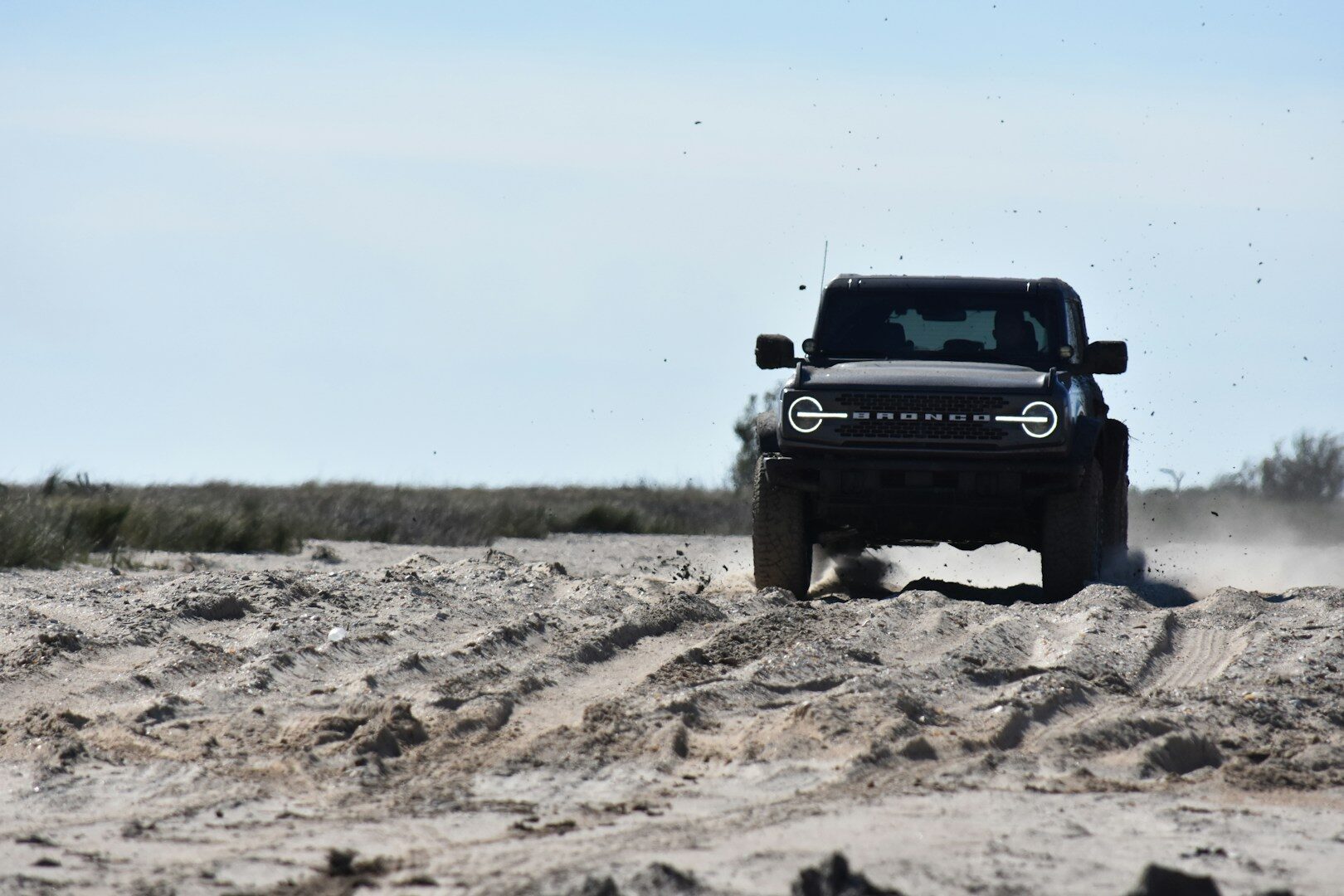
The genuinely strong story is the high-margin metal. Combined Bronco, Explorer and Expedition volume rose 10.1%, which Ford calls its best first half for that trio in 25 years. Explorer jumped 21% to 126,925 units, and the interesting detail is where the growth came from: the premium Platinum and Tremor trims surged 55.6%, far outpacing the volume Active and ST-Line grades. Bronco set first-half and Q2 records and outsold the Jeep Wrangler in the quarter—though note the fine print, that’s a Q2 win, not a first-half one, so the Wrangler rivalry is closer than the headline suggests. Zoom out and off-road performance trims—every Bronco, Raptor, Tremor and FX4 package—now make up 23.9% of Ford’s sales mix, with Tremor variants up a startling 118% year over year. That mix shift matters more than the raw totals. A Tremor or Raptor buyer is handing Ford thousands in high-margin option content, which is exactly how you grow profit while total volume shrinks.
The Mustang line deserves a footnote of context Ford won’t give you. First-half sales rose 22% to 28,725 cars, which Ford says outsells its nearest non-premium competitor sevenfold. That dominance is partly Ford’s doing and partly a graveyard: the Camaro is discontinued, Dodge’s V8 Challenger and Charger are gone, and the affordable rear-drive coupe field has essentially emptied out. Being the last pony car standing makes sevenfold leads a lot easier.
There’s also a wrinkle worth flagging for the people Ford is busy celebrating. The Maverick and Bronco Sport posted record and near-record numbers this half—Maverick Hybrid hit a Q2 record 29,457 units, and the entry Maverick XL remains the cheapest new pickup in America. Yet in June, Ford issued a do-not-drive advisory on roughly 4,653 of those same Maverick and Bronco Sport vehicles from the 2021–2026 model years, under recall 26S36, over front lower control arm ball joints that may have been assembled incorrectly. A ball joint that lets go at speed means losing steering control, which is why Ford is towing affected cars in rather than asking owners to drive to the dealer. If you own either model, running your VIN through Ford’s recall lookup is five minutes well spent before your next drive.
Related Articles
- Leasing vs. Buying: The Math Dealers Hope You Never Actually Do
- How to Actually Read Your Tire’s Sidewall Instead of Just Nodding at the Shop
The quieter growth story is software. Ford Pro Intelligence paid subscriptions climbed about 20% past 900,000, and BlueCruise passed 12 million cumulative hands-free hours. This is the recurring-revenue pivot every legacy automaker is chasing: sell the truck once, then bill the fleet operator monthly for telematics and uptime tools. Whether owners love subscription creep or not, it’s the highest-margin line on the sheet and the clearest signal of where Ford’s actual strategy sits.
Which brings you to what all of this is funding. The Escape and Corsair didn’t die for nothing—their Louisville Assembly Plant is being retooled to build an affordable four-door electric pickup on Ford’s new Universal Electric Vehicle platform next year. Ford is trading two mid-volume crossovers for a bet on a cheap electric truck, and this first-half report is essentially the sound of a company clearing the runway. The records are real. So is the fact that Ford is a smaller, more truck-and-SUV-concentrated automaker than it was a year ago—by design.