
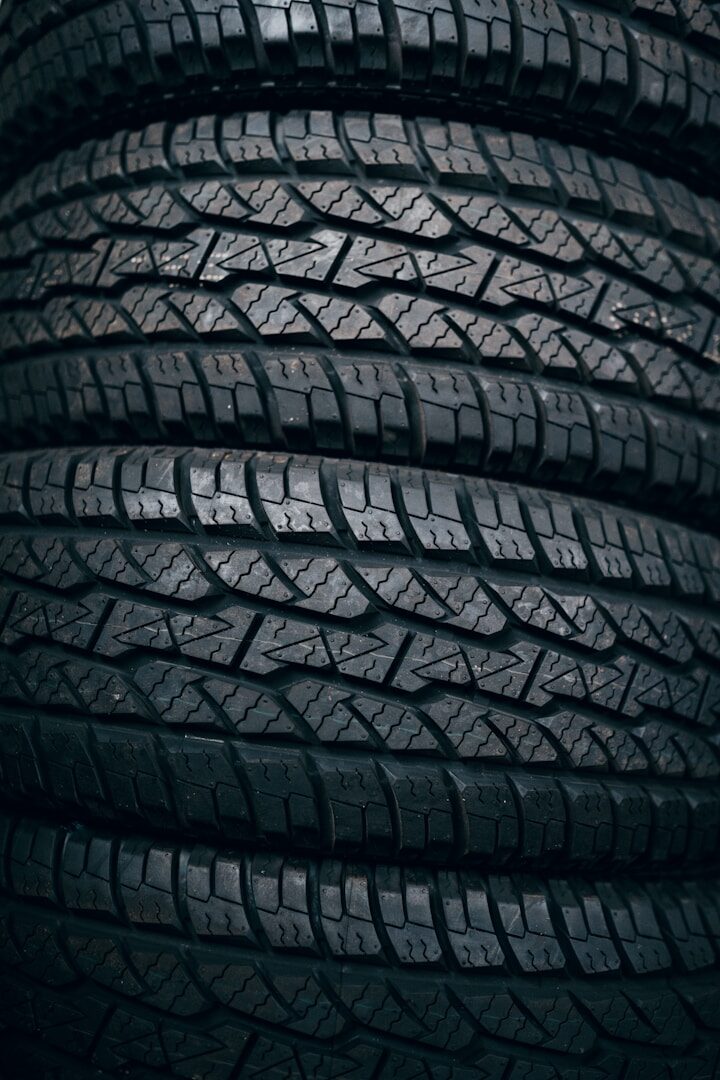
The side of your tire is covered in a jumble of numbers and letters that looks like a license plate had an argument with a math textbook. Most people never decode it, which is a shame, because that string tells you nearly everything you need to know to buy the right replacement and not get upsold into something you don’t need.
Check This Out: 5 Genius Garage Upgrades Under $100 That Make a Big Difference
Breaking Down the Big String: P225/65R17 95H
Take it piece by piece. The letter up front — often a P — tells you the tire type (P for passenger). The first number, 225, is the width in millimeters. The 65 is the aspect ratio: the sidewall height as a percentage of the width, so a lower number means a shorter, sportier sidewall. The R means radial construction, which is basically every modern tire. And 17 is the wheel diameter in inches that this tire fits.
That last pair — 95H — is the load index and speed rating. The 95 corresponds to how much weight the tire can carry, and the H is the maximum rated speed. Downgrade either one carelessly and you can compromise safety, so match or exceed what your car came with.
The Date Code Almost Nobody Checks
Here’s the sneaky one: the DOT code ends in a four-digit number that’s the manufacture date — week and year. “2223,” for instance, means the 22nd week of 2023. This matters because rubber degrades with age even if a tire has never touched the road. Buying “new” tires that have been sitting in a warehouse for five years is a real thing, and now you can spot it.
Why Any of This Actually Matters
Tires are the only part of your car touching the ground, which makes them the single most important safety component you routinely ignore. Reading the sidewall lets you replace like-for-like, resist unnecessary upsells, and catch old stock before it becomes your problem. And given how much dashboard tech now depends on systems that can misbehave, having a mechanical grasp of your own car is never a bad thing.
Five minutes with the sidewall and you walk into the tire shop as the informed party for once. That alone is worth the read.
Read Next: 10 Emergency Car Products You Hope You Never Need
Sources: DOT tire identification standards; tire manufacturer sizing guides.