
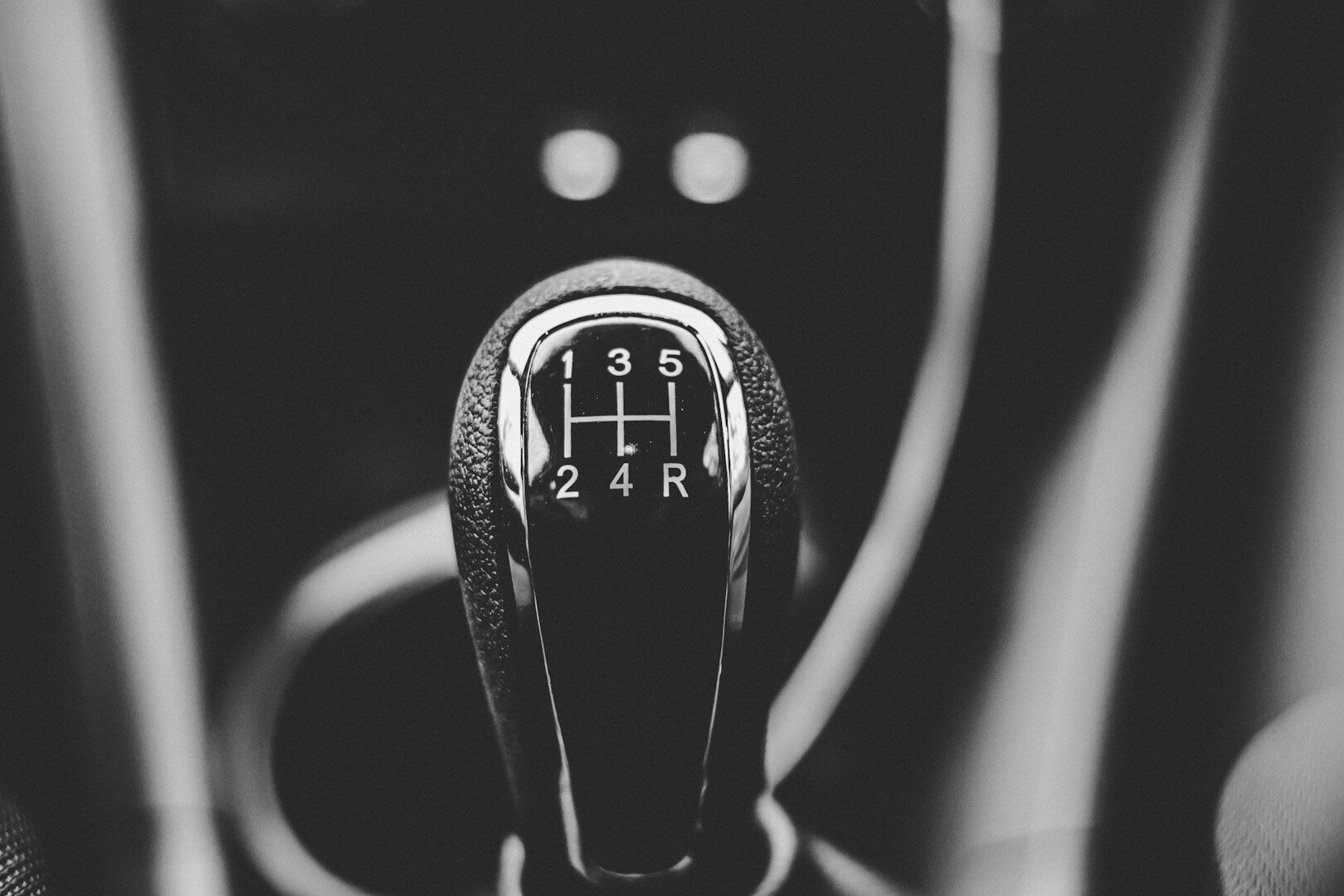
The manual-versus-automatic debate has the strange distinction of being simultaneously settled and unkillable. By every objective metric that matters to a spreadsheet, the automatic won years ago. And yet the argument keeps roaring back to life, because for a certain kind of driver this was never really about the spreadsheet.
Check This Out: 5 Genius Garage Upgrades Under $100 That Make a Big Difference
Where the Automatic Objectively Wins
Let’s be honest about where things stand. Modern automatics — especially dual-clutch and well-tuned torque-converter units — shift faster than any human, get better fuel economy than they used to, and don’t stall in bumper-to-bumper traffic while you contemplate your life choices. In pure performance terms, the machine beats your left foot.
So Why Won’t the Manual Die?
Because efficiency was never the point. A manual transmission asks something of you. It demands attention, coordination, a little rhythm between clutch and throttle that turns “operating a vehicle” into “driving a car.” That engagement is the entire appeal, and no amount of paddle shifters simulating the experience quite replicates the real thing.
An Unexpected Side Benefit: Theft Deterrence
There’s also the matter of theft deterrence, which has become an accidental selling point. As car crime keeps climbing and would-be thieves increasingly can’t drive stick, the humble clutch pedal has turned into a surprisingly effective anti-theft device. It’s grimly funny that a dying skill is now a security feature, but here we are.
The Practical Case for Each
If you sit in heavy commuter traffic every day, an automatic is genuinely the better tool — there’s no romance in riding a clutch through a two-hour crawl. If your driving involves winding roads, spirited weekend runs, or you simply want to feel connected to the machine, the manual earns its keep. Neither choice is wrong. They’re answers to different questions.
The Uncomfortable Reality Facing Stick-Shift Fans
The sad part is that the market is quietly deciding for us. Automakers keep dropping the manual option because take rates are low and the engineering costs don’t pencil out, which means the choice is being managed out of existence whether enthusiasts like it or not. Every model year, the list of cars you can even get with three pedals shrinks.
So if you’ve ever wanted to learn stick, the honest advice is: do it now, while cars that offer it still exist. Not because it’ll make you faster — it won’t — but because it’ll make you a driver instead of a passenger with a steering wheel. That’s worth something no automatic can quantify.
Read Next: 10 Emergency Car Products You Hope You Never Need
Sources: Manufacturer take-rate data; transmission engineering overviews.