
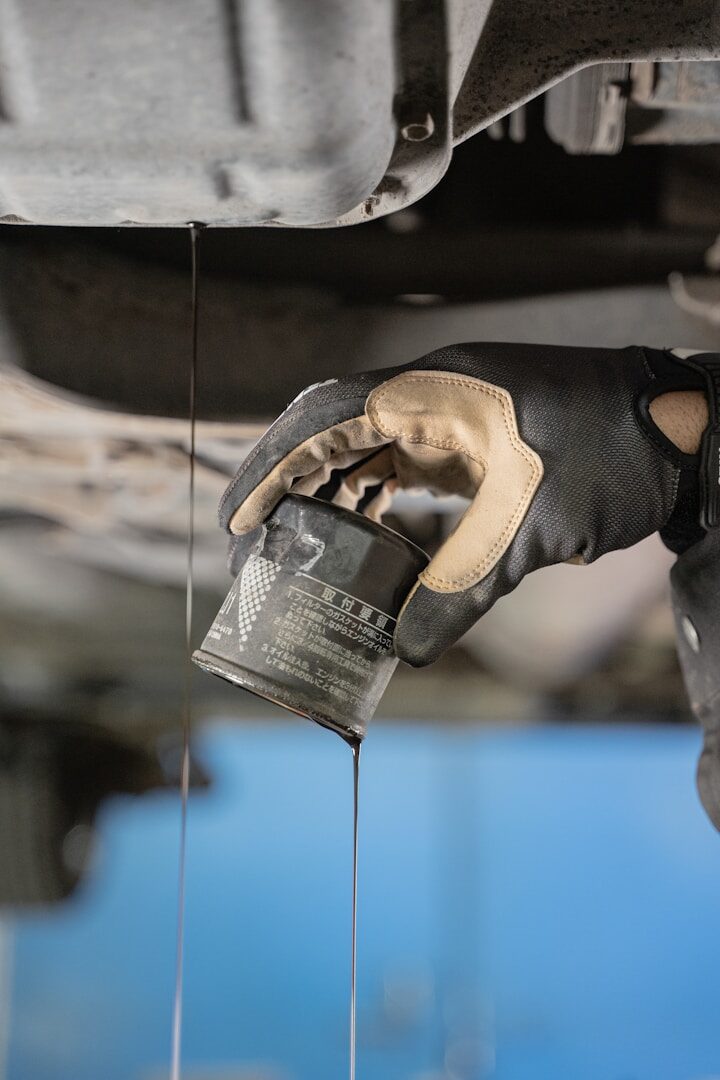
The 3,000-mile oil change is the automotive equivalent of a chain email your aunt still forwards. It was reasonable advice once, decades ago, and it has refused to die ever since — largely because the people who profit from changing your oil have zero incentive to correct you.
Check This Out: 5 Genius Garage Upgrades Under $100 That Make a Big Difference
Why the Old Rule Won’t Die
Modern engines and modern synthetic oils are dramatically better than the stuff that created the 3,000-mile rule. Insisting on that interval today mostly means paying for two or three extra oil changes a year that your car simply doesn’t need. It’s not dangerous. It’s just a slow leak in your bank account.
The Number That Actually Matters
The real answer is printed in your owner’s manual, and for most cars built in the last fifteen years it lands somewhere between 5,000 and 10,000 miles — sometimes more with full synthetic. Many vehicles now have an oil-life monitoring system that watches how you actually drive and tells you when it’s time, which is far smarter than a flat mileage rule. Trust the manual and the monitor over the sticker some quick-lube shop slapped on your windshield.
Severe Service Isn’t Just for Trucks
Here’s the catch most people miss: manufacturers publish a “severe service” schedule, and a huge number of us qualify without realizing it. Short trips where the engine never fully warms up, lots of stop-and-go traffic, extreme cold or heat, towing, or dusty roads all count. If that’s your daily reality, the shorter interval in the manual is the one that applies to you.
Synthetic vs. Conventional
Full synthetic oil costs more up front but flows better cold, resists breakdown at high temperatures, and generally lasts longer between changes. For most people it’s worth it — and if your engine requires synthetic, that’s not a suggestion. Skimping there is exactly the kind of corner-cutting that shows up later as expensive engine trouble. Staying on top of the boring maintenance is also what keeps you off the wrong end of a problem list that grows every year.
Don’t Overcorrect Either
The flip side: ignoring oil changes entirely is genuinely how engines die. Sludge builds, lubrication fails, and repair bills follow. The goal isn’t to change your oil as rarely as possible — it’s to change it exactly as often as your specific car, driven your specific way, actually needs. That number is knowable. It’s just not 3,000.
Read Next: 10 Emergency Car Products You Hope You Never Need
Sources: Manufacturer maintenance schedules; oil-life monitoring documentation.