
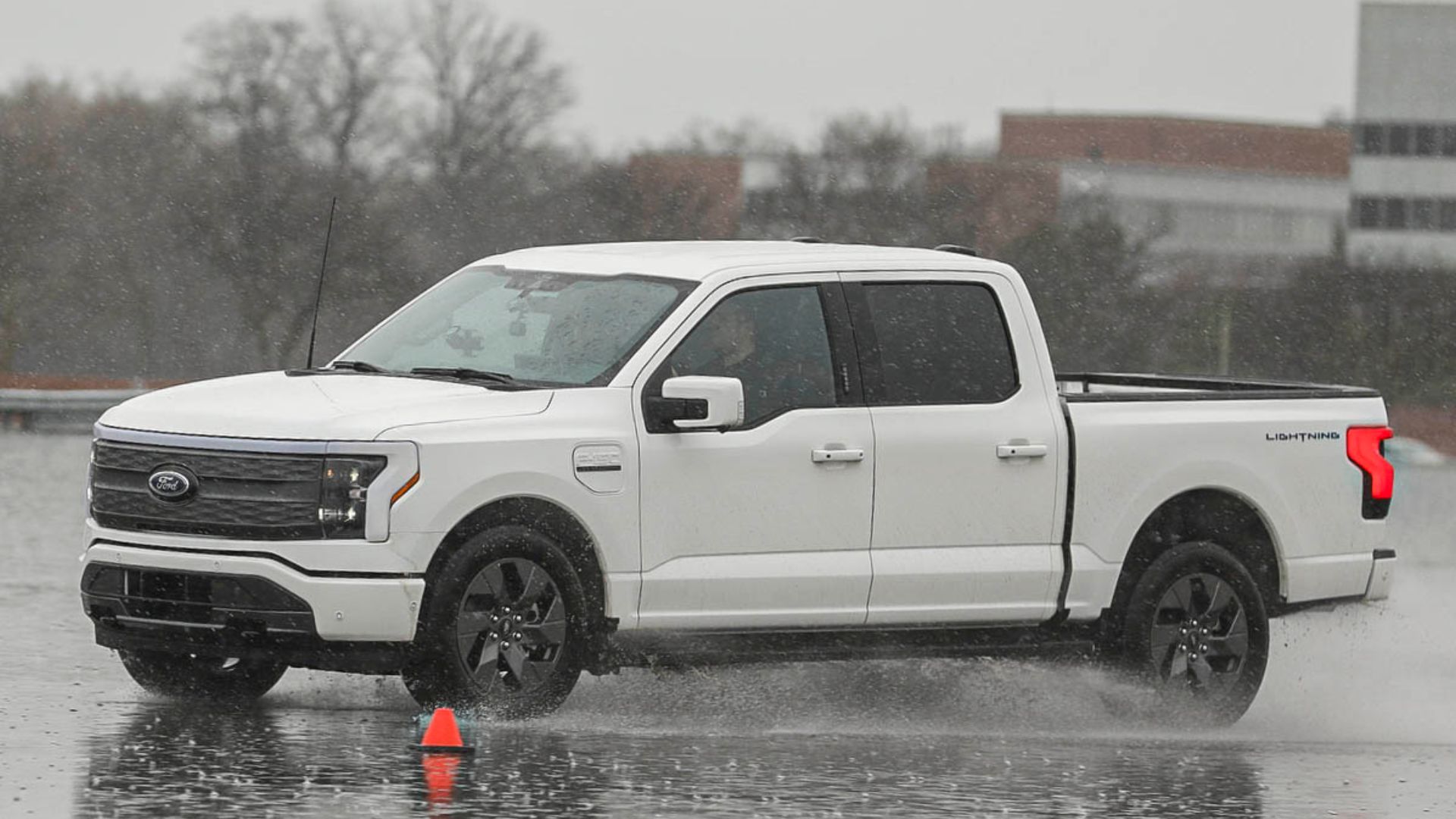

The Ford F-150 Lightning has been positioned as one of the flagship products of the American EV revolution — a truck that takes the best-selling vehicle in the country and electrifies it, proving that going electric doesn’t require giving up utility or capability. What doesn’t get mentioned in the glossy marketing materials is the role Amazon plays in the supply chain, and what it reveals about who is really driving EV adoption and under what conditions.
Amazon has made large purchase commitments for electric delivery vehicles, and its investment in Rivian is well-known. But Amazon’s influence on the broader EV commercial vehicle market extends further, and its working conditions for delivery drivers — who are doing the actual real-world testing of EV range and charging logistics under pressure — paint a different picture than the clean corporate sustainability announcements.

The broader issue the Lightning’s Amazon connection illustrates is the tension between the corporate sustainability narrative and the reality of how these vehicles actually get used in supply chains. EV range and charging logistics work differently under the time pressure and route density requirements of last-mile delivery than they do in the idealized use cases manufacturers present. Workers managing those real-world constraints don’t always have a positive experience to report.
None of this means the Lightning is a bad truck. By most accounts it’s genuinely capable and the available power output is impressive for a work truck. The production shutdown earlier in 2023 due to a battery fire was a setback, but the underlying product remains interesting for buyers with appropriate use cases.
The larger point is that EVs marketed as clean solutions exist within supply chains and labor structures that are anything but pristine. The carbon accounting that makes an EV look favorable doesn’t capture the full picture of what it takes to source the materials, manufacture the batteries, and operate the vehicles in commercial fleets. Buyers and advocates who care about the full environmental and social picture should be asking harder questions than the marketing answers.
Comments are closed.