
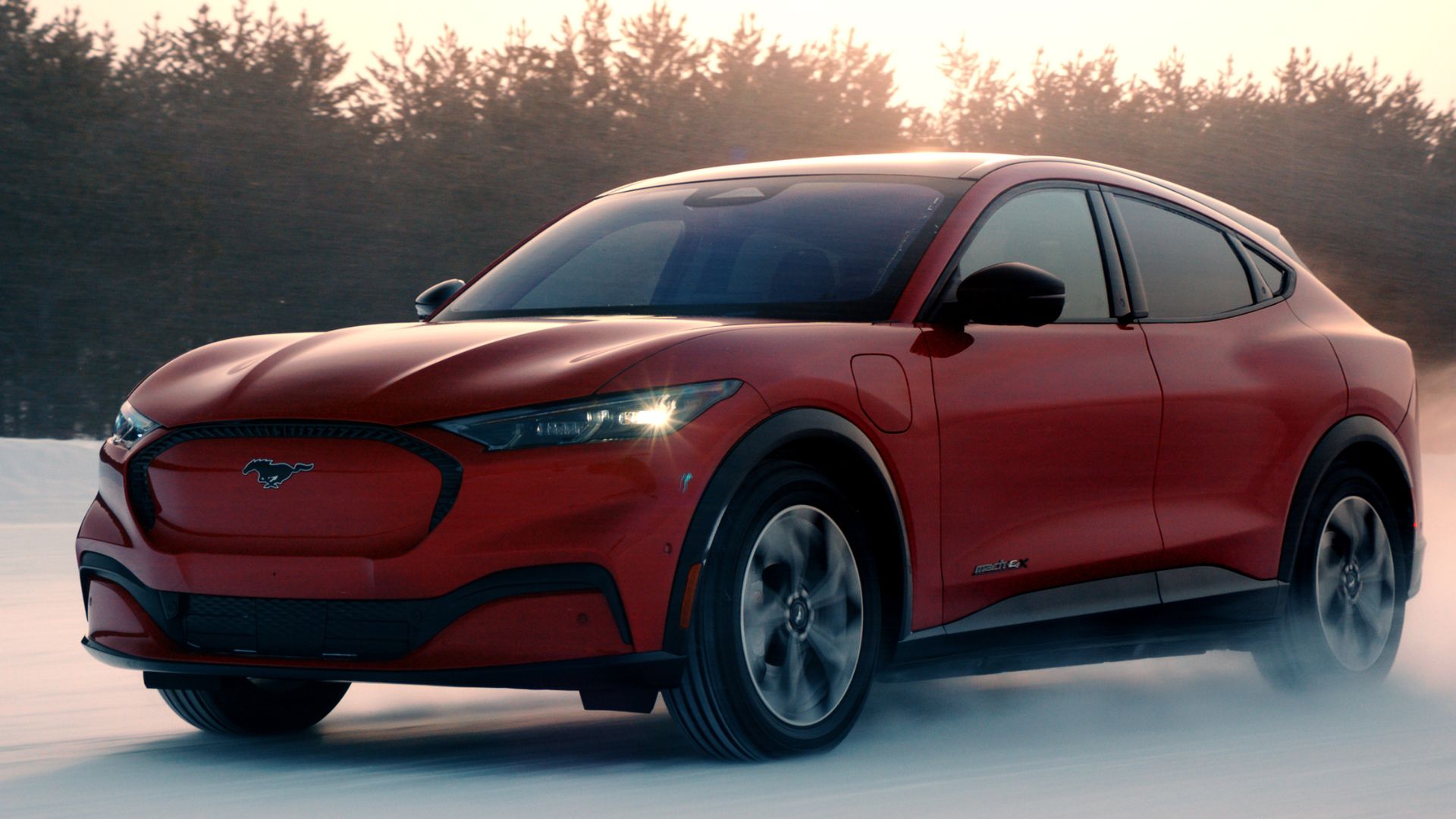

As EV adoption continues to grow, so does the practical and political debate about how electric vehicles perform in genuinely cold weather. This isn’t an abstract question for buyers in Minnesota, Wisconsin, Maine, Montana, or the upper Midwest generally — these are people who need their vehicles to function reliably when temperatures drop to 0°F or below and who can’t afford a vehicle that delivers meaningfully less capability in conditions they face six months of the year.
The science is clear and well-documented: lithium-ion battery capacity and performance degrades in cold weather. The degree of degradation varies by battery chemistry, thermal management system quality, and temperature, but a reduction of 20-40% in range at very cold temperatures compared to moderate temperatures is commonly reported across multiple EV models. For a vehicle rated at 300 miles of range in ideal conditions, that could mean 180-240 miles in a severe cold snap.
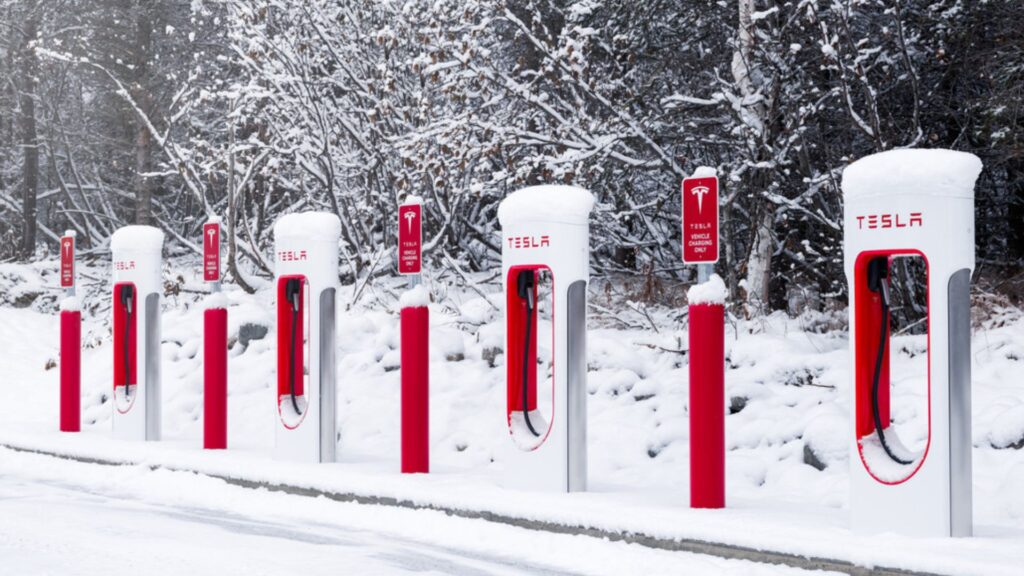
The range loss compounds with several factors that make cold weather driving more demanding. Running the heater draws significant power from the battery pack. Regenerative braking is less effective in cold weather. Snow and ice resistance increases rolling resistance. All of these factors combine in cold weather driving in ways that don’t similarly compound in a gasoline vehicle, where engine waste heat provides cabin warming essentially for free.
Preconditioning — warming the battery and cabin while still plugged in at home — is the primary mitigation strategy, and it works reasonably well for daily commuters with home charging. But it requires planning, disciplined habits, and crucially, access to a home charger. For buyers without home charging, or for unexpected cold-weather situations away from home, the winter range reduction is a real operational constraint.
The broader policy implication is that mandating EVs in regions with severe winter climates — without ensuring that the vehicles perform adequately in those conditions or that the infrastructure exists to support them — imposes a genuine burden on residents of those regions that doesn’t apply equally everywhere. Cold climate performance should be a mandatory disclosure and a higher-priority engineering focus for any EV program targeting mass-market adoption.