
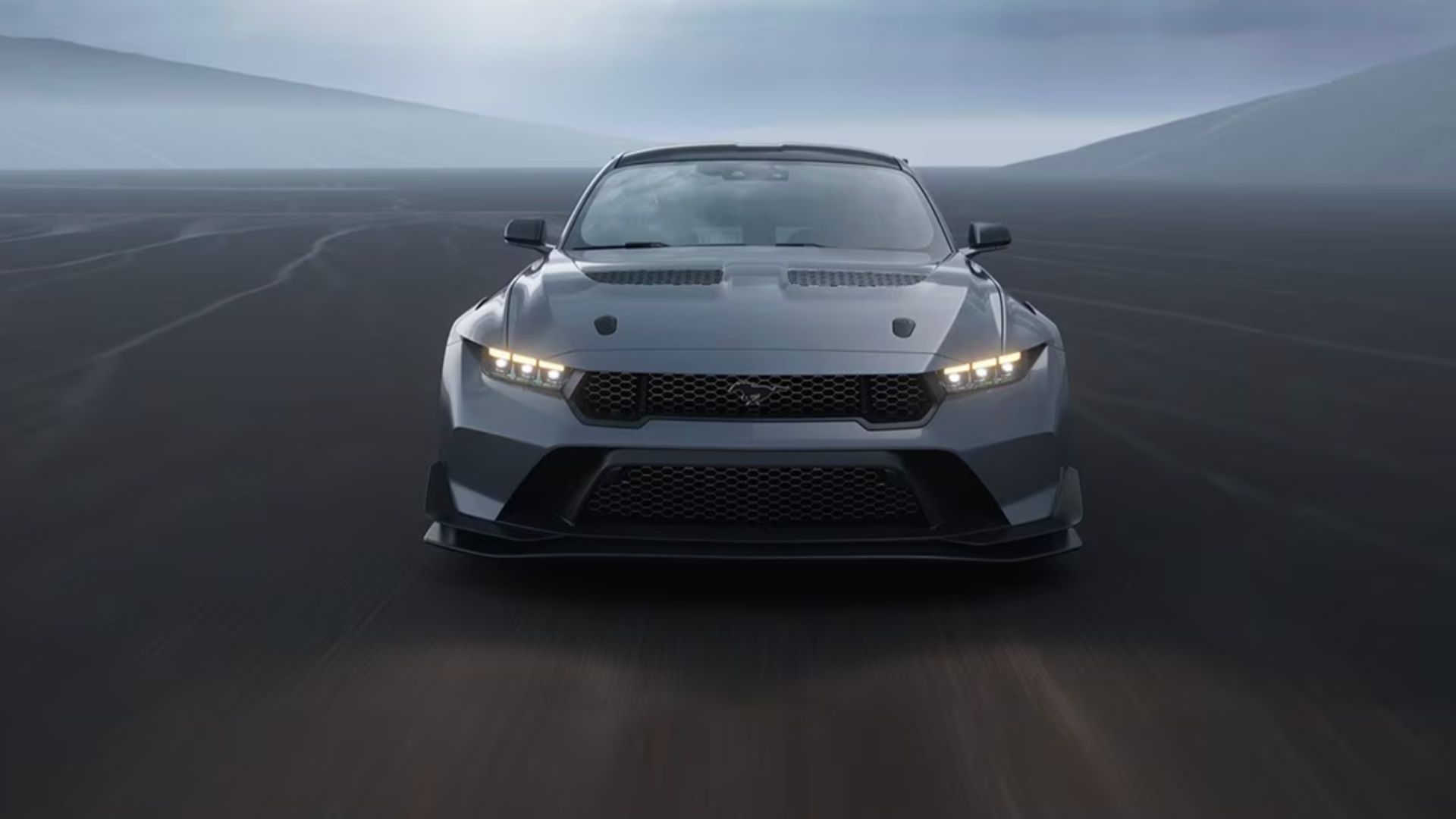
Ford just drew a legal line in the sand, and the aftermarket community wants to know which side they’re on. A popular YouTuber has reportedly received a cease-and-desist notice from Ford over a custom bodykit inspired by the Mustang GTD — the brand’s most exclusive, race-derived performance car. What started as one builder’s passion project has exploded into one of the most divisive debates in car culture this year.
More Stories Like This
- Ford Fires Back at Corvette with Nürburgring Shocker as Mustang GTD Rewrites the Rules
- Ford Mustang GTD Production Hits Record Pace in September
- Ford Quietly Drops Shelby Name on New Mustang and the Reason Might Come Down to Millions
- 870-HP Mustang RTR Spec 5 Out-Muscles Ford’s $327K GTD at Half the Price
- Ford Recalls Over 1,000 Supercharged Mustangs for Risk of Unintended Acceleration
The question everyone in the enthusiast world is now asking: is Ford protecting its investment, or is it going after the very community that keeps Mustang culture alive?
Why the Mustang GTD Makes This Fight Different
This isn’t a dispute over a run-of-the-mill pony car. The Mustang GTD is Ford’s halo vehicle — a road-going machine derived from GT3 racing technology, priced at over $300,000 and built in extremely limited numbers. It’s not just a car. It’s a statement.
When automakers pour that kind of money into a flagship, their legal teams protect its design like a crown jewel. That’s the business reality. But it’s also what makes Ford’s move so charged — the GTD’s design is exactly what inspires builders, fabricators, and creators in the first place.
What Actually Happened
According to reports spreading across enthusiast forums and social media, Ford sent a cease-and-desist notice to a YouTuber who had been developing or promoting a Mustang GTD-inspired aftermarket bodykit. The letter signals that Ford considers the design close enough to its own intellectual property to take legal action.
More Stories Like This
- The EPA Is Targeting Aftermarket Car Modifications
- 870-HP Mustang RTR Spec 5 Out-Muscles Ford’s $327K GTD at Half the Price
- Ford Quietly Drops Shelby Name on New Mustang and the Reason Might Come Down to Millions
- Ford Fires Back at Corvette with Nürburgring Shocker as Mustang GTD Rewrites the Rules
- Ford Recalls Over 1,000 Supercharged Mustangs for Risk of Unintended Acceleration
The reaction was immediate — and it cut both ways.
Some enthusiasts backed Ford. Developing a car like the GTD costs hundreds of millions of dollars, and allowing replicas to circulate freely dilutes the exclusivity that makes the real thing worth building. That’s a legitimate concern for any automaker with a halo car.
But a much louder crowd sees something more alarming: a major corporation using lawyers to shut down a creator who was, by most accounts, celebrating the GTD — not undermining it.
The Aftermarket Has Always Lived in This Gray Zone
Here’s what makes the situation genuinely complicated.
For decades, the aftermarket industry has run on inspiration from factory cars. When Dodge drops a Widebody Challenger or Ferrari releases a new GT, it doesn’t take long before body kits, aero components, and styling packages inspired by those designs start hitting the market. It’s how the ecosystem works. Builders make factory performance accessible to enthusiasts who can’t afford the real thing.
No one has ever loved a car brand more enthusiastically than the builders, tuners, and YouTubers who spend their own money recreating its best designs. Ford knows this. Their own marketing strategy depends on it.
So when a cease-and-desist enters the picture, it doesn’t just affect one builder. It sends a chill through every shop and fabricator working on a project that takes design cues from a factory vehicle.
The Real Stakes for Builders and Creators
This dispute matters well beyond one YouTube channel.
Small fabrication businesses, independent content creators, and aftermarket kit manufacturers are all watching closely. Legal action — even just the threat of it — can force shops to abandon projects mid-development, pull products from their catalogs, and rethink future builds from scratch.
The YouTuber at the center of this story is one person. But the precedent Ford sets here could affect thousands of people working in the enthusiast space.
That’s why the community isn’t just sympathizing with the creator — they’re worried about themselves.
Where This Is Headed
Nobody outside of Ford’s legal team knows exactly how this ends. The cease-and-desist may be a warning shot that leads to a quiet resolution. It may escalate. Or it may become the test case that forces a broader conversation about design rights, aftermarket freedom, and where the law actually stands when a fan-built bodykit looks a lot like a $300,000 factory car.
What is clear is that the car community isn’t letting this one go quietly.
Ford built one of the most exciting vehicles in recent memory with the Mustang GTD. The enthusiasts who followed that story, built those tribute projects, and made it a cultural moment are now wondering if the automaker sees them as fans — or as a legal liability.
That’s a tension worth watching.