
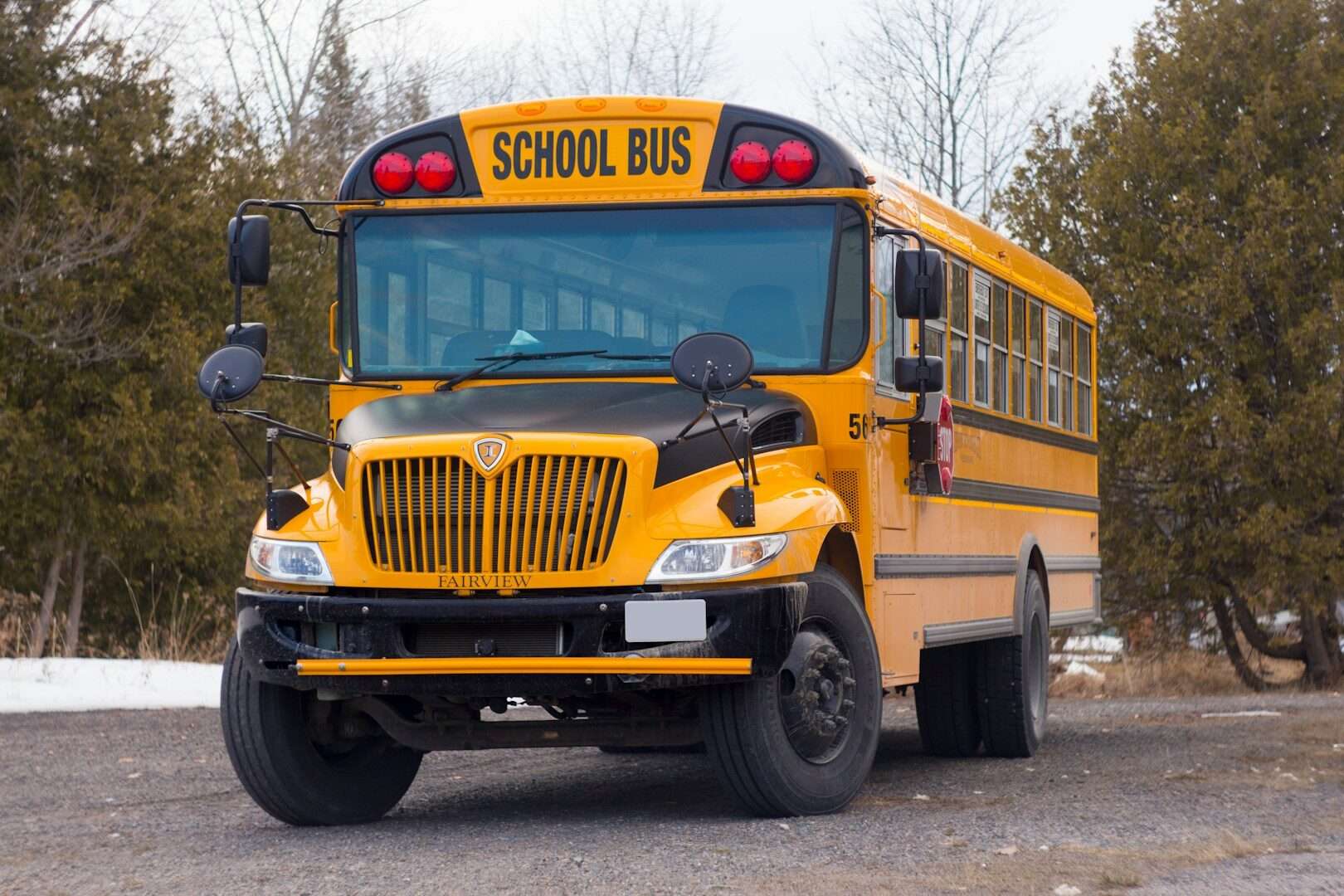
Fuel costs don’t just hit you at the pump — they’re now draining public school budgets at an alarming rate. Some school districts across the country are spending upwards of $200,000 extra per month just to keep their buses running, and the financial strain is forcing administrators to make painful decisions about where to cut spending elsewhere.
Milwaukee Public Schools has emerged as one of the most striking examples of this crisis. The district reported an additional $148,000 fuel expenditure in March alone, a figure that has only grown in subsequent months as pump prices continue climbing. When you multiply that kind of overrun across hundreds of school districts nationwide, the scope of the problem becomes staggering.
The crisis is directly tied to the sustained fuel price spike that has been reshaping transportation budgets everywhere. As we reported in April when gas hit a four-year high, the ripple effects of elevated oil prices extend far beyond individual drivers — they flow into every institution that depends on wheels to function.
School officials note that they have very little flexibility in their transportation obligations. Unlike a private driver who can work from home or carpool, school districts are legally required to provide transportation for eligible students. That means they absorb price increases without the option to simply drive less. Fixed routes, fixed schedules, and fixed obligations make fuel cost increases almost impossible to offset in the short term.
Some districts have begun exploring electric school bus programs as a longer-term hedge against fuel volatility, though the upfront capital costs remain a significant barrier for budget-constrained municipalities. Others are looking at route consolidation and efficiency audits, but those measures take time to implement and rarely close the full gap when fuel costs spike this sharply.
The broader question this raises is whether the federal government or state legislatures will offer emergency relief to districts caught in the price squeeze. So far, no coordinated aid package has materialized, leaving individual districts to patch together solutions on their own. For families and educators already stretched thin, the math is becoming increasingly difficult to ignore.
Source: Jalopnik