
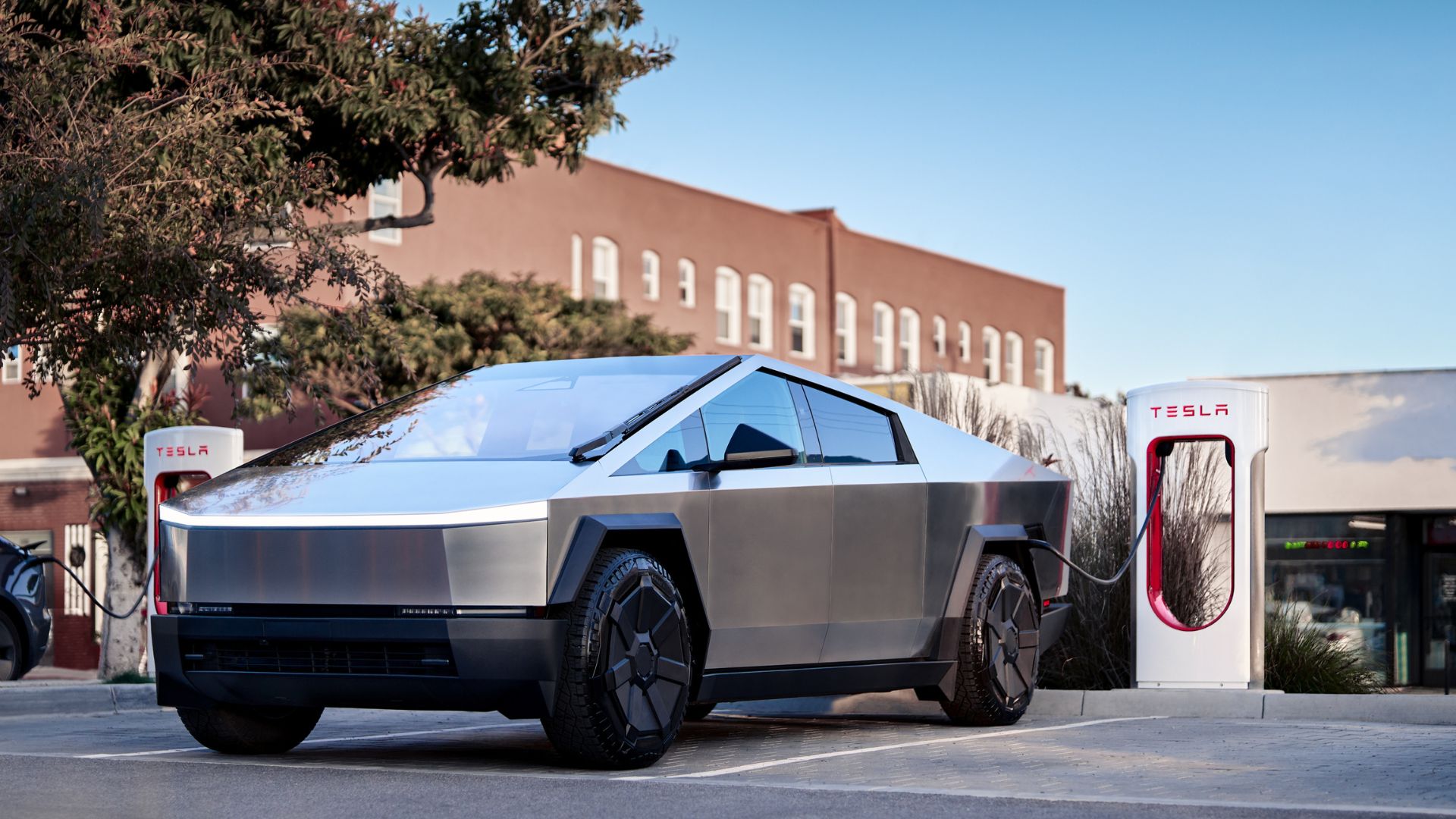
Tesla has announced it is working on technology that would allow the company to remotely disable vehicles belonging to individuals who steal charging cables from Tesla Supercharger stations, taking an aggressive and technically innovative approach to a theft problem that has been creating significant costs for the EV infrastructure network. The concept, which leverages Tesla’s connected vehicle architecture and its ability to identify vehicles by their connected systems at charging stations, would effectively create a consequence for charging cable theft that goes beyond the criminal justice system by directly affecting the stolen property value and usability of the thief’s vehicle.
The proposal raises interesting legal questions about the scope of authority a private company has to remotely disable another person’s vehicle, even when that vehicle belongs to someone who has committed a crime against the company’s property. Tesla has framed the capability as deterrence rather than punishment, noting that the ability to identify and act against offenders creates a meaningful consequence where previously the low value of any individual charging cable relative to prosecution costs made the theft relatively low-risk for perpetrators. How regulators and courts would view the deployment of remote vehicle disabling technology by a private company remains an open and consequential question.
Related Articles
- Fleeing Thieves Foiled By A Tesla’s Dead Battery
- Thieves Stoop To Stealing Children’s Pedal Cars
- EV Charging Stations Become The Latest Theft Target
- Houston Owner Stranded After Tesla Stolen From Service Center
Comments are closed.