
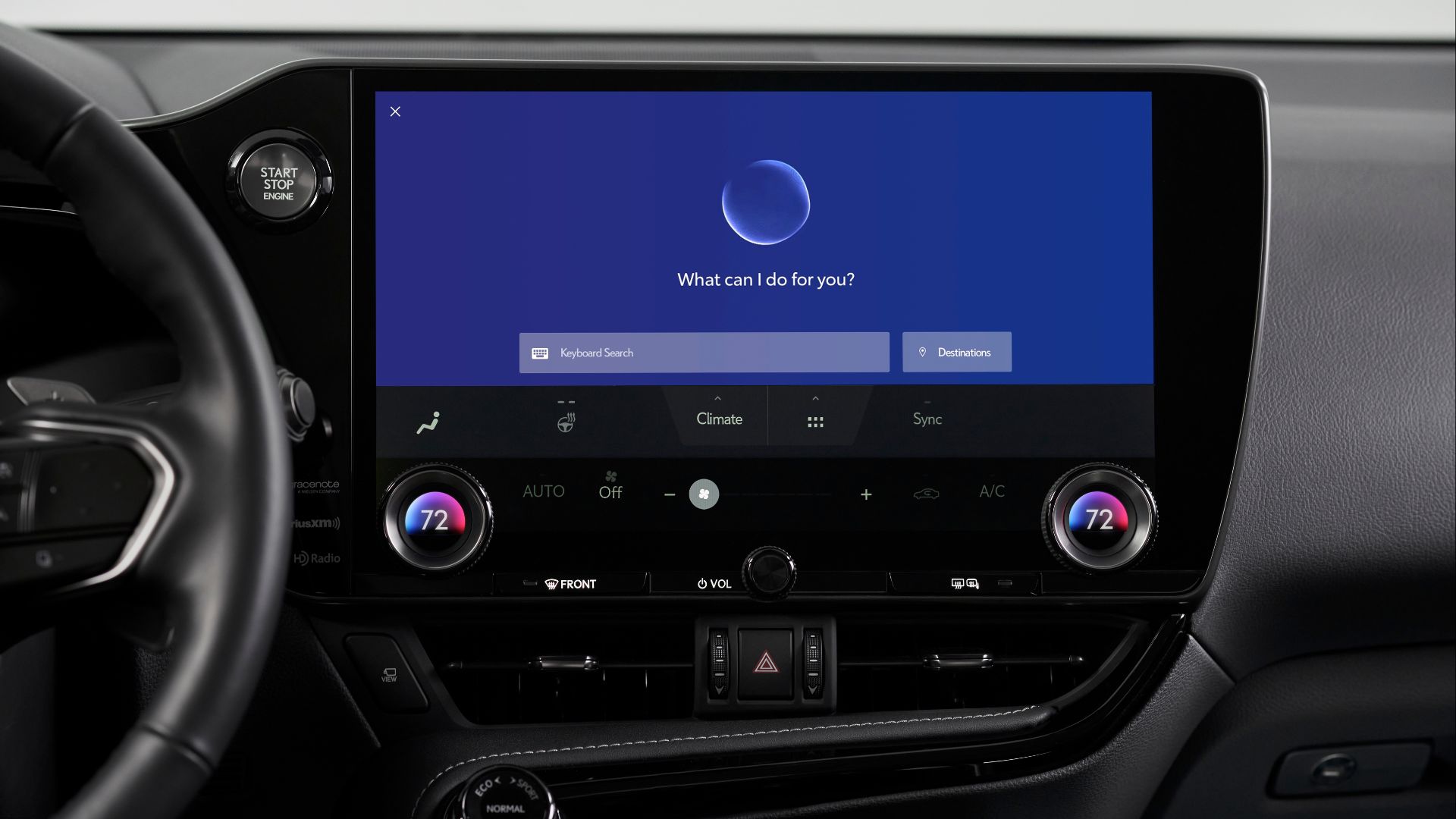
A JD Power study has found that artificial intelligence-driven features integrated into modern vehicles are contributing to higher owner satisfaction scores, suggesting that AI applications in infotainment and vehicle management are beginning to deliver on their promise after years of mixed early results.
Voice recognition systems powered by large language models have shown the most consistent improvement, with owners reporting that natural language commands for navigation, media, and climate control are becoming reliably accurate enough to use without frustration. Earlier voice systems that required specific phrasings generated significant dissatisfaction.
Predictive features that learn driver preferences and anticipate actions — such as suggesting frequent destinations, adjusting seat and mirror positions automatically, or pre-conditioning the cabin based on calendar appointments — also received positive feedback when they worked as intended.
Reliability remains an important qualifier. Features that work consistently generate strong satisfaction; the same features when they malfunction or produce unexpected behavior can generate frustration that exceeds the baseline without them. Automakers face the challenge of ensuring AI-driven features meet the reliability expectations vehicle owners hold for all systems in their cars.
JD Power uses owner satisfaction data to produce its widely referenced Power Circle ratings, and manufacturers with strong AI feature scores in the study can be expected to incorporate the findings into their marketing communications.
Comments are closed.