
Porsche has adjusted its electric vehicle expansion timeline, slowing the pace of EV model introductions and production ramp-up in response to demand that has developed more gradually than the company projected when it committed to an ambitious electrification roadmap.
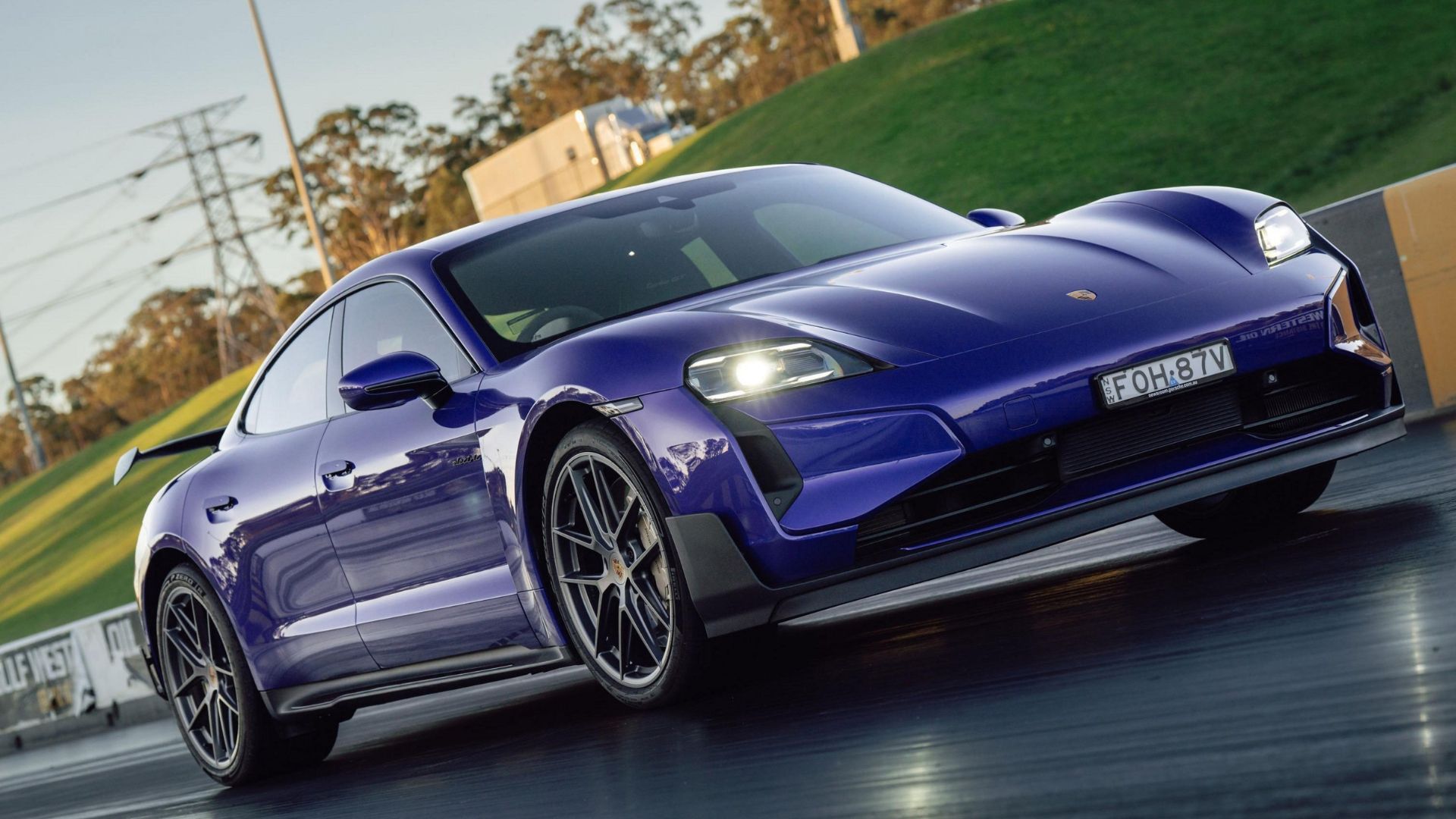
The Porsche Taycan, the brand’s first fully electric model, launched with strong early reception but has seen sales volatility as the initial wave of early adopters within the Porsche buyer base has been absorbed and mainstream customer uptake has proved harder to sustain at the volume and pace the company anticipated.
Porsche had announced plans to have the majority of its new vehicle sales be electric by 2030. The revised approach maintains that directional commitment but builds in more flexibility about the pace of transition based on market realities rather than aspirational timelines.
The company continues to offer and develop its combustion and hybrid lineup alongside the electric models, a position that differentiates it from manufacturers that have committed more firmly to EV-only futures in the near term.
Porsche’s financial performance as a luxury brand depends on maintaining price integrity and customer satisfaction, and oversupplying a market that is not yet ready to absorb planned volumes would carry significant brand and residual value consequences that the company is clearly working to avoid.