
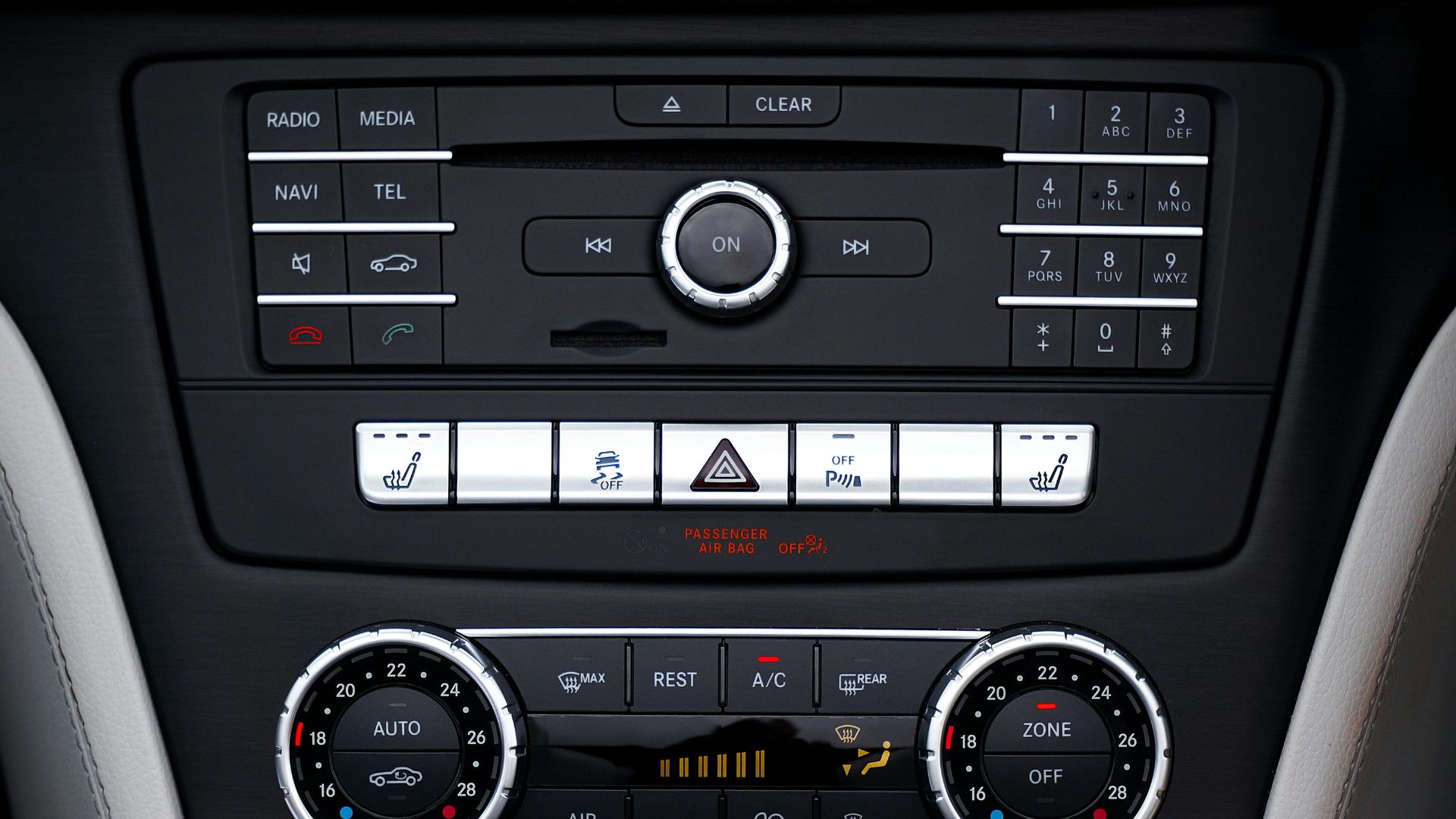
Congress is advancing legislation that would require automakers to include AM radio receivers in new vehicles, reversing a growing trend among manufacturers, particularly those producing electric vehicles, to omit the technology from their infotainment systems.
The push for a federal mandate grew out of concerns raised by emergency management agencies and broadcast industry advocates who argue that AM radio serves a critical public safety function during natural disasters and infrastructure disruptions.
Unlike cellular networks and internet-based services, AM radio operates through a robust broadcast infrastructure that can continue transmitting when power outages and storm damage knock out cell towers and internet connections. During major hurricanes, wildfires, and other disasters, AM stations have historically served as primary sources of emergency information.
Automakers began removing AM tuners from certain electric vehicle models citing electromagnetic interference between the electric drivetrain components and the AM band, which operates at frequencies more susceptible to that type of noise than FM.
The bill being considered in Congress would mandate that all new passenger vehicles include functional AM broadcast reception, with manufacturers required to engineer solutions to any interference issues rather than simply removing the capability.
Not all automakers eliminated AM radio. Many brands retained the feature across their lineups, and some EV manufacturers addressed the interference challenges with shielding and signal filtering. The legislation would extend that requirement to all manufacturers.
The automotive industry has generally opposed the mandate, arguing that market forces and voluntary action are sufficient, and that federal hardware requirements introduce costs and engineering constraints without proportionate safety benefit.
Emergency management officials and first responders have largely supported the bill, pointing to documented cases where AM radio broadcasts provided critical guidance during events when other communications channels were unavailable.