
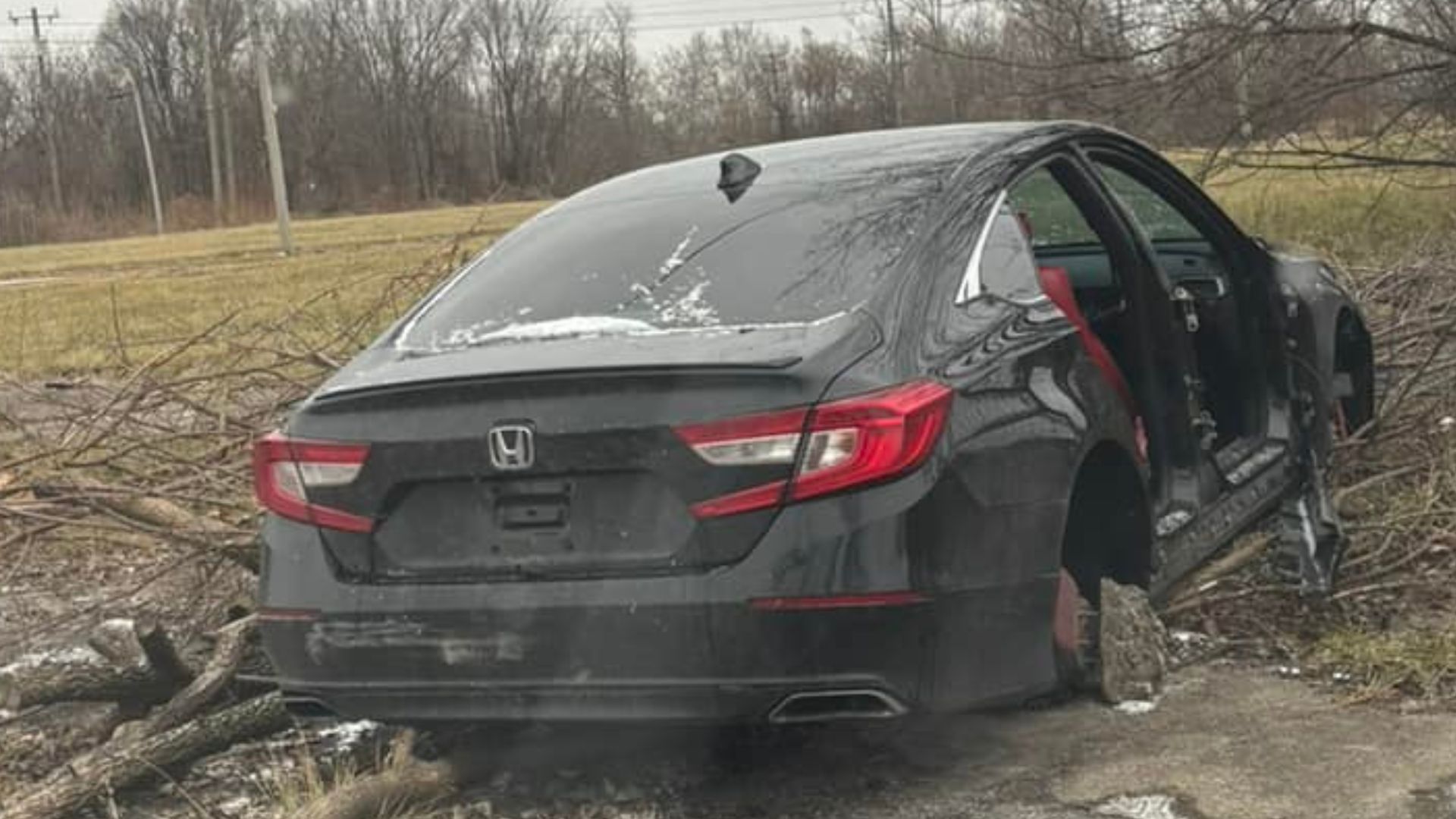
Vehicle theft in the United States fell sharply in the first half of 2025, with the National Insurance Crime Bureau reporting a decline of approximately 23 percent compared to the same period a year earlier.
The drop continues a downward trend that began taking shape in 2024, when auto theft started retreating from the elevated levels seen in 2022 and 2023. Analysts point to several factors contributing to the shift, including law enforcement crackdowns, improved public awareness, and advancements in vehicle security technology.
The Kia and Hyundai theft surge that defined much of the 2022 to 2023 spike has also moderated significantly. Manufacturer software updates and targeted law enforcement operations against organized theft rings in major cities reduced the outsized impact those brands had on national statistics.
Despite the overall positive trend, theft rates are not declining uniformly across the country. Several major metropolitan areas continue to experience elevated numbers, and certain vehicle models remain disproportionately targeted. Trucks, SUVs, and older model years without modern immobilizer systems continue to face higher risk.
Catalytic converter theft, while categorized separately from vehicle theft, also showed signs of declining, partly due to legislation passed in multiple states that increased penalties and restricted the secondary market for stolen converters.
Security experts caution that a declining trend does not eliminate personal risk. Even in lower-crime areas, basic precautions such as keeping vehicles locked, using visible deterrents, and parking in well-lit locations remain valuable practices.
Insurance claims data from the period also reflected the improvement, with fewer comprehensive theft claims being filed compared to the prior year.
Law enforcement agencies credited sustained multi-agency operations and community tip programs as contributors to the improvement, alongside the structural changes in how stolen vehicles are processed and resold that have made chop shop operations more difficult to run profitably.