
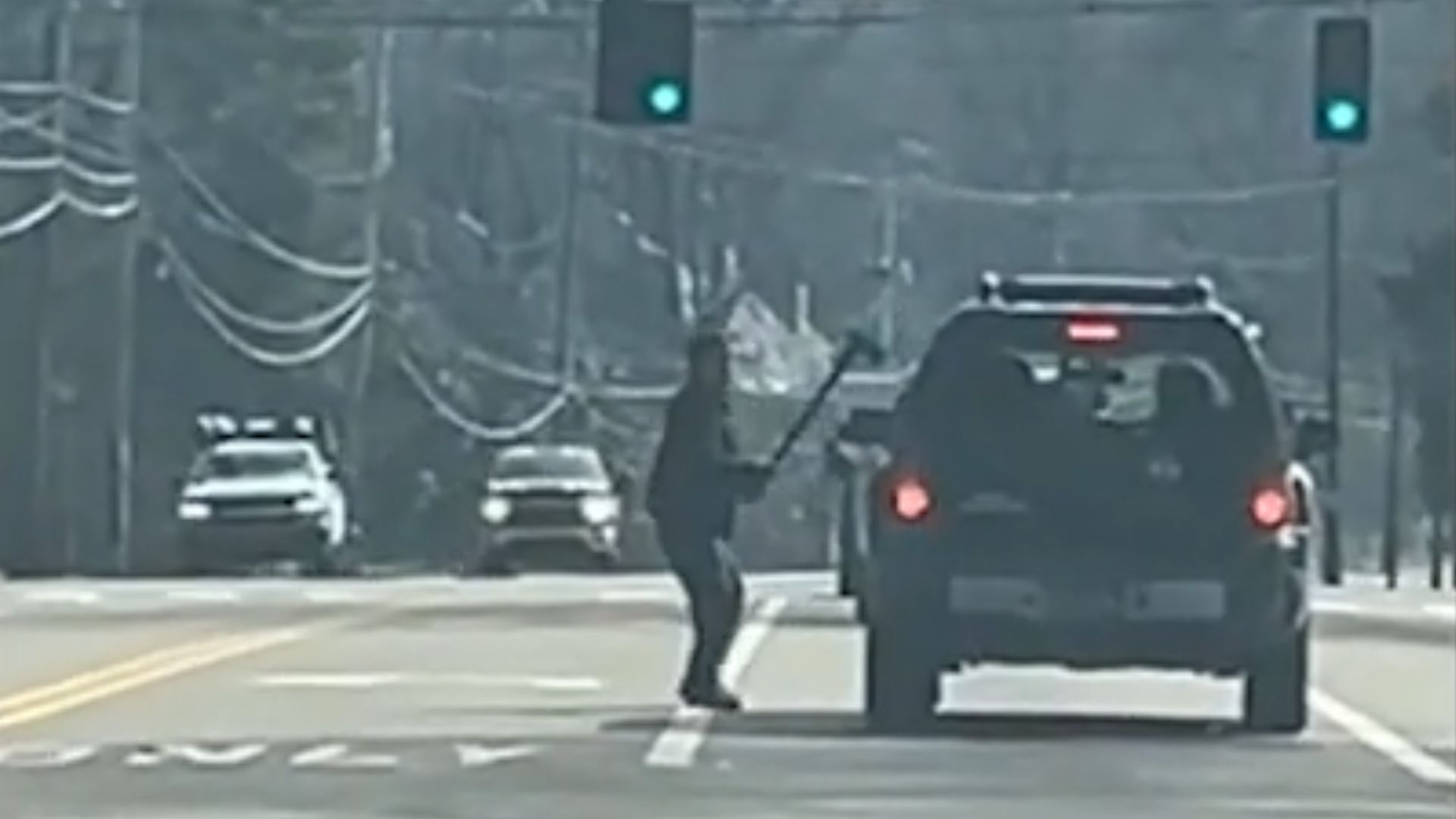
Almost every driver on the road has engaged in some form of aggressive behavior over the past year, according to a new study from the AAA Foundation for Traffic Safety.
Nearly Universal Aggressive Behavior
Researchers found that 96% of U.S. drivers admitted to actions that fall under the umbrella of road rage, ranging from speeding and tailgating to intentionally cutting off other vehicles. The study also found that drivers who experience aggressive behavior from others are more likely to engage in it themselves, creating what AAA described as a self-reinforcing cycle of hostility on the road.
“Driving can be a stressful experience due to behaviors of others on the road and how you respond to various situations,” said Dr. David Yang, president and executive director of the foundation. “Our study finds that experiencing various forms of aggressive driving behaviors is common for almost all motorists and many drive aggressively. Road etiquette and manners can be a protective factor against aggressive driving.”
Key Findings From the Study
Among the findings, 92% of drivers admitted to risky behaviors such as speeding or cutting off other vehicles, while 11% reported more severe actions, including intentionally bumping another vehicle or confronting another driver directly. The study also noted that drivers in sports cars, trucks, and motorcycles are often perceived as more aggressive and may feel a greater sense of dominance on the road.
Trends Since 2016
Compared to AAA’s previous survey in 2016, incidents of cutting off other vehicles have increased by 67%, and angry honking has risen 47%. Tailgating, meanwhile, has decreased 24%, and yelling at other drivers has dropped 17% over the same period.
AAA’s Recommendations
AAA is encouraging drivers to practice basic courtesy as a way to reduce tension on the road. Simple actions like using turn signals, allowing others to merge, and acknowledging other drivers can help create safer conditions, according to Dr. Jose Torres, the foundation’s traffic safety advocacy manager.
The organization also recommends specific strategies for drivers who encounter aggressive behavior from others: remain calm, maintain distance, and contact 911 rather than engaging directly with an aggressive driver.