
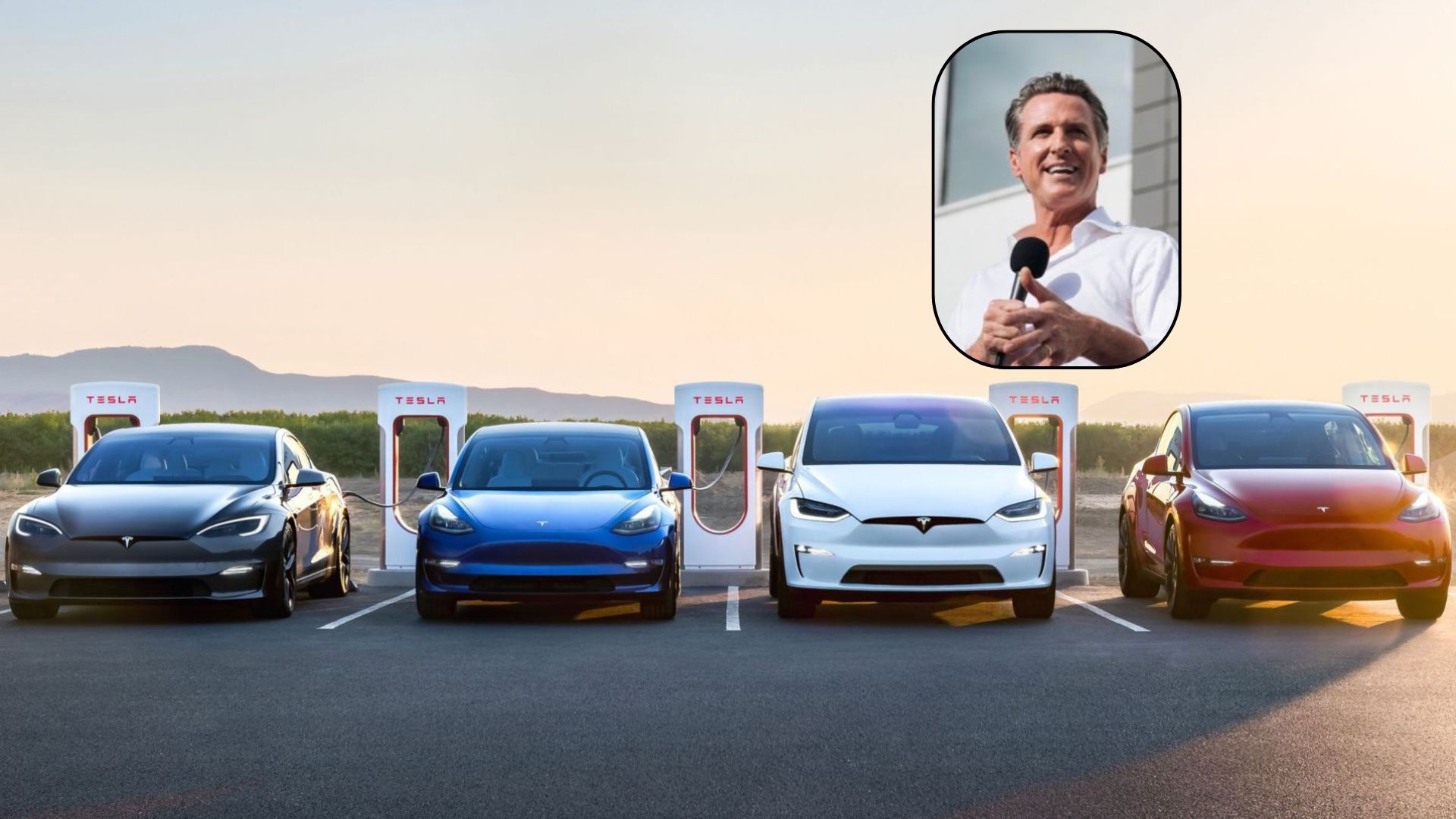
California Governor Gavin Newsom signed the California Combating Auto Retail Scams (CARS) Act this week, a sweeping new law aimed at strengthening consumer protections for car buyers across the state.
Thieves Target Push-to-Start Cars in Miami Township as Auto Thefts Rise
New Advertising and Sales Requirements
The law introduces stricter requirements for how dealers advertise and sell vehicles. It prohibits misrepresenting key facts about a vehicle’s sale, lease, or financing terms, and requires that advertisements and price quotes clearly display the total cost of the vehicle. Dealers will no longer be permitted to charge for add-ons that provide no tangible benefit to the buyer, and must clearly disclose that products like GAP insurance or service contracts are optional.
Changes to Add-On Payment Terms
The CARS Act also changes how buyers pay for optional add-ons, giving them 10 days to complete payment for any optional product or service, a significant shift from the previous requirement of full payment at the time of purchase.
Eighth Victim Confirmed in Fiery I-85 Crash That Killed Entire Georgia Family; Truck Driver Charged
A New Return Window for Used Cars
One of the law’s most notable provisions establishes a three-day return window for used vehicles priced under $50,000. Buyers can return a qualifying vehicle within that period if it remains undamaged and has fewer than 400 additional miles since purchase, a protection consumer advocacy groups have pushed for over several years.
Recordkeeping Requirements for Dealers
Beyond consumer-facing protections, the law requires dealerships to retain records related to advertisements, contracts, add-ons, and returns for at least two years, giving regulators additional tools to monitor compliance and investigate disputes.
Implementation Timeline
The CARS Act is set to take effect October 1, 2026, giving dealers time to update their sales systems and internal procedures ahead of enforcement.
Broader Industry Impact
Industry observers say the law could meaningfully reshape vehicle sales practices in California, one of the largest and most complex auto markets in the country, and may influence similar consumer protection efforts in other states.