
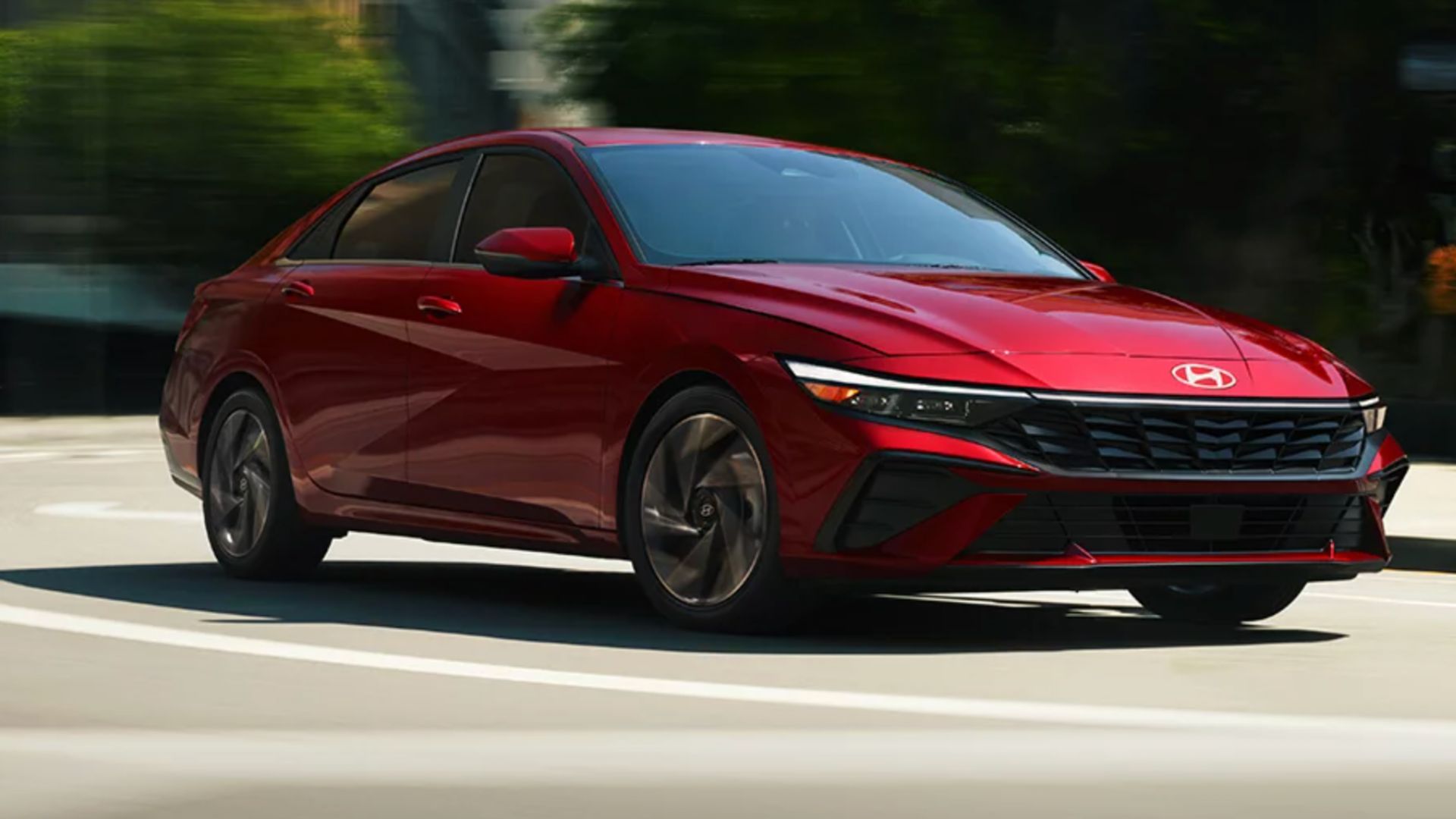
Hyundai’s Elantra has been named America’s most stolen vehicle for the first half of 2025, according to newly released National Insurance Crime Bureau data. The Elantra recorded 11,329 thefts, with corporate sibling the Hyundai Sonata close behind at 9,154.
Ford Recalls Nearly 625,000 Vehicles Over Seatbelt and Camera Malfunctions
A Decade-Long Security Gap
The root of the issue traces back roughly a decade. Between 2011 and 2021, Hyundai and Kia sold millions of vehicles without electronic immobilizers, a standard anti-theft feature that had become common across much of the industry. Without that technology, many of these vehicles could be started using little more than a basic tool, a vulnerability that eventually became widely known and exploited.
Volume Plays a Role Too
Beyond the security gap, sheer sales volume has contributed to the numbers. Both the Elantra and Sonata have sold in large quantities over the past decade, meaning there are simply more of them on the road for thieves to target compared to less common vehicles. This marks a departure from earlier eras when high-performance vehicles topped theft statistics.
How the Rest of the List Compares
Other frequently stolen vehicles include the Honda Accord, Chevrolet Silverado, and Ford F-150, though none approach the theft totals recorded for the affected Hyundai and Kia models.
What It Means for Owners
While overall vehicle theft numbers have declined somewhat nationally, owners of older Hyundai and Kia models without immobilizers may still face elevated theft risk and, in some cases, higher insurance premiums as a result. Vehicle owners concerned about theft risk can check with their dealer or insurer about available anti-theft upgrades or steering wheel lock devices as an added precaution.