
The auto industry spent NADA 2026 telling itself the same comforting story it’s repeated for years now: that the next wave of technology will fix problems it otherwise refuses to confront directly. This time, the buzzword of choice was artificial intelligence. If you listened to the stage presentations, press releases, and demo booths, you’d think AI was moments away from saving dealerships, automakers, and the entire retail car business in one sweep.
Dealers aren’t convinced, at least not yet.
AI Was Everywhere at This Year’s Show
At this year’s National Automobile Dealers Association show, AI was genuinely everywhere, promising smarter pricing, faster inventory movement, better customer targeting, and streamlined operations across the board. Companies like Cox Automotive pitched AI-powered tools as the next evolution of retail efficiency. The message from the stage was clear: adopt the technology or fall behind the competition.
But behind the demos and marketing language, a growing number of dealers see AI less as a genuine breakthrough and more as another distraction from deeper, unresolved problems sitting underneath the surface.
The Problems AI Can’t Actually Touch
Dealers are facing shrinking margins, rising floorplan costs, higher insurance rates, and buyers who simply aren’t showing up the way they used to a few years ago. None of those problems get solved by smarter algorithms alone. Yet the industry keeps acting as if software upgrades can substitute for actual consumer demand.
That’s really where the skepticism comes from. AI tools can optimize pricing all they want, but they can’t force consumers to buy vehicles they can’t afford or don’t trust in the first place. They can’t undo years of price inflation, bloated MSRPs, or the erosion of goodwill that followed pandemic-era markups. And they certainly can’t fix the growing gap between what automakers are building and what buyers actually want to purchase.
Automation Dressed Up as Transformation
What’s being sold as “AI transformation” often amounts to little more than automation of existing processes, faster ways to do the same things dealers were already doing manually beforehand. That may save some time day to day, but it doesn’t address the structural issues dragging down the industry as a whole. It just repackages the same problems with better graphics attached.
There’s also growing concern among dealers about where this push really leads long-term. Many quietly worry that AI tools marketed as “support” are actually laying the groundwork for more centralized control: pricing pressure, reduced autonomy, and less flexibility at the individual store level. The promise of efficiency often comes with strings attached that aren’t obvious in the initial pitch.
A Familiar Cycle Repeating Itself
The industry has been here before, more than once. Digital retailing platforms were once sold as revolutionary fixes for the same complaints. Subscription models were supposed to redefine vehicle ownership entirely. EVs were marketed as inevitable replacements for gas vehicles across the board. Each wave came with breathless hype, and each one eventually collided with reality on the ground.
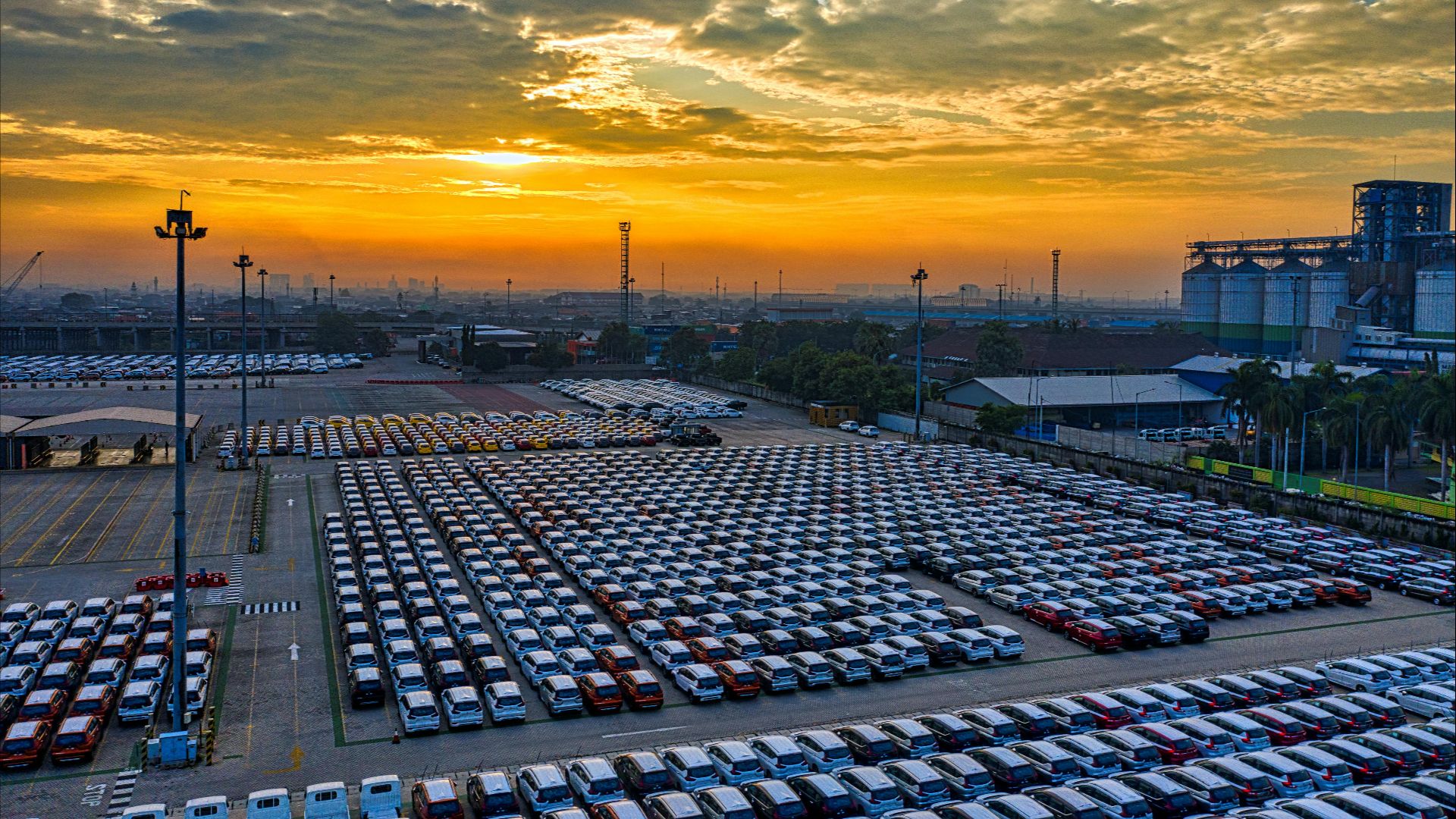
AI appears to be the next chapter in that same cycle. None of this means artificial intelligence has no place in auto retail. It does, in the right context. But pretending it’s a cure-all ignores the real reasons dealers are struggling right now. Until automakers actually address affordability, trust, and genuine demand, no amount of machine learning is going to move metal off the lot.
NADA 2026 didn’t prove that AI is ready to save the auto industry. It proved how badly the industry wants something, anything, to believe in right now. And that underlying desperation is starting to show through the polished presentations.