
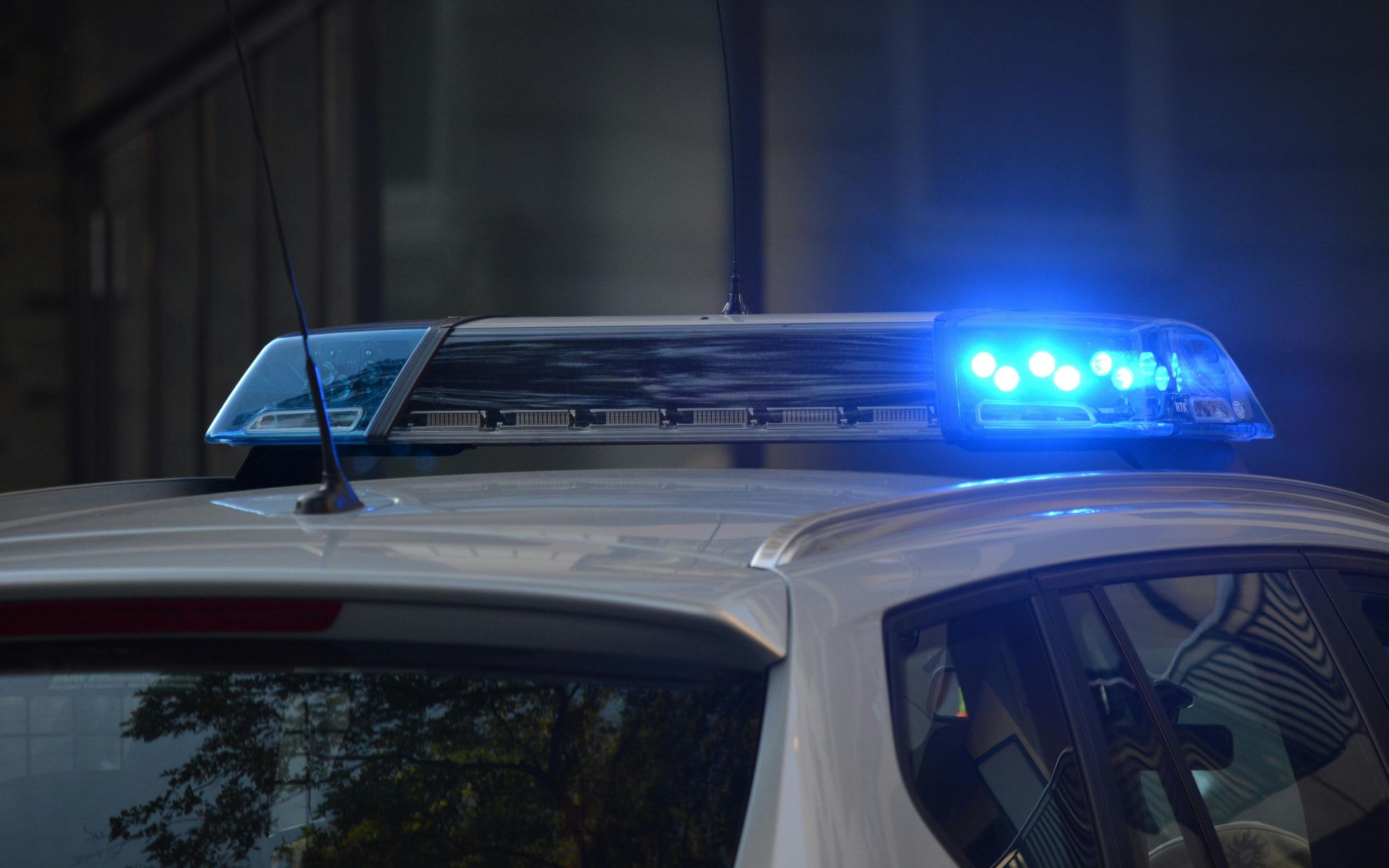
A 145-mph police chase tearing through multiple Texas counties didn’t end because of smart design, built-in safeguards, or responsible decision-making. It ended in fire, a ravine near the San Jacinto River, and a suspect hospitalized with a self-inflicted gunshot wound. This wasn’t an isolated incident. It was a fairly predictable outcome of an industry and system that still treats extreme speed as a feature rather than a threat.
A Chase That Crossed County Lines
The pursuit began in Harris County and crossed into Montgomery County during the early morning hours. The suspect, already wanted for a prior evading incident and known for repeatedly fleeing law enforcement, pushed speeds reportedly reaching 145 mph. Several agencies were forced into a dangerous game of catch-up as visual contact was lost and re-established repeatedly across county lines.
Speed That Doesn’t Happen by Accident
That kind of speed doesn’t happen by accident. It’s enabled by design. Modern vehicles are engineered, marketed, and sold with capabilities far beyond any public road’s safe limits, and manufacturers have known this for years. Yet the ability to hit extreme speeds remains fully intact, wrapped in performance branding and thin disclaimers that do nothing once a driver actually decides to run from police.
Tire Deflation Didn’t Stop It Either
Even after tire deflation devices were deployed, the suspect kept going. Tires shredded. The undercarriage caught fire. The vehicle became a rolling hazard to anyone nearby on the road. Still, it didn’t stop until it plunged into a ravine, burning.
Only then did the chaos actually end. Officers reached the wreckage, took the suspect into custody, and called for emergency medical help. The suspect survived and was hospitalized in serious condition. The vehicle didn’t survive at all, it was destroyed in the crash and fire.
A Massive Response to One Vehicle
Multiple agencies were involved in bringing the chase to an end, including local sheriff’s offices, constables, state troopers, and air support. That level of response underscores the scale of danger unleashed when a single vehicle is allowed to become a high-speed weapon on public roads.
This incident is being framed by some as a success of interagency coordination. It should probably be seen instead as a failure of prevention further upstream. Speed sells. Oversight lags behind. And the public keeps paying the price until destruction eventually forces some kind of action.