
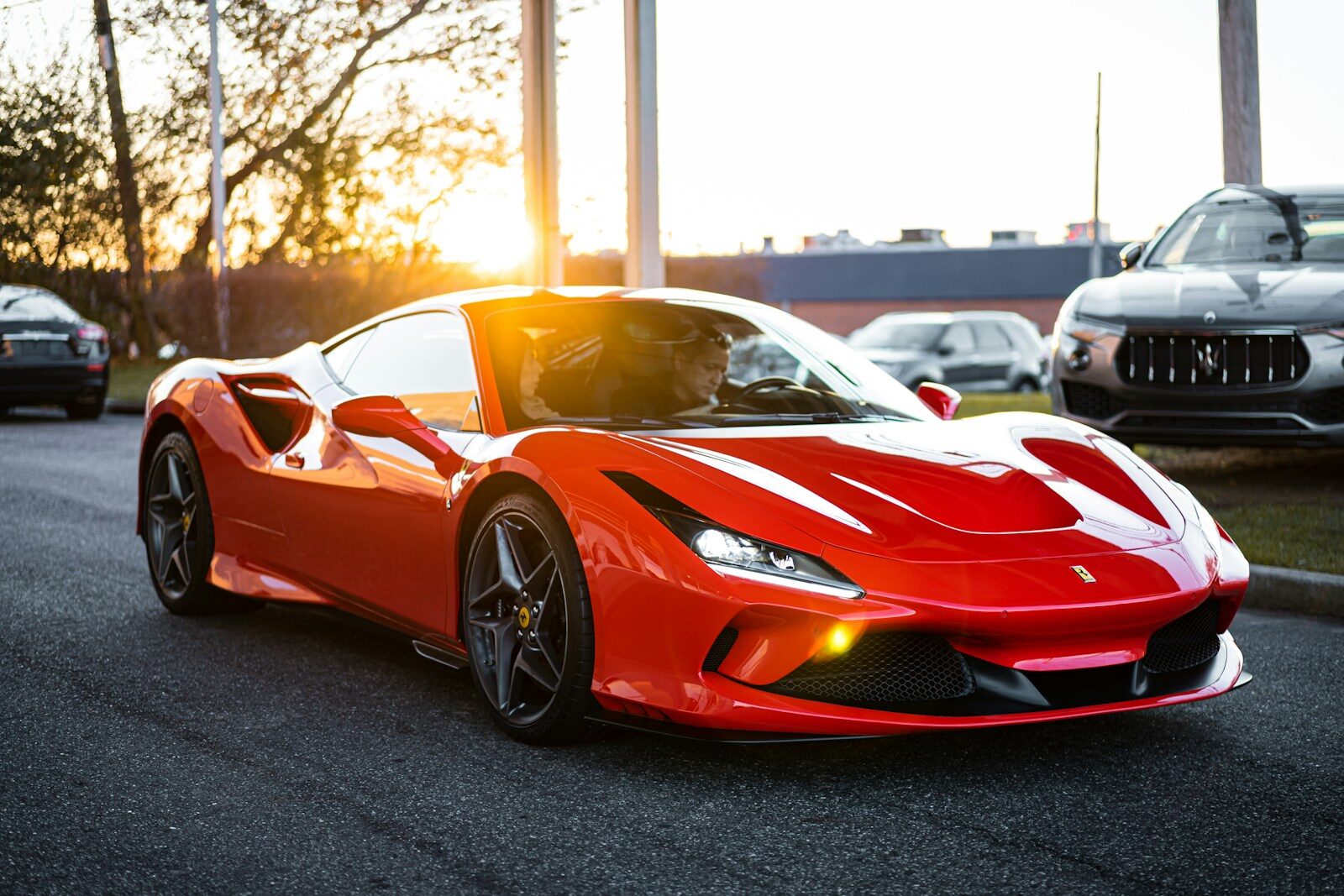
Ferrari will award record annual bonuses to thousands of its Italian employees after posting higher revenue and operating profit in 2025, even while delivering slightly fewer vehicles than the year before. The automaker shipped 13,640 cars to customers, 112 units short of its 2024 total. Despite that dip in volume, net revenues climbed 7 percent to €7.1 billion, while operating profit rose 12 percent to €2.1 billion.
Profit Over Volume Pays Off
That financial performance triggered what Ferrari calls a competitive annual award for its workforce in Italy. During the company’s fourth-quarter earnings call, CEO Benedetto Vigna confirmed eligible employees could receive up to €14,900, or nearly $18,000 at current exchange rates. Roughly 5,000 people work for Ferrari in Italy, meaning the bonus pool represents a substantial payout tied directly to the company’s strategy of prioritizing high-margin vehicles over chasing overall production volume, a strategy that keeps profitability climbing even when shipment totals dip slightly year over year.
A Packed Product Pipeline Through 2030
Ferrari’s outlook remains strong heading into the next few years. According to company leadership, production for 2026 is already fully allocated, and order books are nearly filled for 2027 as well. The automaker plans to introduce five new models this year, including its first fully electric vehicle, the Luce, and by the end of 2030, Ferrari expects to launch a total of 20 new models as it expands and refreshes its lineup.
Electrification Without Abandoning Combustion
While the Luce marks Ferrari’s entry into the fully electric segment, the company still expects combustion-powered vehicles to remain a significant part of its portfolio for years to come. By the end of the decade, Ferrari projects that 40 percent of its lineup will be pure internal combustion engine models, another 40 percent will be hybrids, and 20 percent will be fully electric. Company leadership says development of its V6, V8, and V12 engines will continue, with efforts focused on squeezing out more performance while still meeting emissions standards, and executives have suggested future engines could exceed current output benchmarks, including the F80’s 296 horsepower per liter from its V6.
Ferrari hasn’t indicated any changes to its production strategy, and its order pipeline through 2027 remains largely secured regardless of broader industry volatility.