
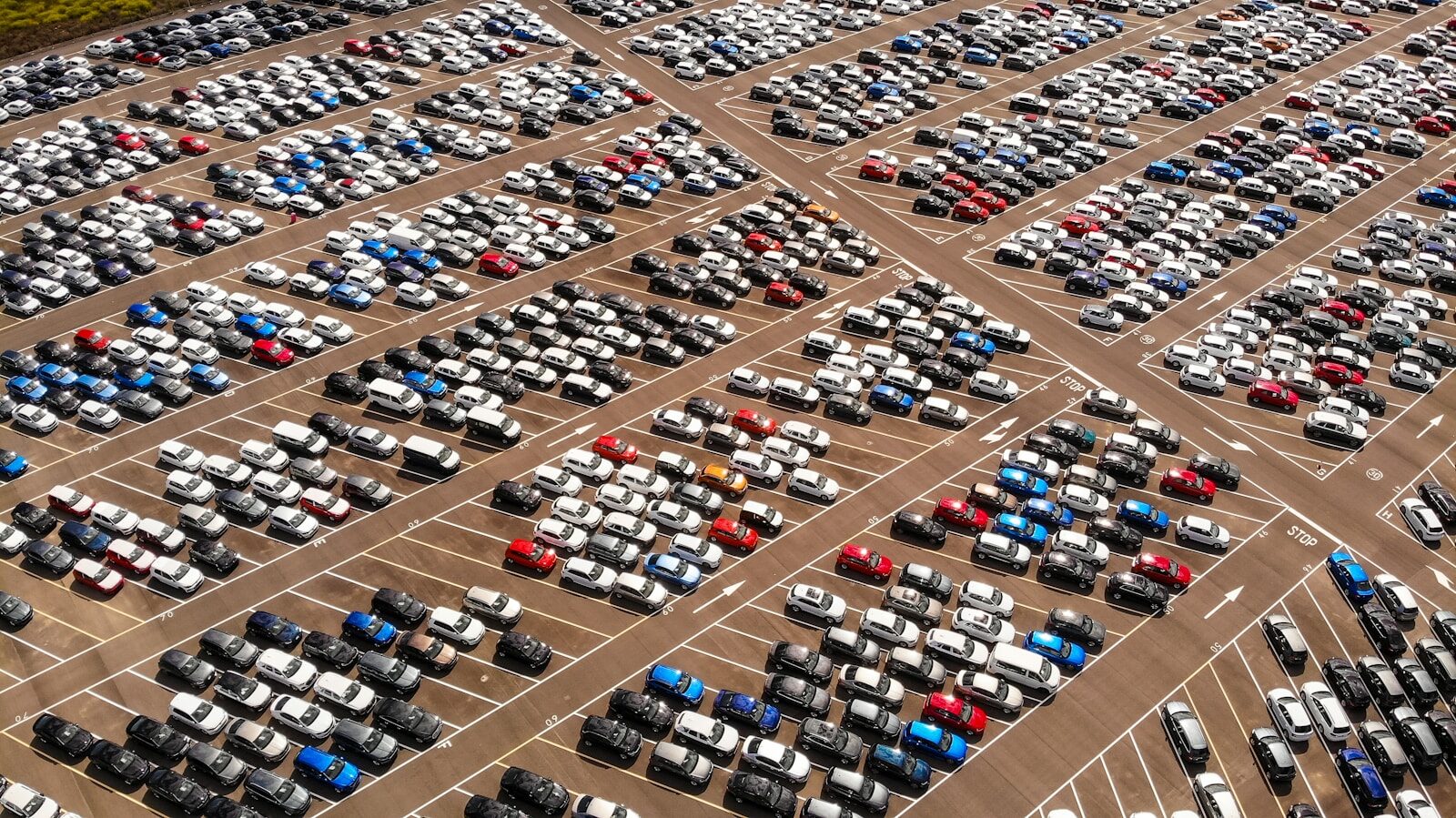
The American auto market just posted its eighth consecutive monthly decline, and the numbers are starting to look less like a slowdown and more like an industry-wide warning sign. April 2026 new vehicle sales fell 7.1 percent year over year to a seasonally adjusted annual rate of 15.9 million units as buyers continued pulling back under pressure from high interest rates, rising fuel costs, and ongoing tariff-related price increases. At the same time, electric vehicle sales collapsed 35.5 percent year to date, dragging EV market share down to just 5.1 percent.
More Stories Like This
- Teen Shot at Massachusetts Car Meet as Burning Stolen Car Full of Bullet Holes Sends Crowd Running
- Hellcat Murder Case Takes Dramatic Turn After Suspect Rejects Plea Deal in Deadly AirTag Tracking Confrontation
That’s a brutal drop for a segment automakers and regulators spent years insisting was the inevitable future of the industry.
Meanwhile, hybrids are quietly becoming one of the few bright spots in the market. Hybrid sales climbed 9.2 percent and now account for 14.5 percent of all new vehicle sales. That shift says a lot about what buyers actually want right now, especially when monthly payments, charging concerns, and fuel prices are all hitting at once.
And that’s where this story gets interesting.
For years, the automotive industry pushed aggressively toward electrification while telling drivers the transition was already underway whether they liked it or not. Automakers poured billions into EV platforms, governments pushed incentives and regulations, and some brands openly signaled that gasoline performance cars were living on borrowed time.
Now the market is sending a very different message.
Buyers are still walking into dealerships looking for practical transportation, but many are clearly hesitating before committing to expensive fully electric vehicles. Hybrids, on the other hand, are gaining ground because they offer something closer to a middle path. Drivers can save fuel without completely changing how they use their vehicles.
That detail matters.
The broader sales decline is not happening in isolation. Consumers are getting hammered from multiple directions at once. Interest rates remain elevated, making monthly payments painful even for mainstream vehicles. Rising gas prices are squeezing household budgets further. Tariffs continue creating pricing pressure across the industry, adding costs that eventually land on buyers.
The result is a market where many people simply cannot justify replacing their current vehicles unless absolutely necessary.
This is where the story turns for enthusiasts and performance buyers.
The modern car market already became expensive before these latest declines. High horsepower cars, trucks, and SUVs have seen prices climb dramatically over the last several years. Financing costs only made the situation worse. A vehicle that looked barely manageable at lower rates suddenly becomes financially out of reach once interest costs explode.
That creates a dangerous situation for automakers that built business strategies around expensive products and aggressive production targets.
And it helps explain why hybrid vehicles are suddenly outperforming fully electric models in the real world.
Most buyers are not anti-technology. They are anti-headache and anti-overpayment. A hybrid still works like a normal car. Drivers can fuel up anywhere, take road trips without planning charging stops, and avoid range anxiety while still improving fuel economy.
Fully electric vehicles continue struggling with a different reality. Consumers are weighing charging infrastructure, battery concerns, insurance costs, and resale uncertainty at the exact same time affordability is getting worse across the entire economy.
Here’s the part that matters most for the industry.
A 35.5 percent collapse in EV sales year to date is not a small market correction. That is a major warning sign, especially after years of nonstop momentum and marketing hype surrounding electric vehicles. Market share falling to 5.1 percent suggests the average buyer is stepping back instead of charging ahead into full electrification.
That creates pressure on everybody.
Automakers now face the possibility of sitting on expensive EV investments while demand weakens. Dealers risk getting trapped between corporate sales expectations and customers who simply are not buying at previous levels. Drivers get caught in the middle while prices remain stubbornly high across nearly every segment.
And that’s where it gets complicated.
The industry cannot easily reverse course after committing so heavily to EV development. Manufacturing plans, supply chains, regulatory strategies, and factory investments were all built around the expectation that electric demand would continue climbing rapidly.
But the consumer side of the equation is suddenly looking very different.
Hybrid growth shows buyers still care about fuel economy and efficiency. This is not a return to giant V8 sedans dominating sales overnight. Instead, it looks more like a rejection of extremes. Drivers appear to want flexibility, lower operating costs, and fewer compromises.
That leaves automakers in a difficult position moving forward.
Related Incidents
- Classic Car Buyers Lose Thousands After Scammers Hijack Real Auto Shops in Multi-State Fraud Scheme
- Stellantis’ Stunning Comeback: Hemi V8 Demand Helps Reverse $26 Billion Collapse as Massive Cost Cuts Begin
- The Real Story Behind a 1966 Mustang Running Tesla Full Self-Driving and Why It’s Exposing a Major Industry Standoff
Companies that abandoned hybrid development too quickly may now find themselves scrambling to respond while brands with strong hybrid lineups suddenly gain an advantage. Meanwhile, traditional gasoline vehicles still represent the overwhelming majority of sales despite years of predictions about their imminent decline.
For enthusiasts, this entire situation feels familiar.
Drivers have spent years hearing that the market was rapidly evolving beyond internal combustion, beyond traditional performance cars, and beyond enthusiast priorities altogether. Yet when economic pressure hits real households, buyers often return to what feels dependable, practical, and financially manageable.
This sales decline also exposes another uncomfortable truth about the modern automotive business. A lot of recent growth depended on consumers accepting increasingly expensive vehicles under increasingly difficult financing terms. That formula works until buyers finally hit a wall.
Eight straight months of declining sales suggest that wall may already be here.
The auto industry still has massive resources, enormous manufacturing power, and deep consumer demand overall. People still need vehicles. But the current numbers suggest buyers are becoming far more cautious about what kind of vehicles they are willing to gamble on and how much debt they are willing to absorb to get them.
And right now, the biggest loser in that shift appears to be the fully electric market that was supposed to dominate the future.
Continue Reading: The Real Story Behind the $70K Honda S2000 With 835 Miles and Why This Auction Is Shaking the Collector Car Market