
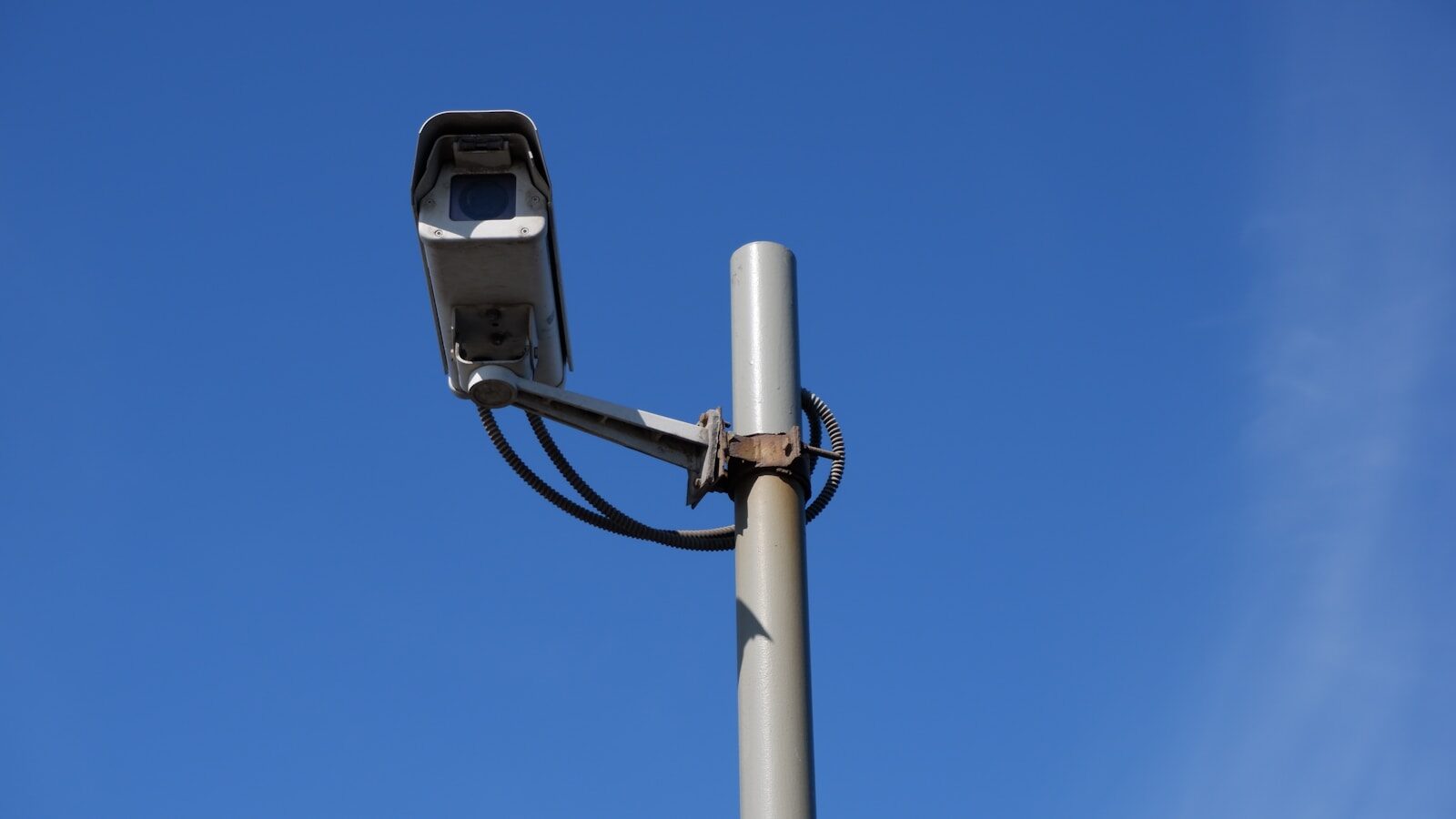
A legal battle unfolding in Colorado could have major implications for how police departments use vehicle surveillance technology, and it is putting one city’s camera network directly under the spotlight.
More Stories Like This
- Teen Shot at Massachusetts Car Meet as Burning Stolen Car Full of Bullet Holes Sends Crowd Running
- Hellcat Murder Case Takes Dramatic Turn After Suspect Rejects Plea Deal in Deadly AirTag Tracking Confrontation
- Driver Tried to Hide Expired Tags With Blue Duct Tape and a Marker — What Happened Next Got the Car Impounded
- 10 Used V8 Cars Getting Shockingly Affordable Right Now
- Ferrari’s $640,000 EV Gamble Just Changed the Supercar Fight Forever
A first-of-its-kind lawsuit filed in Colorado accuses the Boulder Police Department of conducting illegal mass surveillance through a network of Flock Safety license plate reader cameras installed throughout the city. The class-action case alleges that Boulder police deployed dozens of cameras capable of tracking vehicles while failing to establish privacy protections designed to prevent abuse.
At the center of the dispute is Boulder Police Chief Stephen Redfearn and a citywide system of 31 license plate reader cameras. According to the lawsuit, the department created a surveillance network that monitors drivers without the constitutional protections required under Colorado law.
For drivers, privacy advocates, and law enforcement agencies across the state, the outcome could carry significant consequences.
A Challenge to Boulder’s Camera Network
License plate reader technology has become increasingly common across the United States. The cameras automatically capture license plate information and can create a record of where vehicles have traveled. Supporters argue the systems help investigators locate stolen vehicles, identify suspects, and solve crimes more efficiently.
This lawsuit takes direct aim at how that technology is being used in Boulder.
According to the class-action complaint, the Boulder Police Department installed 31 Flock Safety cameras throughout the city. The lawsuit alleges those cameras were deployed without privacy safeguards that would limit how information is collected, stored, or used.
That detail matters because the lawsuit is not focused solely on the existence of the cameras. The challenge centers on whether the city established adequate protections before creating a network capable of monitoring large numbers of drivers.
Allegations of Warrantless Surveillance
The core legal claim goes even further.
According to the lawsuit, the camera system enables police to surveil people without obtaining a warrant or establishing probable cause. The plaintiffs argue that such practices violate protections guaranteed under Colorado’s constitution.
That accusation dramatically raises the stakes of the case.
This is not simply a disagreement over technology policy or data management. The lawsuit alleges that the surveillance itself is unlawful because it allows authorities to monitor individuals without meeting constitutional standards designed to protect privacy.
For many drivers, that distinction is critical. The case is asking whether law enforcement can collect and maintain information about vehicle movements on a broad scale without first demonstrating a specific legal justification.
Why This Case Stands Out
The lawsuit is being described as the first of its kind in Colorado.
Related Incidents
Classic Car Buyers Lose Thousands After Scammers Hijack Real Auto Shops in Multi-State Fraud Scheme
That alone makes it noteworthy. Challenges involving police surveillance technology have emerged in other parts of the country, but this case appears to be breaking new ground within the state.
Because it has been filed as a class-action lawsuit, the challenge extends beyond any single individual. The plaintiffs are effectively arguing that the surveillance system affects a broader group of people whose vehicles may have been recorded by the network.
That approach increases the potential impact of the litigation and places additional attention on how the technology is being used.
The Bigger Issue for Drivers
The fight over license plate readers often comes down to a difficult balancing act.
Police departments frequently view automated camera systems as valuable investigative tools. The technology can collect information quickly and operate continuously without requiring officers to be physically present.
Critics, however, argue that widespread camera networks create new privacy concerns when safeguards are limited or nonexistent.
That is where this lawsuit focuses its attention.
The plaintiffs are not alleging that a single vehicle was improperly tracked during a specific investigation. Instead, they contend that the system itself creates unconstitutional surveillance because it operates without the legal protections they believe Colorado law requires.
For everyday drivers, the case touches on a question that continues to emerge as technology becomes more sophisticated: how much information about vehicle movements should government agencies be permitted to collect and store?
A Legal Fight With Broader Consequences
The outcome of this lawsuit could reach far beyond Boulder.
If the claims succeed, the case could force a closer examination of how license plate reader systems are deployed throughout Colorado. Law enforcement agencies that rely on similar technology may find themselves facing new scrutiny regarding privacy policies and operational safeguards.
If the city successfully defends its use of the cameras, supporters of automated surveillance systems could point to the outcome as validation of existing practices.
Either way, the legal battle is likely to attract attention from police departments, civil liberties advocates, and drivers who are increasingly encountering automated monitoring technologies in everyday life.
What Happens Next
The lawsuit has placed Boulder’s camera network under intense legal scrutiny and opened a debate that extends far beyond one city.
At its heart, the case is about more than 31 cameras. It is about where the line should be drawn between public safety tools and constitutional privacy protections. That question becomes more difficult as surveillance technology becomes more powerful and more widespread.
For now, Boulder’s use of Flock Safety cameras is facing a challenge that could become a landmark legal test in Colorado. As the case moves forward, the courts will be asked to decide whether the city’s surveillance practices crossed a constitutional line, and what that means for every driver whose vehicle may have passed through the network.