
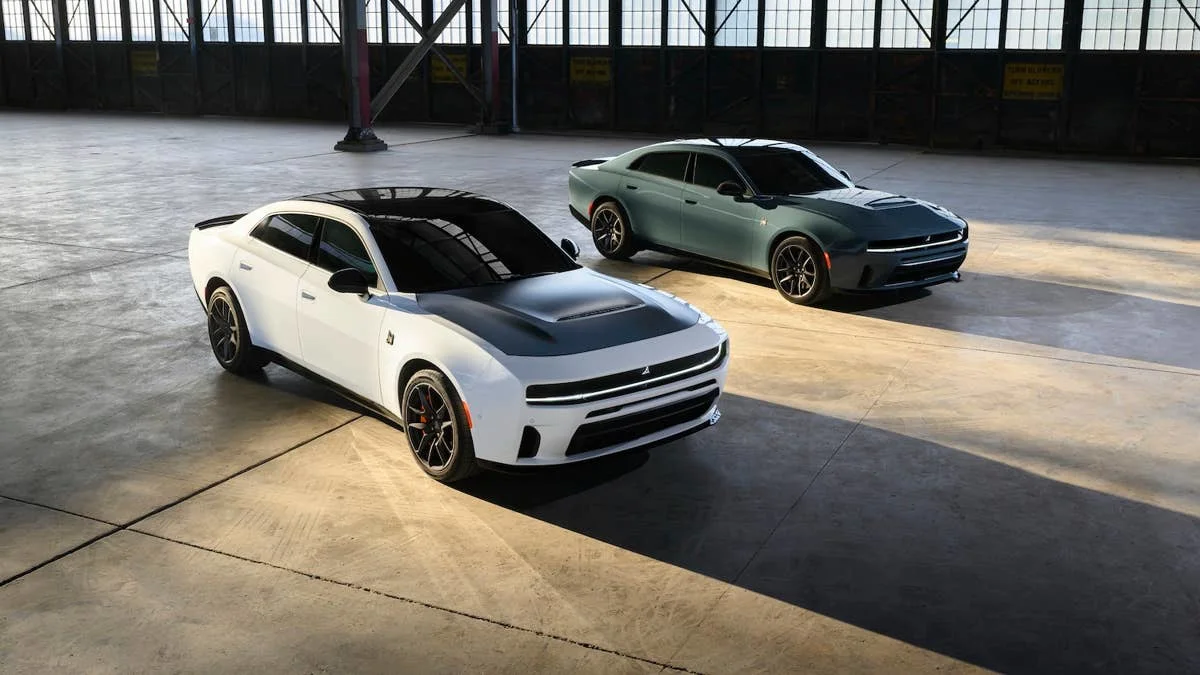
Dodge is packing up the new Charger and shipping it to Europe, and the timing is what makes the move so strange. This is the same car that just posted some of the ugliest sales numbers in the brand’s recent history at home. So while the announcement reads like a victory lap for an iconic American nameplate going global, the numbers back in the States tell a much darker story. Dodge is leaning hard into a comeback overseas at the exact moment its muscle car is struggling to move off lots in its own backyard.
That contrast is the part of this that deserves a closer look.
10 Car Accessories You’ll Actually Use
Dodge Tried Europe Before, and It Didn’t Stick
Dodge made a push into Europe back in the mid 2000s, and that effort fell apart by the early 2010s. Dodge has not been officially on sale in Europe since 2011, with parent company Stellantis choosing to let its established European brands carry the mass-market load instead. The American badge simply got crowded out.
It never fully vanished, though. After the 2011 pullout, Dodge stuck around through grey-market imports that the brand sort of stood behind. There was real appetite for V8 versions of the Durango, Charger, and Challenger, enough to build a small but loyal following over the years. That quiet base of demand is part of what Stellantis is now trying to build on with a fresh push.
What Dodge Is Actually Announcing
The all-new Charger and the Daytona EV are set to make their European debut soon, and the approach looks aggressive on paper. Announced on June 8, Dodge said it will bring the entire lineup to the European market. That means gas-powered and electric models, in both two-door and four-door body styles, timed to the nameplate’s 60th anniversary.
Here is the part that matters. For all the big talk, the actual plan is modest and careful. The cars will keep coming through the official importer, KW Automotive, the same outfit that has been bringing in and Europeanizing Dodge models since the 2011 exit. A separate group called Iron Parts will handle spare parts for the operation. This is not Dodge building dealerships across the continent. It’s a controlled, importer-led return that leans on partners already doing the work.
Dodge has not even said when the Charger will actually start arriving. The brand seems more interested in hyping the car’s heritage than nailing down a date. Fabio Catone, who heads the Dodge brand in Europe, framed the return as a major moment, calling the Charger an unmistakable American nameplate built for buyers who value character and authenticity. The pitch is all about standing apart, which sounds great until you look at how the car is doing where it was born.
The Numbers That Undercut the Hype
This is where the story turns. Muscle cars are still wanted in the United States, but the new Charger has not connected with American buyers the way the old ones did. In 2025, Dodge sold just 7,421 of them. That is a rough figure for a nameplate with this much history and marketing muscle behind it.
The weak domestic sales, it raises real questions about whether the product, the pricing, or the shift toward electrification is landing with the people who used to buy these things without thinking twice.
So the European announcement starts to look less like confident expansion and more like a search for somewhere, anywhere, to put inventory that is not selling at home. Moving units and stock overseas could help, but it’s fair to wonder if this is strategy or survival.
Why Europe May Not Be the Lifeline Dodge Wants
There is another problem waiting across the Atlantic. Europe has never warmed to the American muscle car the way Dodge might hope. The roads are smaller, fuel is pricier, and the market wants different things than American buyers do.
That existing grey-market following proves there is some interest, but a small cult audience is not the same as a sustainable sales base. Dodge is betting that character and authenticity will carry a car that its home market is currently ignoring, into a region that has historically been lukewarm on the entire concept. That is a steep ask.
The real test is simple. If American buyers are walking away from the Charger by the thousands, Dodge has to prove that European buyers will do the opposite. Otherwise this is not a comeback at all. It’s just a longer road to the same problem, and the brand will have spent its 60th-anniversary moment chasing customers in a market that was never an easy home to begin with.
Images Via Dodge