
Here’s a question nobody wants to be the test case for: how fast does a stolen Jeep need to be going, and through how much traffic, before deploying spike strips on an interstate becomes a worse idea than just letting the thing run? A West Virginia family says they already know the answer, and they’re taking it to federal court.
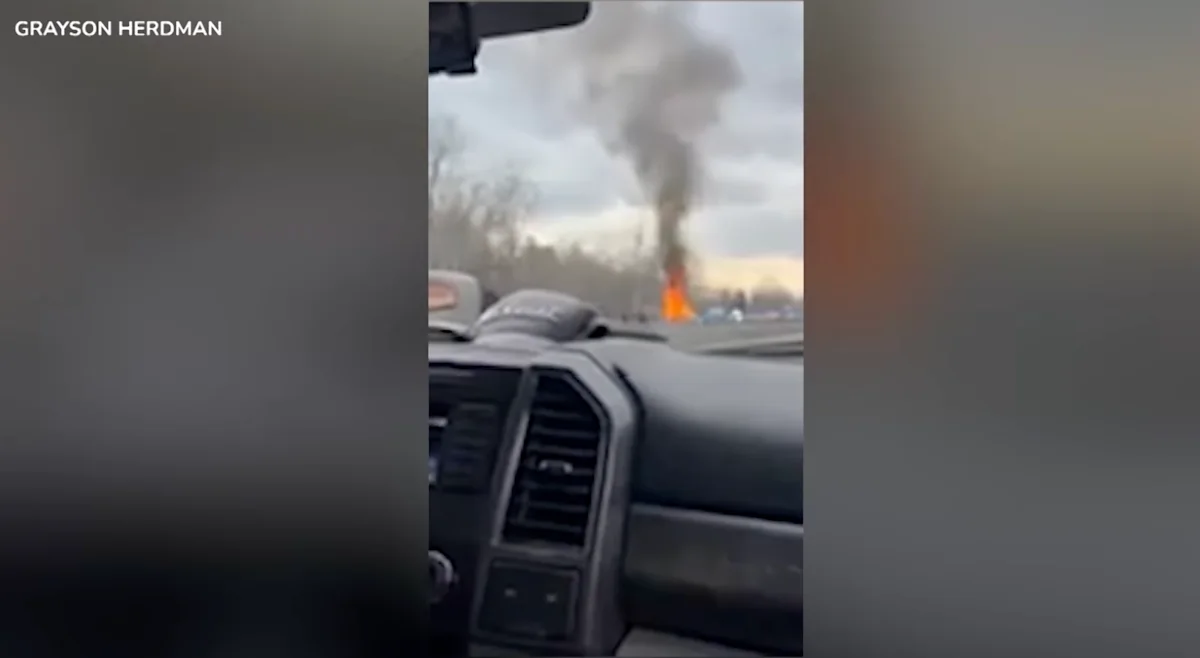
The short version: on March 5, 22-year-old Joseph Ryan Elswick allegedly swiped his grandmother’s Jeep and her purse, then led Putnam County deputies and Hurricane police on a chase that wound across two counties before spilling onto Interstate 64. Officers laid spike strips near an on-ramp. According to the lawsuit and the criminal charges, the Jeep hit the strips, lost control, and plowed into the back of a car driven by 52-year-old Angela Marie Born. Her vehicle crossed multiple lanes, came to rest in the median, and caught fire. She died at the scene. She had nothing to do with any of it.
10 Automotive Gadgets Worth Checking Out
Who Angela Born Was
Born wasn’t a statistic to the people who knew her. She ran Country Road House and Berries, a strawberry farm in Clendenin, and she was a mother of six. On the day she was killed, she was reportedly just driving home.
In April, her family sued in federal court, naming the Putnam County Commission, the City of Hurricane, Deputy C. Ford, and other unnamed officers. The core argument, according to the complaint, is brutally simple: police knew exactly who Elswick was, he’d allegedly robbed his own grandmother, so they could have picked him up later instead of chasing him onto a packed highway and rolling out spike strips without stopping traffic first. The family’s attorneys, Jesse Forbes and Dante diTrapano, call it a foreseeable disaster.
Why Spike Strips on a Packed Interstate Are the Real Question
Spike strips work by shredding tires, and a vehicle that loses its tires at highway speed doesn’t gently coast to the shoulder, it becomes a multi-thousand-pound projectile with almost no steering or braking left. Drop that into moving traffic and the danger doesn’t disappear, it just gets redistributed onto whoever happens to be nearby. In this case, that was a mom on her way home from work.
The City Wants Part of the Case Thrown Out
The City of Hurricane, for its part, would like the court to make a chunk of this go away. In late May it filed a motion to dismiss or narrow four of the lawsuit’s nine counts, arguing the constitutional claim is too vague, that state law shields the city from claims over police training and supervision, and that one count crams too many legal theories into a single basket. No ruling yet. The family’s lawyers say the counts are exactly as appropriate and necessary as they look.
Law enforcement has defended the call, saying Elswick was driving erratically and might have been armed, which is the justification for trying to spike the Jeep before it hurt someone else.
Elswick is facing multiple felonies, including aggravated vehicular homicide and fleeing from law enforcement causing death. But the lawsuit is asking a bigger question than what one driver did: it’s asking whether the people who decided how to stop him share the blame for how it ended. The court hasn’t answered yet.