
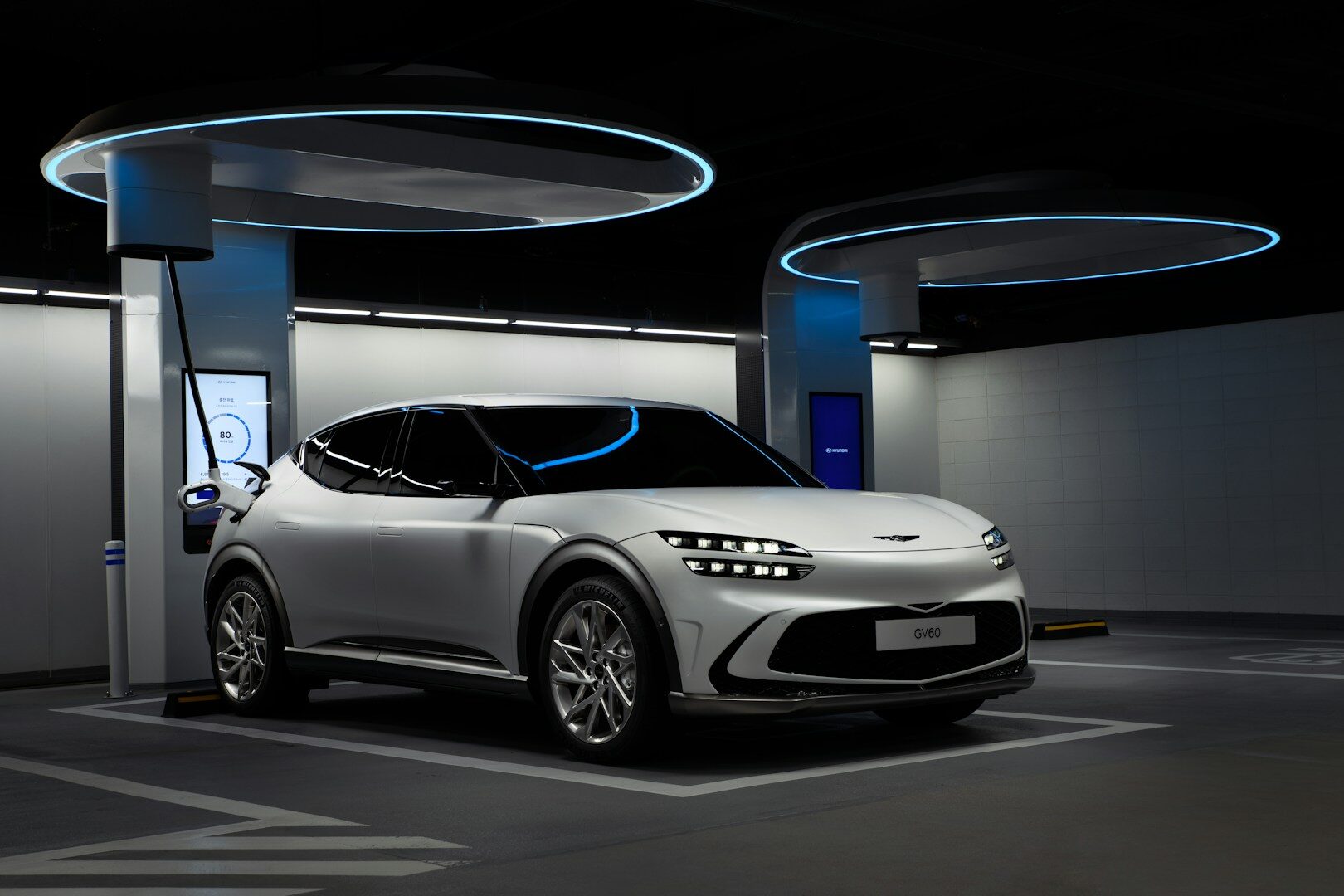
For years, electric vehicles benefited from tax breaks, incentives, and regulatory support designed to speed up adoption. Now a new reality is emerging on both sides of the Pacific: governments still want EVs on the road, but they’re realizing those vehicles create a growing infrastructure problem that somebody has to pay for.
The issue isn’t emissions, charging networks, or battery production. It’s weight.
Modern EVs have gotten significantly heavier as automakers chase longer range and consumers keep gravitating toward larger crossovers and SUVs. Bigger battery packs mean more mass, and bigger vehicles mean even more mass on top of that. The result is a new generation of passenger vehicles that often weigh far more than comparable gas-powered models.
Governments Are Looking for Revenue
Road maintenance has traditionally been funded through fuel taxes — drivers buying gasoline or diesel contributed money that helped pay for highway construction and repairs. That system gets complicated fast once a growing share of vehicles no longer burn fuel at all. As combustion vehicle sales decline, governments are finding themselves with shrinking revenue streams, and the problem is most visible in markets where EV adoption is moving fastest.
China is already living this problem: combustion vehicle sales there have dropped 31 percent, and fuel tax revenue that historically funded infrastructure is declining right along with it. Government officials and industry groups are now pushing for a digital, mileage-based taxation system that would factor in vehicle weight — which is where the debate gets more complicated.
The Weight Factor Changes Everything
This isn’t only about replacing lost fuel tax revenue anymore — vehicle weight itself has become central to the conversation. Heavier vehicles put more stress on road surfaces than lighter ones, and as battery-electric models keep gaining weight, policymakers are looking harder at whether mass should factor directly into infrastructure costs.
For years, EVs were viewed almost entirely through the lens of emissions and energy consumption. Roads and bridges wear down through ordinary use and repair regardless of what powers the vehicles driving across them, and that reality is now pushing its way into the policy conversation.
What This Means for Drivers
The bigger question is whether transportation funding systems built around fuel consumption can survive in a market where more vehicles no longer need gasoline at all. Governments increasingly seem convinced the answer is no, which means new funding mechanisms are likely to become a bigger part of automotive policy going forward.
EV owners may soon face additional annual fees, mileage-based charges, or weight-based assessments, with the exact approach varying by jurisdiction. The policymakers’ argument is straightforward: heavier vehicles create infrastructure costs, and shrinking fuel tax revenue leaves fewer ways to cover them.
Whether drivers like it or not, the debate is no longer just about getting people into EVs — it’s becoming a fight over who pays for the roads underneath them. As battery packs grow bigger and vehicle weights keep climbing, governments seem far less interested in offering a free ride and far more interested in collecting the bill.