
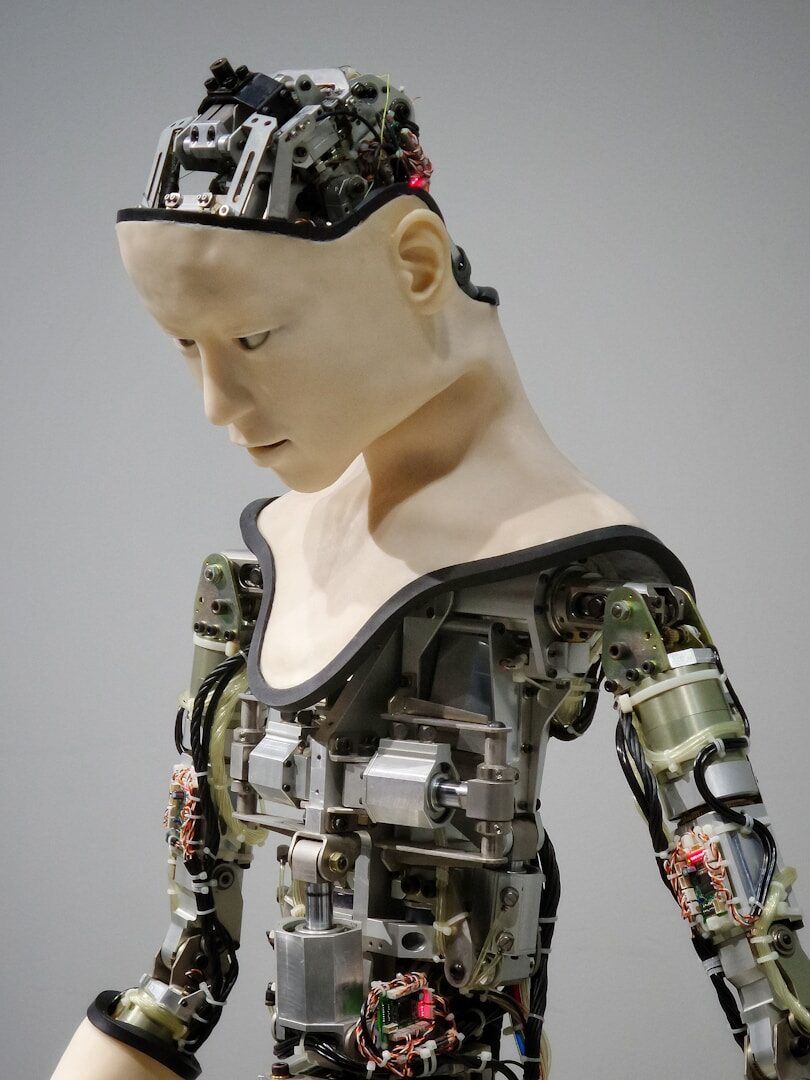
General Motors just sidelined more than 1,000 workers at its flagship Detroit assembly plant and brought in 50 robots to help fill the gap, and the people who build its cars are not staying quiet about it. The move comes as the company pulls back hard on its electric vehicle plans, and it has lit a fire under the unions representing the workers left behind. For anyone who still believes building cars is fundamentally a human job, this is the kind of story that hits a nerve.
Robots on the Line, Workers on the Street
The machines in question are called collaborative robots, or cobots, and they’ve been installed on the line at GM’s Factory Zero plant in Michigan. Inside the plant, they now work alongside the remaining employees who attach body panels to vehicles as they roll down the track. They showed up as demand for the company’s EV models dropped sharply and GM leaned into cutting costs wherever it could. The timing isn’t subtle, and neither is the message the union is taking from it.
GM’s Version: Temporary, and About Safety
GM is adamant the machines aren’t there to replace people. The company frames them as a necessary step at the Detroit-Hamtramck electric-truck operation to stay competitive while improving safety and ergonomics for the workers still on the job. Company spokesman Kevin Kelly said GM has been rolling cobots out across its manufacturing operations as part of a larger effort to bring more advanced technology into the plants. He described the Factory Zero installation as something happening alongside the team rather than in place of it, and said the workers who were let go are only temporarily laid off — though he did not say when any of them might actually be called back.
The Union’s Version: Cost-Cutting, Full Stop
Here is where the story turns. United Auto Workers Local 22 president James Cotton flatly rejected the company’s framing, calling the cobots a cost-cutting measure that is pulling jobs straight out of the hands of his members. He said the union’s manpower is being stripped away, and that from top to bottom his people are disgusted to see these machines on the floor of their plant.
Cotton also pushed back on the safety pitch. Despite GM’s claim that the technology makes conditions better, he said he has real concerns about robots operating right next to humans, and the union has already filed grievances against the company over the cobots. That detail matters, because it means this isn’t just frustration venting into a microphone. It’s becoming a formal fight.
The Number That Undercuts the “Temporary” Story
This is the part that turns frustration into outrage. In the first quarter of 2026, GM reported $4.25 billion in profits, a jump of 22% over the same stretch a year earlier. So while the company tells workers the layoffs are temporary and the robots are about safety, it’s also posting numbers that look anything but distressed.
The bigger backdrop is automation that has been quietly reshaping car plants for decades. The number of labor hours needed to build a single vehicle has fallen somewhere between 50% and 70% since the 1980s. Even with that steady squeeze, UAW pay has kept climbing, including the historic wage gains the union landed in 2023, and the union is widely expected to push for stronger protections when it heads into 2028 contract talks.
A Fight Bigger Than One Plant
UAW president Shawn Fain has framed the automation push in stark terms, saying workers are in a fight for humanity itself. His argument is that the output of their labor has multiplied like never before, yet the people doing the work are not seeing the rewards. He warned that if AI keeps getting used as a tool to take from workers, it has to be stopped, because in a fair system the people creating more value should be the ones sharing in it.
What’s Left to Bargain For
The cobots landed at an awkward moment for GM, which has been getting battered by cooling EV demand driven largely by cost, and which has paused production at Factory Zero more than once over the past year. That’s the tension sitting at the center of all this. A company struggling to sell electric vehicles is spending on robots and shedding workers while booking billions in profit, and it’s asking the people on the line to trust that the layoffs are only for now. The question worth sitting with is simple: when a manufacturer makes record money and still decides the humans are the expense it can afford to cut, what exactly is left for the next generation of autoworkers to bargain for?